
Insights from Archaeological Discoveries
Archaeological findings offer fascinating glimpses into the daily lives of past cultures, revealing how individuals lived, worked, and spent their leisure time. Recently, a seemingly unremarkable stone relic unearthed from a bathing complex in North Africa has garnered significant attention within the field of archaeology. Researchers have discovered an engraved stone piece featuring game markings in the historic settlement of Walīla, which sheds light on leisure culture during the early Islamic period.
The information regarding this remarkable object comes from a report by Archaeology News, referencing a recent study that draws upon current excavation results. By synthesizing analyses from various experts, the archaeological find has been dated to between the 8th and 10th centuries. The centerpiece of this discovery is a public hammam, which was part of a larger urban structure, indicating that this facility was utilized by people for several centuries before being abandoned. The archaeological context of this find is particularly significant, as many similar artifacts have been unearthed without clear usage periods, making their placement in history challenging.
Revealing the Past with Game Markings
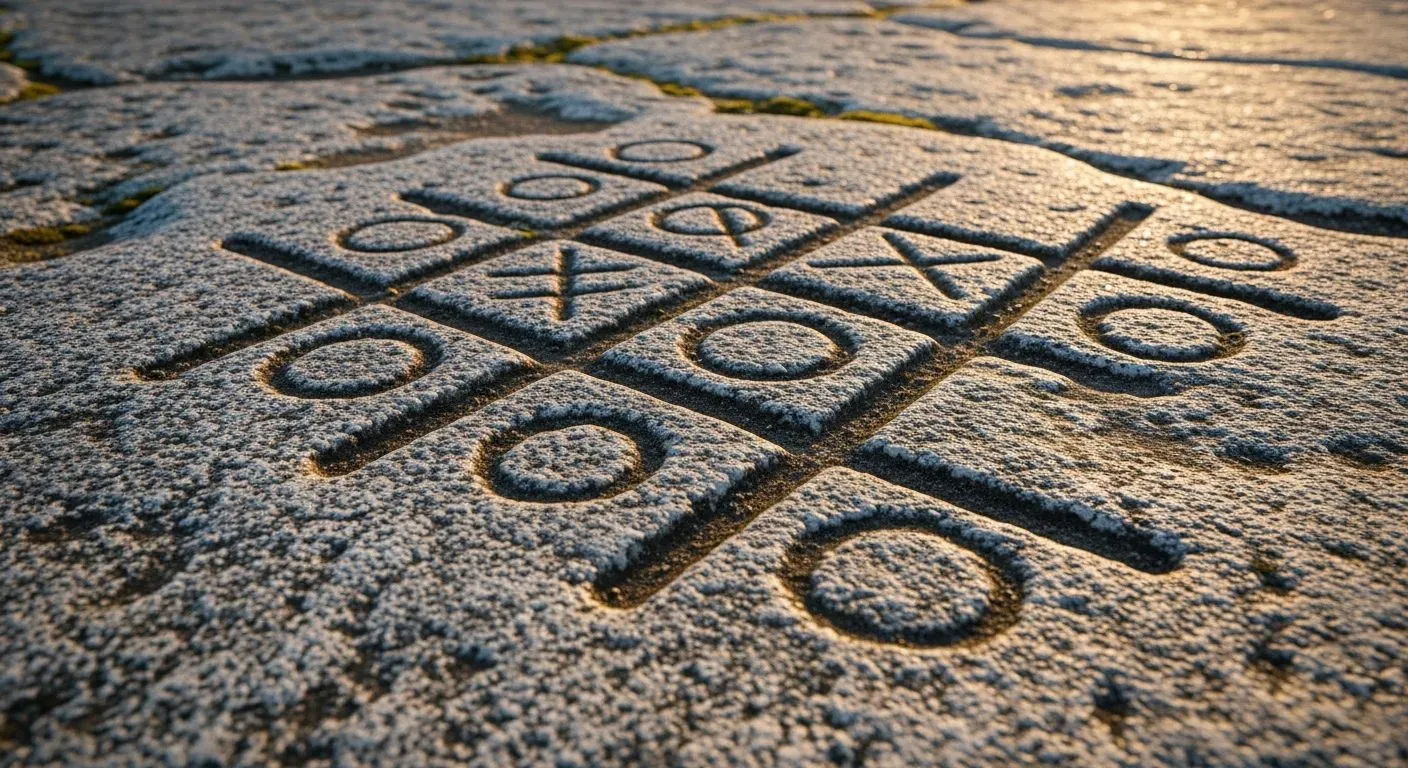
The stone object itself features a series of meticulously carved depressions integrated into a seating step of the bathing pool. Researchers believe this to be a game board, potentially used for a strategic board game, marking it as the earliest known evidence of such games. Notably, the positioning of the markings within the bathhouse suggests intentional use, allowing two individuals to sit opposite each other and engage in gameplay during their time at the hammam. This emphasizes the deep connection between leisure activities and social spaces during that era.
Comparative analyses with other gaming systems from the region suggest that the design aligns more closely with traditional North African strategy games rather than familiar Mancala variants. The flat depressions stand in stark contrast to other known game boards, indicating possible regional adaptations. This archaeological discovery illustrates how everyday life can be vividly preserved in archaeological remnants. The find from Walīla highlights that even simple engravings can provide valuable insights into social interactions over 1,200 years ago, significantly enhancing our understanding of early Islamic urban culture and its leisure traditions.
As reported by futurezone.de.