

Alarming Findings from Atmospheric Research
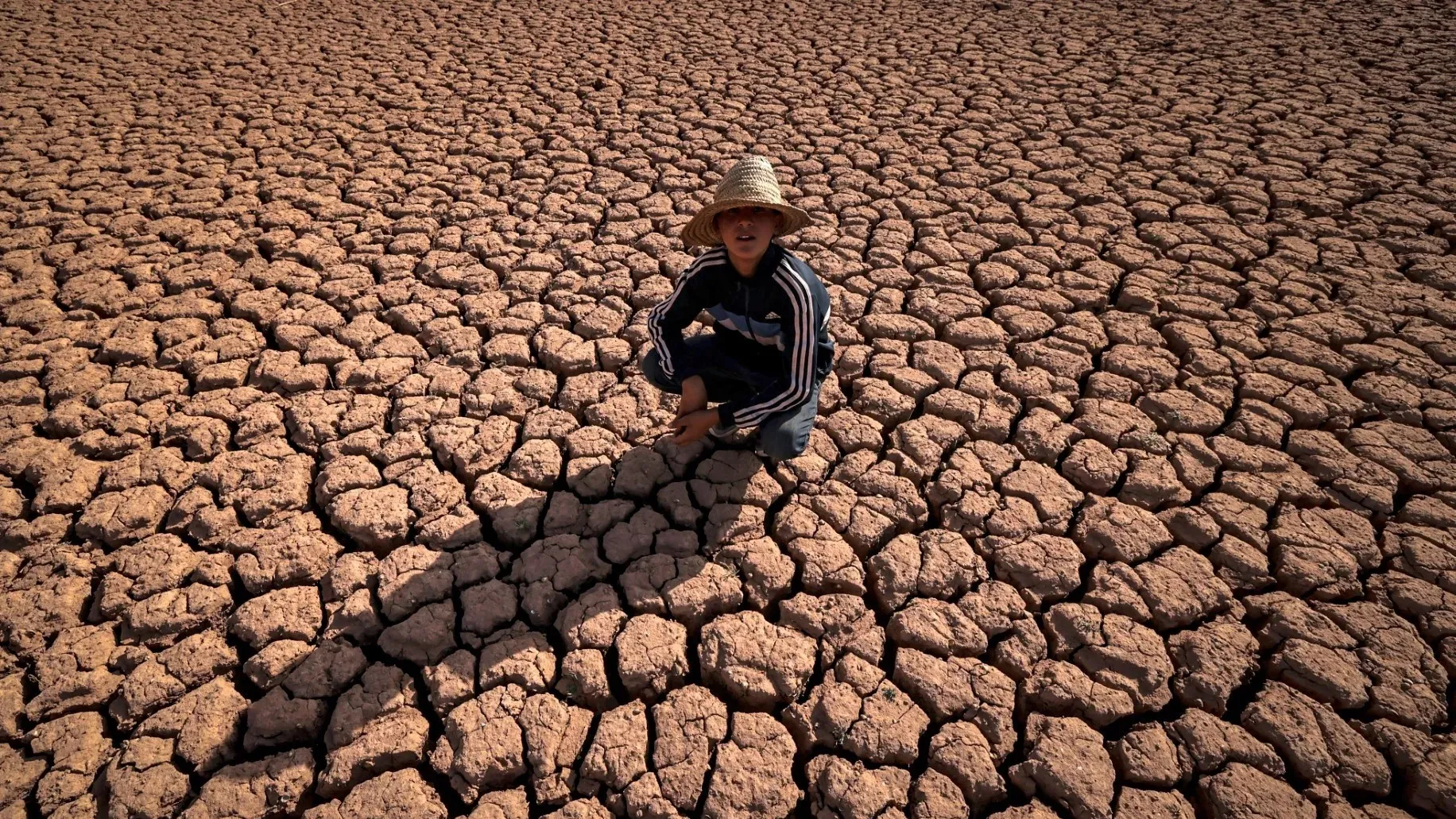
Researchers have meticulously examined four decades of atmospheric data above Morocco, drawing a concerning conclusion: the winds that once brought rain are diminishing, while those that create heatwaves are increasingly becoming dominant. This alarming trend reflects a significant shift in Morocco's climatic patterns, as indicated by a collaborative study conducted by Moroccan and American scientists, published on April 28, 2026, in the international scientific journal "Atmosphere." The implications of these findings extend far beyond academic circles, suggesting a dire need for immediate attention and action.
The Evolution of Morocco's Weather Patterns
Over the span of 40 years, from 1980 to 2019, researchers analyzed atmospheric data over Morocco and its oceanic margins, identifying six primary weather patterns that define the Moroccan climate. The first pattern is the Azores High, originating from Portugal, which brings calm and dry weather to the region. The second is the Saharan heat depression, a scorching air mass that drifts northward from the Sahara, resulting in extreme temperatures. The third pattern is a northeast wind that delivers cold, dry air in winter but intense heatwaves in summer. The fourth pattern is characterized by Atlantic disturbances, propelled by moist westerly and northwesterly winds that bring much-needed rainfall. These four configurations significantly influence Morocco's climate, while two additional patterns also contribute to the overall weather system.
The study reveals a crucial turning point in these configurations. The Saharan heat depression has been occurring with increasing frequency, indicating a statistically robust trend that is not coincidental. Conversely, the northeast wind regime, which typically supports cold winters and seasonal transitions, has significantly decreased. This shift signifies a gradual transition in Morocco's climate from a mix of warm and cool patterns to a regime dominated by Saharan heat. The seasonal balance that once allowed for distinct weather patterns—where winter brought rain and summer remained hot but bearable—is becoming increasingly disrupted.
Furthermore, researchers examined atmospheric conditions at an altitude of approximately 5,500 meters, where major air highways form. The results mirrored those at lower altitudes, showing a decline in configurations favorable to rain and an increase in those that block disturbances and promote heat. The researchers’ analysis, when cross-referenced with ground-level observations from Morocco's General Directorate of Meteorology in cities like Fes and Casablanca, revealed a striking correlation: nearly all heatwaves are attributable to the Saharan heat depression, with 98.87% of heatwaves in Casablanca linked to this single atmospheric configuration.
This stark correlation underscores the fact that the heatwaves affecting Morocco are not random meteorological events; they are the result of an identifiable atmospheric mechanism that is becoming more frequent. In terms of precipitation, the picture is equally stark. The configurations that provide the majority of rainy days—northerly airflows and Atlantic disturbances—are the ones that are declining, directly correlating with reduced rainfall. With about 70% of recorded precipitation in Fes and Casablanca attributable to these configurations, their diminishing occurrence translates to less rainfall.
The implications of these atmospheric changes are profound, impacting water resources, agriculture, and the daily lives of citizens. Researchers point out that previous studies predict a potential reduction in Morocco's water resources by 23% to 51% by 2080, depending on various scenarios. This alarming range reflects uncertainty in the pace of change but certainty in its trajectory. Less winter rain means less snow on the High Atlas Mountains—Morocco's natural water reservoir—which affects millions reliant on spring meltwater. Reservoir levels are already plummeting year by year, placing additional pressure on agriculture, a critical sector for rural employment.
The increasing frequency of heatwaves also poses significant public health risks, particularly for vulnerable populations such as the elderly and outdoor workers. The demand for water and energy for cooling is escalating at a time when resources are dwindling. This situation unfolds against the backdrop of a Mediterranean region already grappling with severe climate change, with projections indicating temperature increases of up to 5.6°C by the end of the century—about 20% higher than the global average.
While the researchers acknowledge the limitations of their study, such as the need for further exploration of the relationships between atmospheric changes and global factors like the North Atlantic Oscillation, their work provides a vital overview of the evolution of Morocco's climate over the past 40 years. The study offers a comprehensive snapshot that confirms on-the-ground observations of lengthening summers, drier winters, and increasing extreme events, revealing the underlying atmospheric mechanisms driving these changes. Morocco is not merely experiencing a series of bad years; it is entering a new climatic era, dictated by the invisible air masses that determine daily weather. This invisible conductor, the data suggests, has undeniably altered its score.
As reported by lopinion.ma.
