Ancient Life Beneath the High Atlas Mountains
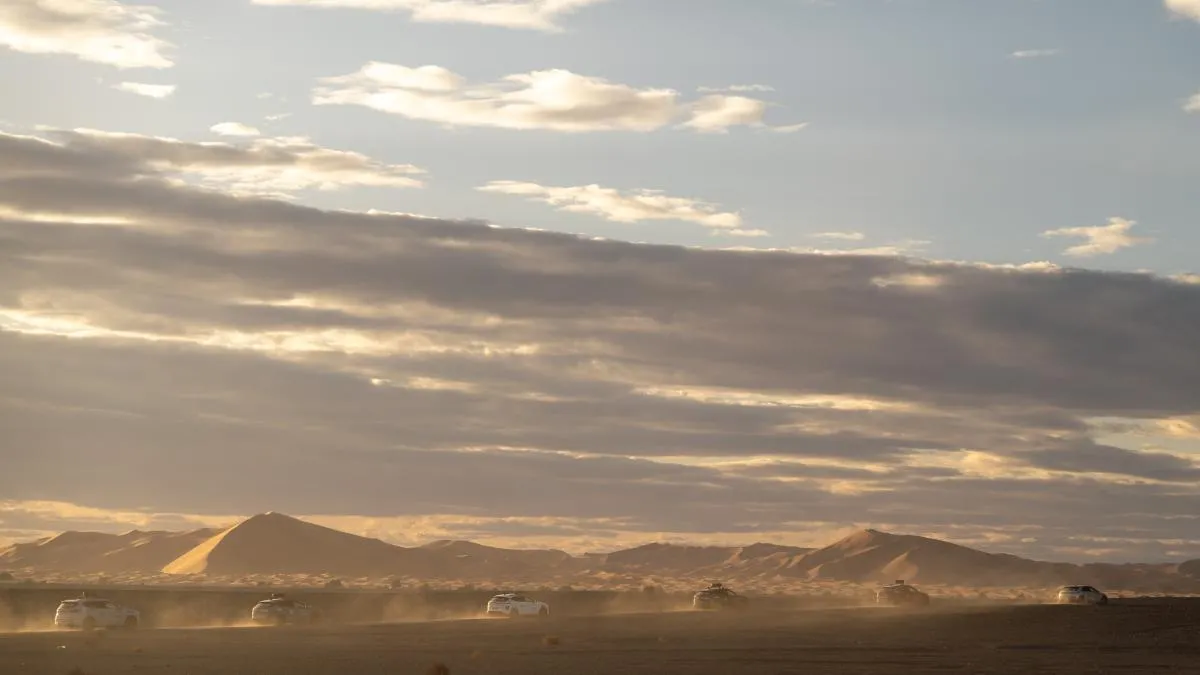
The High Atlas Mountains of Morocco present a stark contrast to the lush landscapes typically associated with rich biodiversity. Today, this region is characterized by its arid, rocky terrain and extreme climatic conditions. However, over 150 million years ago, this very area was submerged beneath a deep and dark ocean. Recent studies, published in the journal Geology, have shed light on this fascinating historical transformation and the life forms that thrived in these ancient marine environments.
A team of international researchers has made significant strides in unraveling the mystery surrounding fossilized structures discovered in the Tagoudite Formation, situated over 600 kilometers from Casablanca. These peculiar, wavy, and textured marks have left the scientific community in awe, as the current geological conditions are entirely unsuitable for any signs of marine life. Remarkably, this Moroccan region still harbors sediments from an ancient ocean floor that has since been uplifted to over 3,000 meters above sea level.
Revolutionizing Our Understanding of Microbial Life
For many years, experts speculated that these structures were remnants associated with photosynthetic microorganisms. However, the latest research, led by geobiologist Rowan Martindale, challenges this long-held belief. Martindale noted that these formations were located approximately 200 meters deep in a marine environment with minimal sunlight penetration, thereby ruling out any explanations based on photosynthesis and necessitating a reevaluation of their origins.
The breakthrough lies in the identification of chemosynthetic microorganisms, which derive energy from chemical reactions rather than relying on sunlight. These organisms thrived on sulfur-rich compounds found in the seabed sediments, creating intricate microbial mats that adhered to the ocean floor. Microscopic and chemical analyses revealed high concentrations of carbon, indicative of biological activity in sediment formation. Moreover, the arrangement and morphology of these structures align with patterns observed in extreme microbial ecosystems, presenting a new chapter in the geological history of the region and enhancing our understanding of life's adaptability to extreme environments.
As reported by mundodeportivo.com.