Morocco's Covert Surveillance During Gabon's Political Turmoil
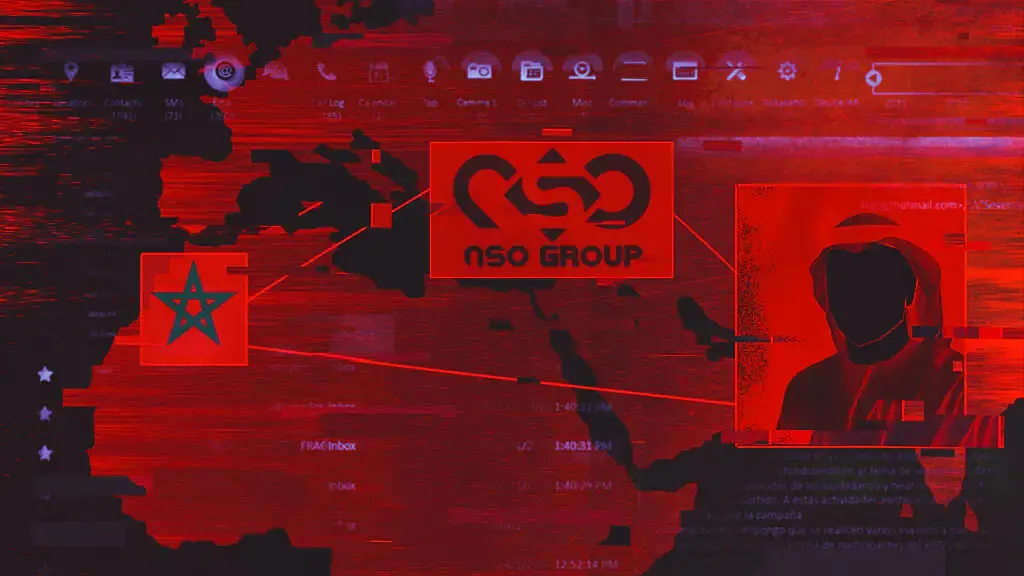
In March 2019, Gabon found itself embroiled in a political succession crisis following the health complications of President Ali Bongo Ondimba, who had been in power for a decade. The uncertainty surrounding his leadership prompted speculation about the country's future and potential successors, leading to a tense environment in Libreville, the capital. The situation escalated after Bongo suffered a stroke in October 2018, which necessitated his evacuation to Morocco for treatment. By early 2019, following a failed coup attempt that further destabilized his regime, the political landscape was fraught with intrigue and power plays as various figures vied for influence. Central to this turmoil was the involvement of Moroccan intelligence, which reportedly identified key members of Bongo's inner circle as targets for Pegasus spyware—a sophisticated surveillance tool developed by the Israeli company NSO Group.
Among those targeted were Noureddin Bongo Valentin, the president's son, and Brice Laccruche Alihanga, his chief of staff. The list of potential surveillance targets also included notable political opponents from the 2016 election, such as Jean Ping and Dieudonné Minlama Mintogo. This operation raised eyebrows given the historically close ties between Gabon and Morocco, with sources revealing that Moroccan intelligence had engaged in joint training exercises with their Gabonese counterparts. These developments indicate a calculated move by Morocco to monitor political maneuvers in Gabon during a time of vulnerability for the Bongo regime.
Historical Context and Political Implications
The origins of Morocco's surveillance interest in Gabon can be traced back several decades, establishing what some experts describe as a 'patron-client' relationship. The Moroccan intelligence services have long maintained a presence in Gabon, ostensibly to counteract potential threats such as Iranian influence. Reports suggest that Moroccan agents frequently travel to Gabon for intelligence operations, underscoring the depth of their involvement in the region. This relationship has been reinforced by mutual benefits, including military training and political support, particularly regarding territorial issues like Western Sahara.
As the crisis unfolded, Ali Bongo's return to Gabon in late March 2019 did little to quell the speculation surrounding his health and the legitimacy of his rule. The power dynamics within the Bongo administration shifted, with the young leaders of the so-called 'young team' vying for control. However, this internal struggle culminated in a broader crackdown on corruption, leading to the arrest of several key figures, including Noureddin Bongo and Brice Laccruche, amidst allegations of financial misconduct. This series of events highlights the precarious nature of political power in Gabon and the extent to which foreign intelligence services like Morocco's are willing to intervene in such crises.
As reported by forbiddenstories.org.