Morocco's Urban Population Growth and Aging Trends
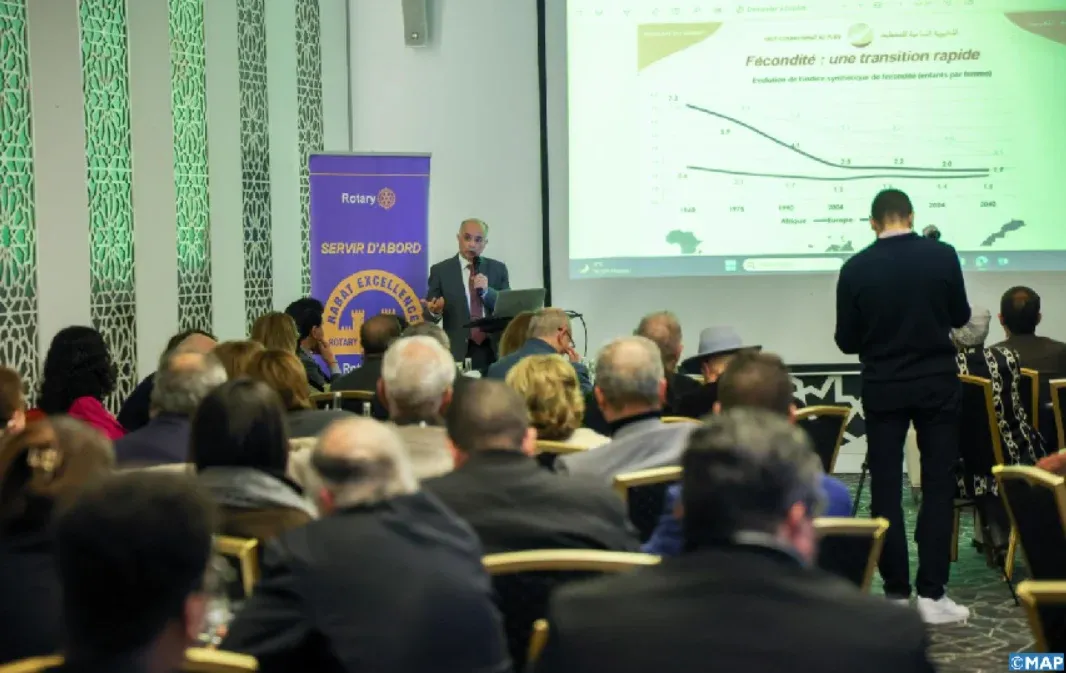
On Tuesday, during a conference held by the Rotary Club Rabat Excellence, Chakib Benmoussa, who serves as the High Commissioner for Planning in Morocco, provided valuable insights into the nation's demographic shifts. He reported a noteworthy increase in the urban population, which has surged from 16.5 million in 2004 to an estimated 23.1 million in 2024. Projections suggest that this number could rise to 28 million by 2040. Conversely, the rural population is anticipated to see a decline, stabilizing at approximately 13.7 million in 2024 and further decreasing to 12.5 million by 2040. This shift underscores the ongoing trend of urbanization in Morocco.
In tandem with these population changes, the number of households in Morocco is expected to rise significantly, increasing from 9.3 million in 2024 to nearly 12.3 million by 2040, marking a substantial growth of 32.5%. However, the average size of households is projected to contract from 3.9 individuals to 3.3. This phenomenon points to evolving family structures and living arrangements as urban areas become more densely populated.
Regional Disparities and Population Aging
Benmoussa also highlighted significant regional disparities in population distribution across Morocco. The regions of Casablanca-Settat, Rabat-Salé-Kénitra, Marrakech-Safi, Fès-Meknès, and Tangier-Tétouan-Al Hoceïma have remained the most populous regions since 2014, accounting for a staggering 86.2% of the population growth observed between 2014 and 2024. This concentration of growth in select areas raises questions about resource allocation and regional development strategies.
A critical concern highlighted by Benmoussa is the rapid aging of Morocco's population. The percentage of individuals aged 60 and over has expanded from 9.4% in 2014 to 13.8% in 2024, with estimates projecting it could reach 19.5% by 2040 and 22.9% by 2050. While the youth demographic, specifically those aged 15 to 29, currently comprises around 8.1 million individuals—representing 22.25% of the population—this segment has experienced a decline from 26.3% in 2014. It is important to note that a significant 73% of the youth reside in just five regions.
In terms of employment and education, 42.6% of young people are still engaged in educational pursuits, while 24.2% are employed, and 11.1% face unemployment challenges. Regarding the elderly demographic, Benmoussa observed that a substantial 90% of men aged 60 and above are married, in stark contrast to 52% of women in the same age group, with 38% of women being widowed. The majority of elderly individuals live in family settings, with 42% residing in multi-generational households, 43% living as couples, and 9% living alone. These trends highlight the complex dynamics of family structures and living arrangements as the population continues to age.
As reported by en.yabiladi.com.