
The city of Meknes, known as the capital of the Ismaïli region, is currently grappling with unprecedented weather conditions characterized by soaring temperatures, which significantly elevate public safety risks. This situation was starkly highlighted by a recent fire that broke out in the "Bab al-Jadid" market, exposing the alarming fragility of the emergency response system and the considerable distance from the command center. This incident has sounded the alarm regarding the concerning state of the regional civil protection authority in Meknes, which is marked by a severe shortage of both logistical resources and personnel. Such deficiencies pose serious challenges for the city in the event of major incidents or fires.
As it stands, Meknes is equipped with only four fire trucks to cover the entire area of the labor market, including both urban and rural communities, which starkly contrasts with the situation in Fez. The latter city benefits from significantly superior logistical and human resources, raising critical questions about the criteria for distributing support and equipment at the regional level. Furthermore, this scarcity prompts serious inquiries into the role of the Fez-Meknes Regional Council, whose developmental support and interventions are conspicuously lacking, especially considering that the civil protection authority is responsible for a geographical area much larger than that of Fez. This disparity amplifies the strain on the currently limited resources available.
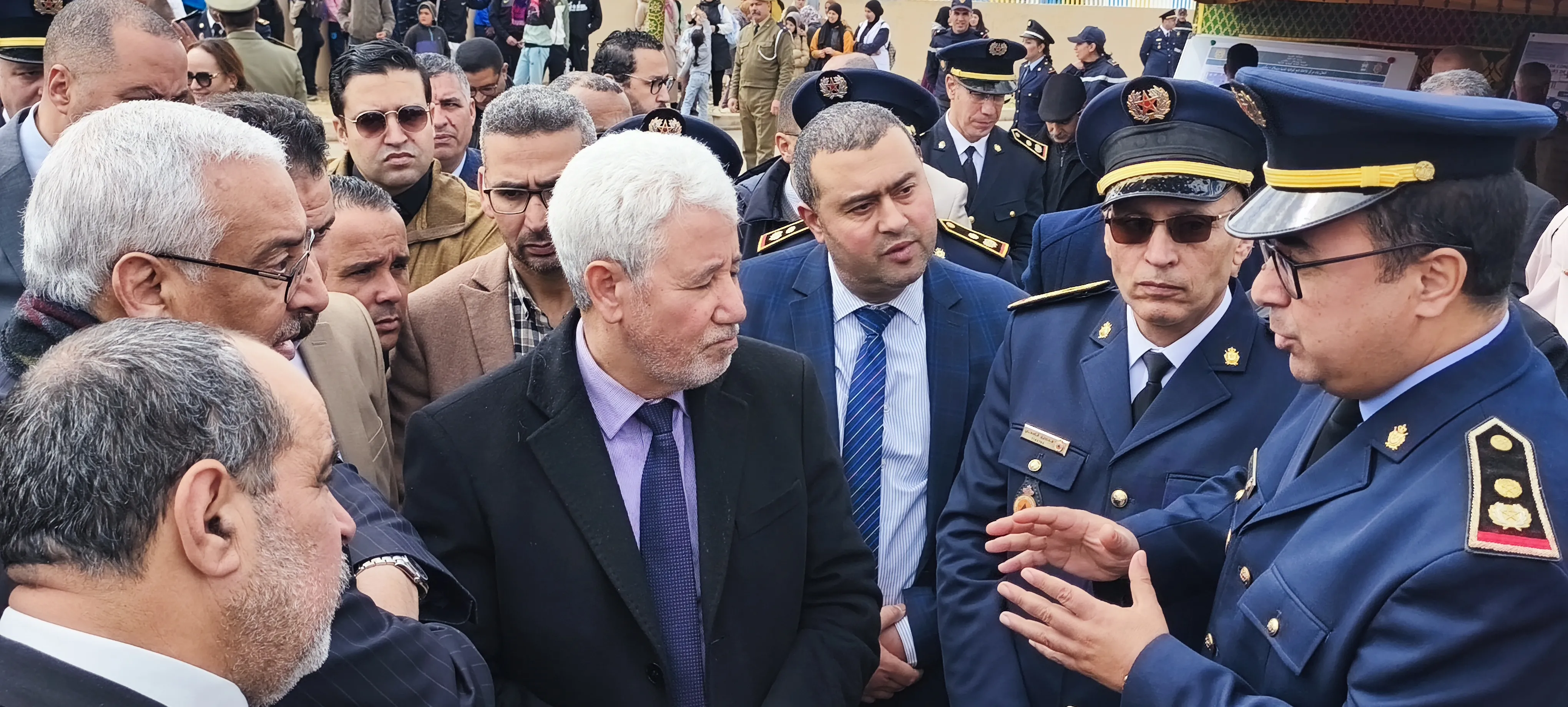
Despite these challenges, it is essential to commend the immense sacrifices and diligent efforts of the civil protection personnel in Meknes, who strive to safeguard the lives and properties of citizens under arduous working conditions. Special recognition is due to the regional commander of civil protection in Meknes for his direct oversight and meticulous attention to every detail, as well as his on-ground involvement in various interventions. He and his team embody a spirit of responsibility and dedication to their duties, despite the constraints posed by inadequate equipment that hinder the speed and effectiveness of their responses.
In this context, the voices calling for action are no longer mere individual outcries; they have evolved into professional and institutional demands. On July 9, 2026, the merchants' associations from the old city submitted an official letter to the president of the urban community of Meknes, urgently requesting the provision of fire trucks and equipped ambulances to cover sensitive areas such as Bab Mansour, Bab al-Jadid, and Bab al-Millah. This correspondence reflects the deep concerns of professionals regarding the unique architectural characteristics of the old city and underscores that any delay in addressing these requests could lead to dire and irreparable consequences.
Despite local initiatives led by the governor of Meknes, which included the acquisition of two ambulances through the labor council and a project to construct a new civil protection center in the "Lalla Jamila" area near the Mikumar company, these efforts remain insufficient to mitigate the escalating field risks faced in the old city. The pressing need for effective intervention from the Meknes municipal council cannot be overstated, as it is the primary elected body responsible for ensuring that all available resources are mobilized. There is an urgent need to enhance the infrastructure and logistical capabilities of civil protection to ensure the safety of citizens and their properties in line with the aspirations of the city's residents.
Moreover, citizens of Meknes are left wondering about the progress of the civil protection command center project located on Mohammed VI Street, near the headquarters of the Meknes Security Directorate, which promises to be a vital resource for prompt and effective interventions.
As reported by akhbarmeknes24.com.