
A recent development has emerged from a committee within the U.S. House of Representatives, which has sparked controversy by challenging the Spanish sovereignty of Ceuta and Melilla. The committee's report suggests that these two cities, located on the northern coast of Africa, are actually part of Moroccan territory. This assertion has led to a call for diplomatic intervention from Secretary of State Marco Rubio to facilitate discussions between Spain and Morocco regarding the future of these autonomous cities.
The committee's document highlights the historical ties between the United States and Morocco, dating back to 1786, and proposes allocating at least $20 million to Morocco for national security investment programs and military financing by 2027. This initiative underscores the significance of U.S.-Moroccan relations, especially in light of recent geopolitical shifts.
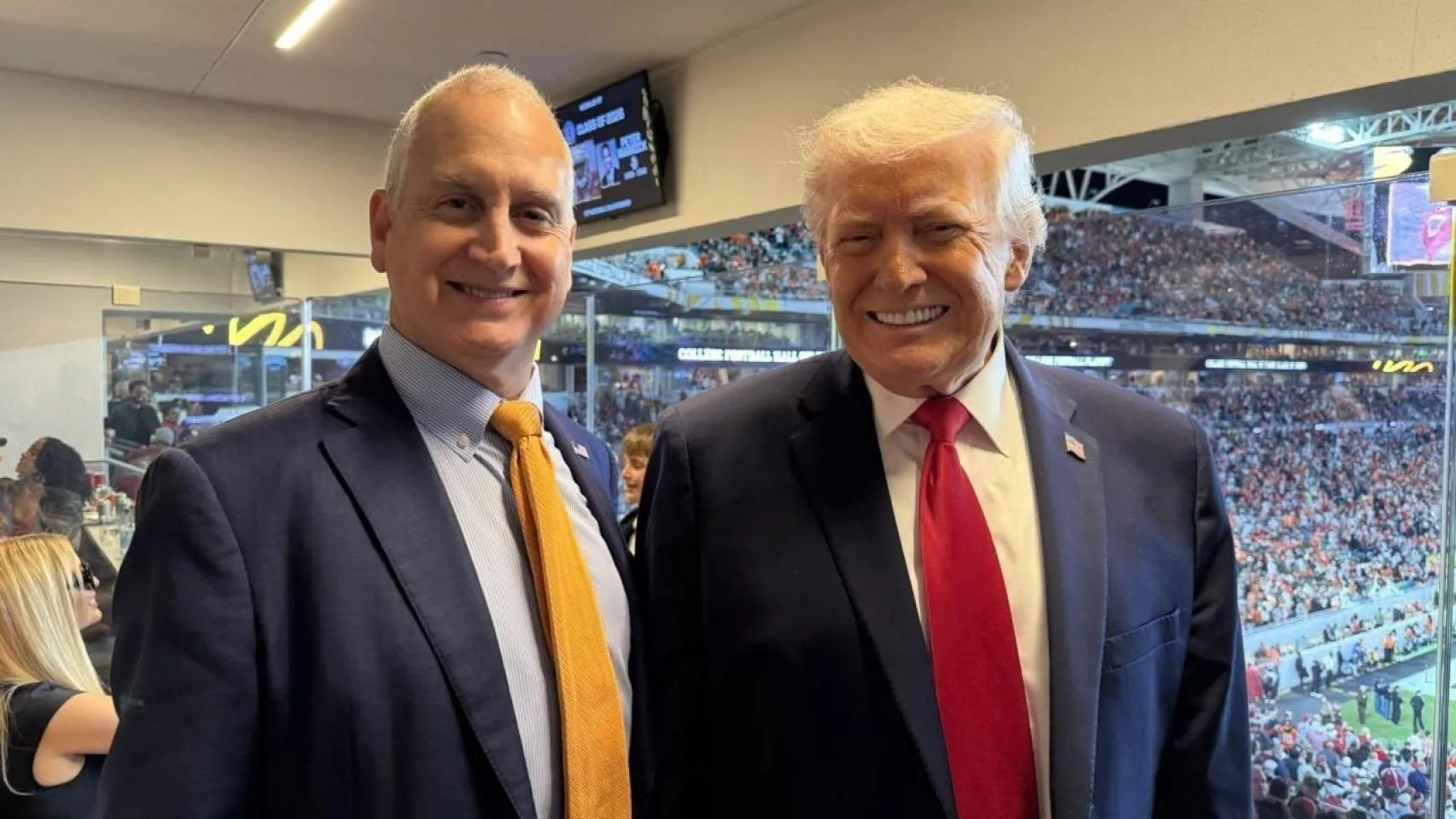
Interestingly, Congressman Mario Díaz-Balart, a member of the Republican Party and known for his controversial views, has expressed support for Morocco's stance on Ceuta and Melilla. In an interview, he emphasized that these cities do not belong to Spain geographically but rather to Morocco. Díaz-Balart's remarks align with the opinions of various commentators from both the U.S. and Morocco, further complicating the diplomatic landscape.
Despite the assertions made by Díaz-Balart and the congressional committee, the Spanish government maintains that there is no legal basis for transferring sovereignty over Ceuta and Melilla to Morocco, highlighting the long-standing historical presence of Spain in these territories. This ongoing debate over the status of Ceuta and Melilla reflects broader issues of colonial legacy and national identity in the region.
As the situation unfolds, the responses from both Spanish and Moroccan diplomatic channels have been notably muted, leaving many to speculate on the potential implications of these developments. The U.S. engagement in this matter could reshape diplomatic relations in the region, especially considering the historical context provided by the Abraham Accords, which aimed to normalize relations between various Middle Eastern countries and Israel.
In conclusion, the questioning of the Spanish sovereignty of Ceuta and Melilla by a U.S. congressional committee marks a significant moment in international relations, prompting a re-examination of historical claims and future diplomatic strategies.
As reported by elespanol.com.