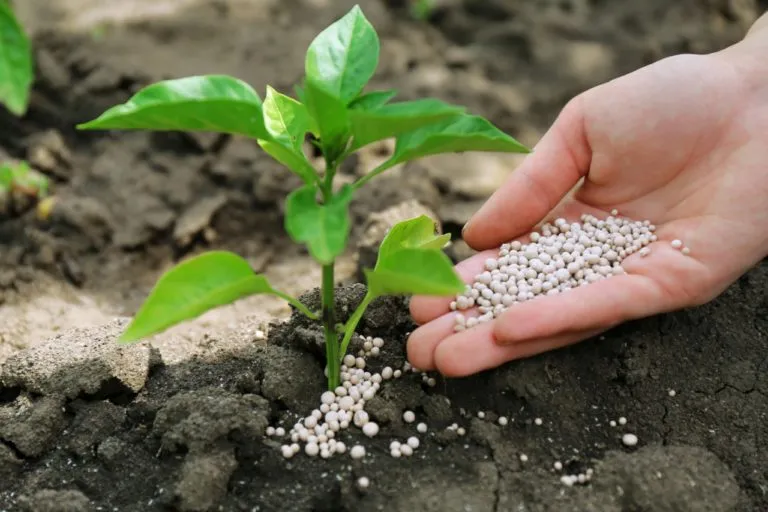
In a significant move reflecting the concerns of the agricultural community, sixty-four agricultural organizations, including the prominent National Corn Growers Association (NCGA), have penned a letter directed to the chief executives of two of the United States' largest fertilizer producers. The letter urges these executives to advocate for the removal of tariffs imposed on imported phosphate fertilizers from Morocco. This request comes in light of the recent conflict in the Middle East, which has exacerbated the already soaring prices of fertilizers across the U.S., irrespective of the actual impact on domestic supply.
The letter explicitly communicates the farmers' distress, stating, "The recent Middle East conflict has led to increases in the prices of U.S. fertilizer, regardless of actual impact to the U.S. supply." Addressed to Mosaic Company CEO Bruce Bodine and J.R. Simplot CEO Garrett Lofto, the letter implores these leaders to take action to alleviate and stabilize fertilizer prices by renouncing their support for the duties that have been applied following antidumping and countervailing duty investigations. The farmers emphasize the urgency of this matter, asserting that U.S. agricultural security hinges on their ability to access critical fertilizers without the burden of high tariffs.
The imposition of these duties dates back to 2020 when the U.S. Commerce Department, responding to a petition from Mosaic, enforced tariffs on phosphate fertilizers imported from Morocco and Russia. Mosaic argued that foreign companies, allegedly receiving unfair subsidies, were undercutting the U.S. market by flooding it with low-priced fertilizers. This petition saw support from J.R. Simplot, which further solidified the case for tariffs. However, the repercussions of this decision have been severe; at least one Moroccan supplier has ceased shipments to the U.S., resulting in increased prices and shortages that have further strained the agricultural sector.
The letter underscores that the ongoing conflict, coupled with already elevated input prices in the U.S., diminishes the rationale for U.S. companies to seek countervailing duty protections. Instead, it highlights that the priority should be on ensuring farmers have greater access to essential fertilizers to sustain agricultural productivity and security.
As reported by northafricapost.com.