Strategic Military Developments Near the Canary Islands
The recent military advancements in close proximity to the Canary Islands are becoming increasingly significant. The United States has initiated the development of a major military training and drone center just 300 kilometers from the archipelago, in Tan-Tan, Morocco. This initiative is part of a military cooperation memorandum signed between the U.S. and Morocco, which is set to span from 2026 to 2036. Planned to commence operations before 2030, this complex aims to establish itself as the premier military training hub on the African continent. However, the implications for the Canary Islands extend beyond mere military considerations. According to Frédéric Mertens, an expert in International Relations at the European University, the potential impact on migration flows could either enhance control or lead to chaos. Should Morocco, with U.S. backing, decide to loosen its grip on the migration of small boats towards the Canary Islands, it could result in a surge of irregular migration. This scenario seems plausible given the current tensions between Donald Trump’s administration and Spain's Pedro Sánchez government, with migration previously utilized as a pressure tactic on Spain.
Washington's Growing Influence in North Africa
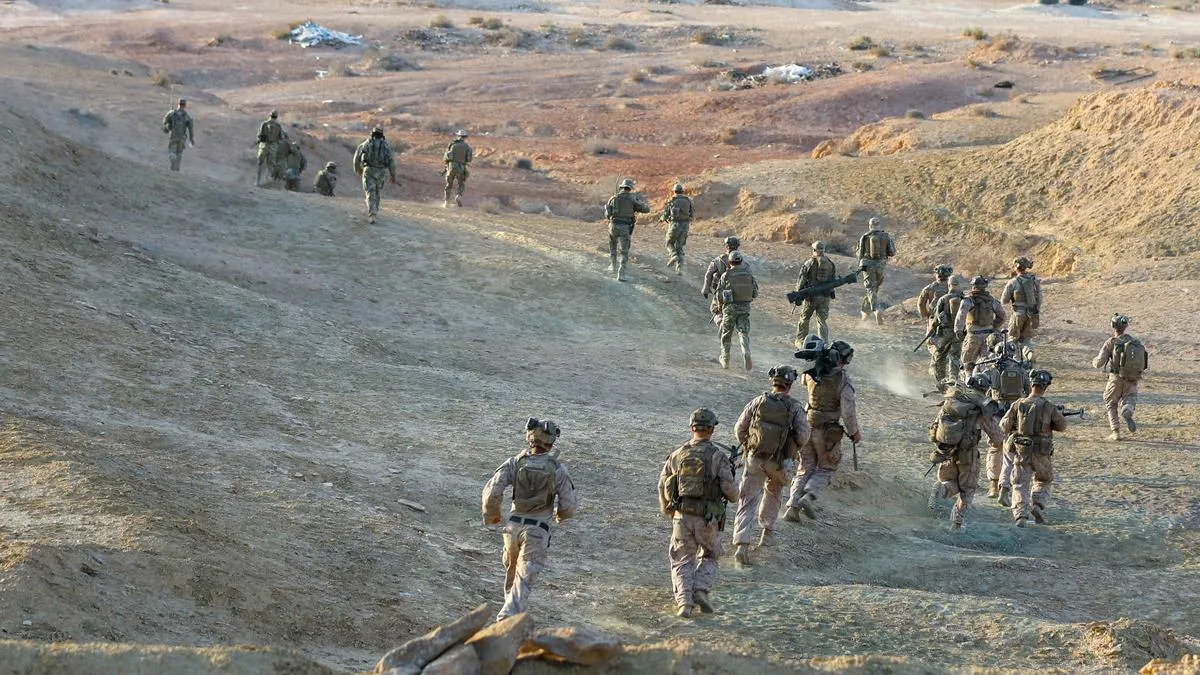
Tan-Tan, which is also strategically located near the Sahara, serves as a key location for the African Lion military exercises—one of the largest military maneuvers conducted by the U.S. Africa Command (AFRICOM). These exercises take place in close proximity to the Canary Islands and recently involved over 10,000 military personnel from 20 different nations. The increasing military presence of the U.S. in North Africa places the Canary Islands in a strategically advantageous position for both Spain's defense and NATO's security apparatus in the southern flank. In recent months, the collaboration between the U.S. and Morocco has solidified with a military cooperation agreement that includes the procurement of American military equipment by Rabat. As Mertens emphasizes, it is now crucial to assist Morocco in effectively utilizing these weapons. This initiative reflects Washington's intent to bolster its foothold in Africa, particularly following the waning influence of traditional powers such as France and the United Kingdom, alongside the rising presence of China and Russia on the continent. Trump’s strategy appears to be focused on countering China’s influence, which he views as the number one adversary, even more so than Iran or Russia.
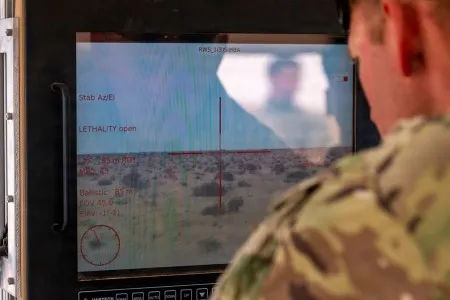
All these geopolitical maneuvers have a pronounced impact on the Canary Islands due to their geographical proximity. The new African military center will encompass three main areas: military training facilities, a drone academy, and an innovation and experimentation center. This facility will serve as a defense laboratory combining military training, unmanned systems education, and the development and testing of new defense technologies. Beyond military implications, the strengthening of U.S.-Morocco cooperation raises questions about the real effects these developments might have on migration routes to the Canary Islands. Morocco plays a pivotal role in controlling migration flows from the Atlantic coast, and any shifts in its security cooperation strategy could have significant repercussions. The evolution of these dynamics will largely depend on the decisions made by Morocco in coordination with Washington.
Another notable aspect of this project is its location near the Sahara, which sends a geopolitical message to the region. As Mertens points out, establishing this military presence serves to mitigate threats to regional stability and reinforces an area stretching from the Sahara to Libya. This region is of critical interest to both Morocco and the United States as they aim to enhance cooperation and stabilize the area. For Spain, these military advancements could represent a potential threat that warrants close attention. Given the geographical closeness and the Canary Islands' role as Spain's southernmost frontier, any developments in the region could have widespread implications for the entire country. As Mertens warns, "Any event that occurs in the Canary Islands would affect all of Spain."
As reported by amp.elperiodico.com.