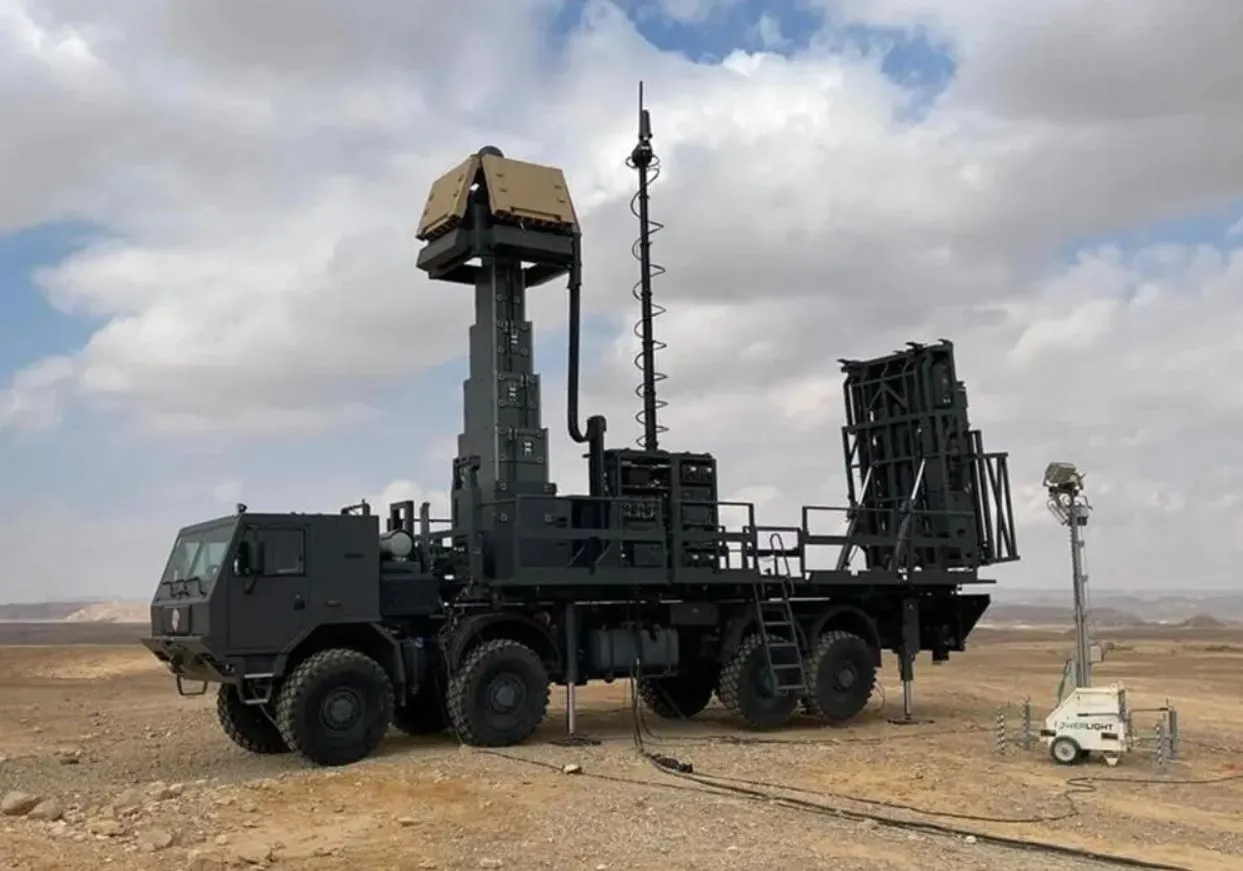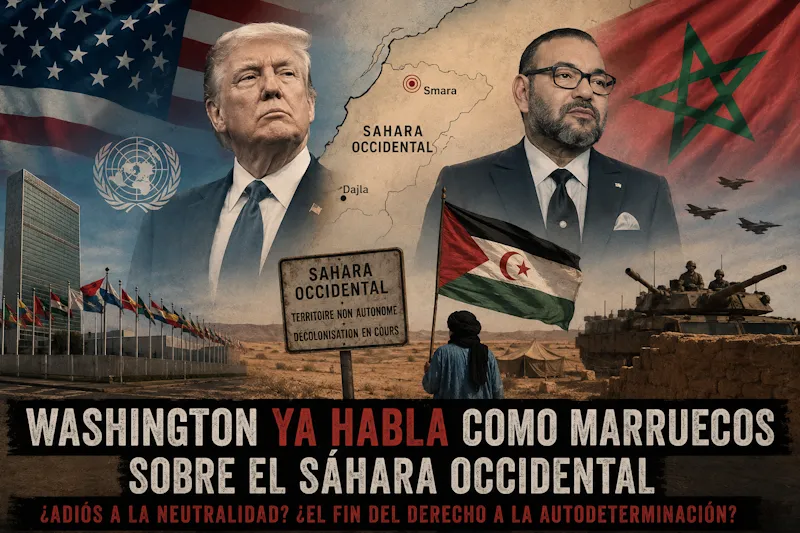
Recent developments have marked a significant shift in the political dynamics between the United States and Morocco, reinforcing U.S. support for Moroccan sovereignty over Western Sahara. This alignment became particularly evident following the U.S. representation at the United Nations adopting Morocco's narrative regarding the ongoing conflict, identifying the Polisario Front as a barrier to peace. This situation has evolved beyond mere military exercises such as AFRICAN LION or diplomatic gestures towards the occupied Sahrawi city of Dakhla, indicating a deeper commitment from Washington.
In a statement issued by the U.S. mission to the UN after recent hostilities in Smara, Washington condemned the actions of the Polisario, endorsing Morocco’s autonomy proposal as a viable path to peace. The U.S. has urged those resistant to this new political reality to reconsider their position. This swift response from the U.S. highlighted the persistent nature of the armed conflict in Western Sahara, challenging Morocco’s portrayal of stability in the region. While Rabat delayed its official response to the events in Smara, the U.S. promptly condemned the attack, linking it to the current political and military landscape. This discrepancy in reactions is notable and underscores the complexities of the situation.
The implications of the U.S. stance are profound. It suggests that the conflict in Western Sahara is far from being resolved, as the United Nations still categorizes the territory as pending decolonization, thereby affirming the Sahrawi people's right to self-determination within the international legal framework. The American shift in policy transcends mere diplomatic language; it raises critical questions regarding international mediation in the conflict. Spanish academic Carlos Ruiz Miguel aptly described this situation, indicating that the U.S. has shown a clear alignment with Morocco while expressing hostility towards the Polisario Front. This position significantly undermines the U.S.'s credibility as a mediator in future negotiations.
The evolution of American rhetoric signifies a departure from its previous stance, which sought to maintain a semblance of balance while navigating the Sahrawi political process. The current discourse no longer emphasizes the self-determination referendum promised by the UN or promotes negotiations between equally recognized parties. Instead, it appears to endorse Moroccan sovereignty as an irreversible fact, thereby diminishing the Polisario's political influence on the international stage. This shift is critical, as it marks a departure from neutrality by a significant global power in an ongoing decolonization process.
This situation has raised concerns among Sahrawi groups and various analysts who criticize the U.S. for its overt support for Moroccan autonomy and the implicit criminalization of Sahrawi resistance. Meanwhile, Moroccan actions in the territory, including allegations of human rights violations, remain largely unaddressed by the international community. This context is particularly delicate, given the reactivation of conflict since 2020, the military consolidation of AFRICAN LION operations, and a global community increasingly focused on managing rather than resolving the conflict in accordance with international law.
The critical issue at hand extends beyond the U.S. position; it prompts a broader inquiry into the willingness of certain international powers to supplant the principle of self-determination with a narrative that favors established facts.
As reported by moroccomail.fr.