

Consistent US Support for Morocco's Autonomy Framework
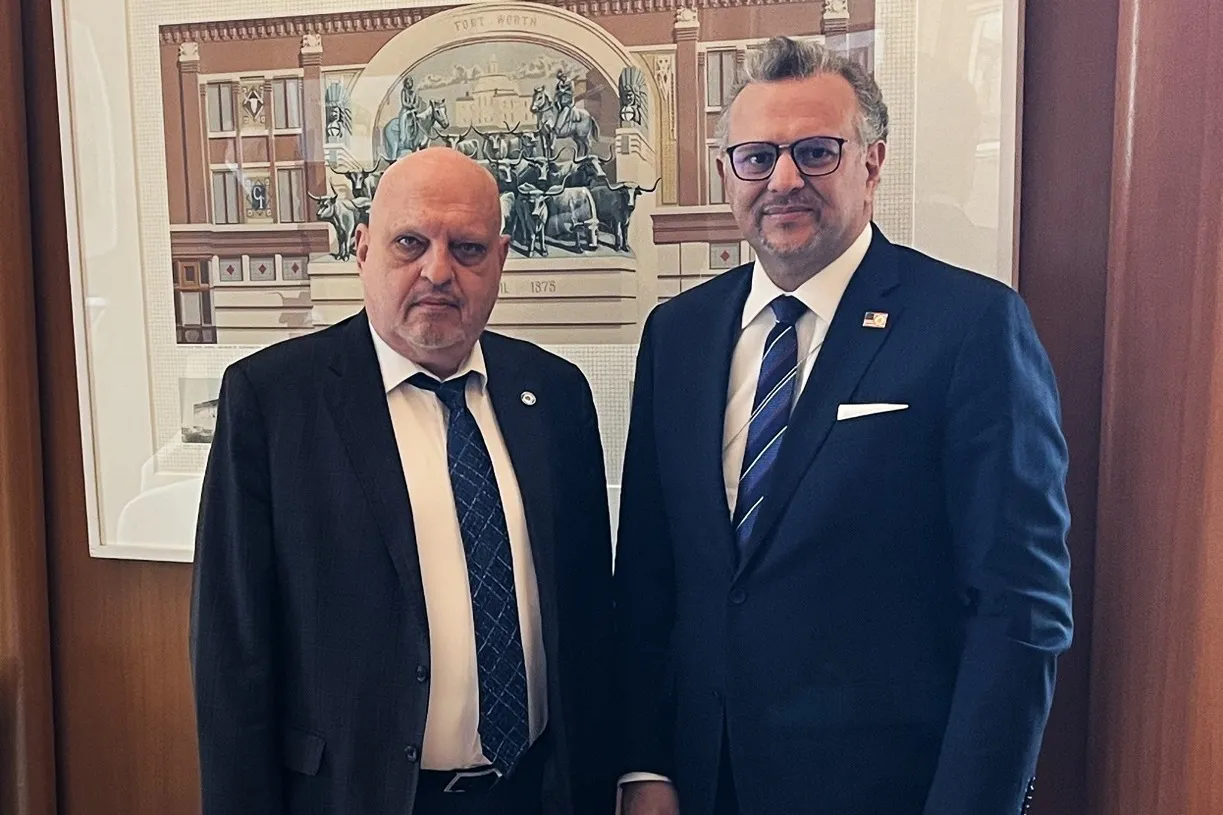
In a significant diplomatic engagement, Massad Boulos, a senior advisor to former President Trump, reaffirmed the United States' steadfast backing for Morocco's Autonomy Plan, labeling it as the sole viable framework for resolving the longstanding dispute over Western Sahara. This commitment was articulated during a constructive meeting with Alexander Ivanko, the head of MINURSO, the United Nations peacekeeping mission in the region.
Boulos expressed the US position on social media platform X, stating, "I reaffirmed U.S. support for a just, lasting, and mutually acceptable political solution in Western Sahara based on genuine autonomy under Moroccan sovereignty." The dialogue not only underscored the US's commitment but also served as an opportunity to discuss the implementation of the UN Security Council Resolution 2797, which was adopted in October of the previous year.
The resolution recognized Morocco's Autonomy Plan as a legitimate political foundation for resolving the conflict and called on all involved parties to engage in dialogue to support the UN-led political process aimed at achieving a realistic and mutually agreeable solution. Boulos' meeting with the MINURSO leadership comes during a period of renewed hope for negotiations among the disputing parties, particularly Algeria and the Polisario Front.
Recent Developments and International Support
Algeria, which has historically rejected its role in the conflict, maintains that a resolution should be negotiated solely between Morocco and the Polisario, positioning itself as an observer rather than an active participant. However, this stance has been challenged by the recent UN resolution, which highlights Algeria's involvement in the matter. Earlier this year, the United States played a pivotal role in facilitating two rounds of dialogue among the conflicting parties, aiming to address the nearly 50-year-old dispute.
Staffan de Mistura, the UN personal envoy for the Sahara, indicated that current efforts present a genuine opportunity for progress towards a long-term resolution. During a recent UNSC briefing, he noted the emergence of "genuine momentum" from the latest rounds of discussions, which have clarified essential parameters for a political settlement consistent with UNSC resolutions. Central to these discussions is Morocco's Autonomy Plan, which has garnered endorsement from over 120 countries as the most feasible route to resolving the dispute. Notably, Canada recently recognized the Autonomy Plan as a credible basis for settling the Sahara conflict.
In further affirming US support, Deputy Secretary of State Christopher Landau echoed Boulos’ sentiments during his visit to Rabat, emphasizing that the Moroccan Autonomy Plan is the "only basis for a just and lasting solution to the territorial dispute over the Sahara." This unified stance reflects an international consensus on the need for a diplomatic resolution to this protracted conflict.
As reported by moroccoworldnews.com.
