West African Leaders Approve Groundbreaking Gas Pipeline Project
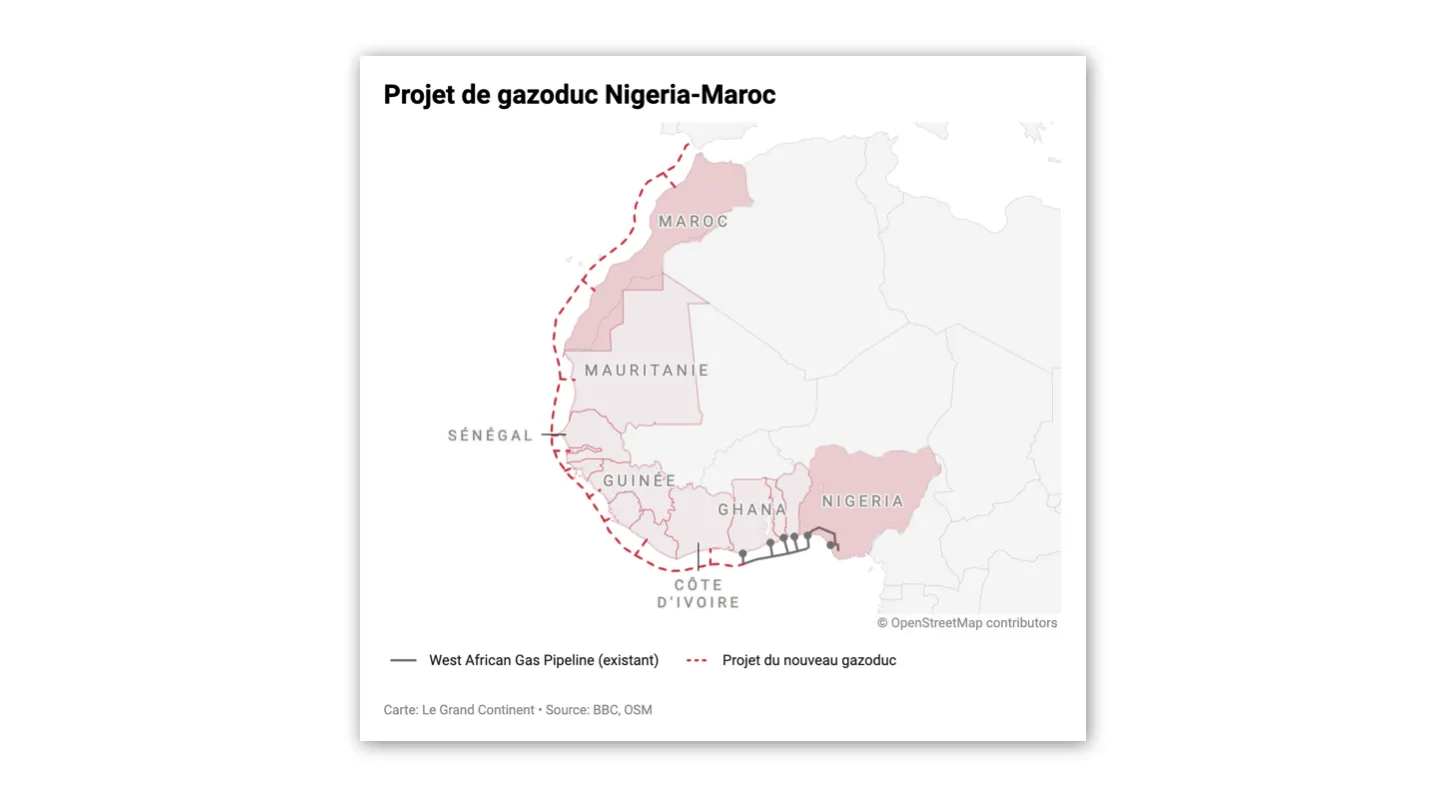
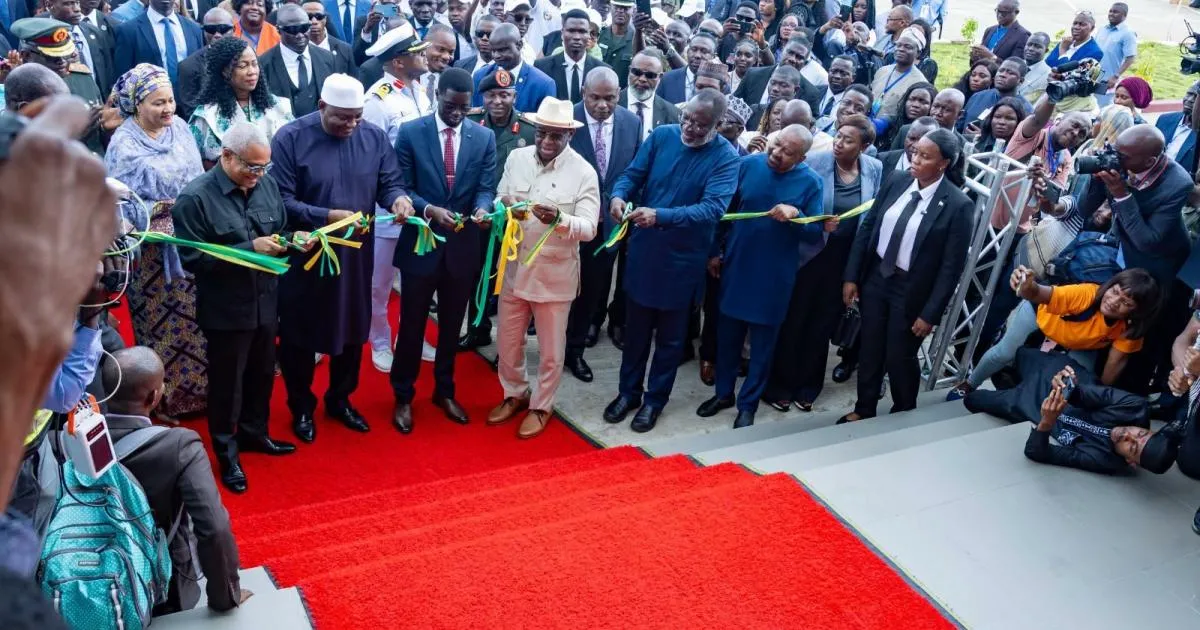
The ambitious gas pipeline project connecting Nigeria to Morocco is set to enter a new phase, extending beyond mere energy markets to establish a significant economic link between West Africa and Europe. In a decisive move during the Economic Community of West African States (ECOWAS) summit held in Freetown, Sierra Leone, West African leaders have unanimously endorsed the construction of a gas pipeline that will traverse 13 countries along Africa's Atlantic coast.
Spanning approximately 6,000 kilometers, this pipeline aims to transport Nigerian gas to Morocco, where it will ultimately connect with the Morocco-Europe pipeline. This strategic initiative was highlighted during the recent summit, where the leaders recognized its potential to reshape the energy landscape in the region.
Creating an Energy Corridor
Julius Mada Bio, the current president of ECOWAS, stated, "We have signed the agreement for the gas pipeline between West Africa and Morocco," emphasizing that stakeholders should prepare for the forthcoming gas supplies. A joint statement from Morocco's National Office of Hydrocarbons and Mines and the Nigerian National Petroleum Corporation outlined the project's goals to link gas resources in West Africa with major regional markets.
This project not only aims to enhance energy market integration across Africa but also seeks to establish a new developmental corridor linking West Africa, the Sahel region, Morocco, and Europe. Upon completion, the pipeline will create a vital route along the continent's western coast, facilitating the transport of Nigerian gas resources through several countries to Morocco.
According to the joint statement, the next steps involve establishing a dedicated company based in Casablanca, as well as creating a supervisory authority for the gas pipeline headquartered in Nigeria's capital, Abuja. This will help attract investors and finalize investment decisions. A source from Morocco's National Office of Hydrocarbons and Mines indicated that construction is expected to commence in 2028, with the first gas supplies projected to begin by 2031.
The total cost of the project is estimated at around $27 billion, with its conception dating back to 2016 when it was initially proposed during King Mohammed VI's visit to Abuja. The momentum for this project comes in light of recent shifts in the region's energy supply dynamics, particularly following the cessation of Algerian gas flows to Spain through the Maghreb-Europe pipeline in 2021, largely due to deteriorating relations between Algeria and Morocco.
As reported by alaraby.com.