Understanding the Impact of Child Kidnapping Rumors in Morocco
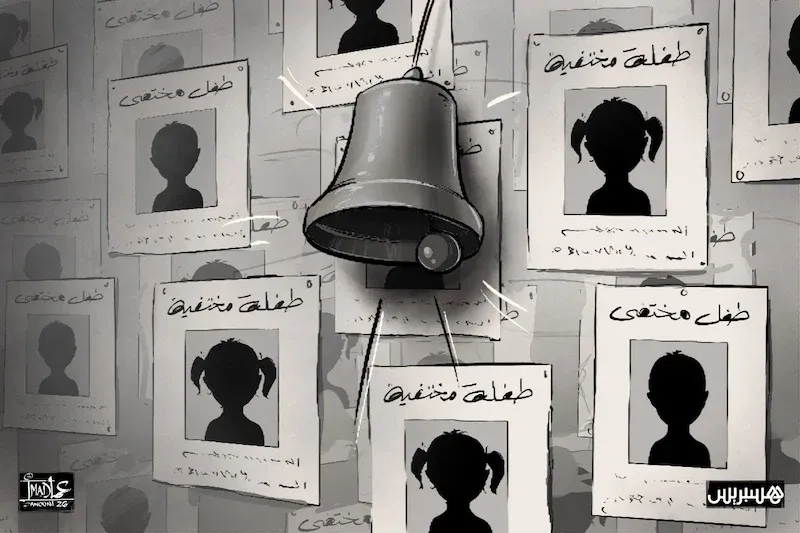
Recent weeks have seen a troubling rise in rumors regarding child kidnappings in Morocco, which have transcended mere misinformation and struck at the heart of family security within the community. These rumors, particularly those that mention organized abductions and organ trafficking, have transformed from simple falsehoods into potent instruments of fear, sowing distrust and chaos in everyday life, particularly in neighborhoods, schools, and public spaces. This alarming trend has highlighted that the issue is far more significant than just a series of false news items; it has become a matter that directly impacts the collective sense of security among families.
In response to this wave of speculation, the Ministry of Interior firmly refuted these claims, emphasizing that they were baseless rumors propagated without thorough investigation or credible sources. The General Directorate of National Security also issued statements to dispel any notions of systematic child kidnapping and trafficking, thereby cutting through the growing tide of fear. They clarified that no official cases of child abduction linked to organ trafficking had been recorded, reinforcing that the reporting systems they operate, including a dedicated missing children alert system, had not received any notifications regarding such incidents.
This official response is crucial, as it not only aims to deny the rumors but also seeks to restore public confidence before digital anxiety morphs into widespread social panic. The proactive approach taken by the authorities demonstrated the necessity of addressing the exaggerated local claims that had taken root, such as those surrounding a supposed arrest of a woman in a niqab and her husband for child kidnapping, which was ultimately revealed to be a misunderstanding based on citizen suspicion rather than any criminal activity.
Moreover, in other cities such as Tangier, Larache, and Kenitra, the General Directorate of National Security reiterated that the circulating rumors were merely distortions of inaccurate information. These examples underscore how a moment of confusion or a misinterpreted claim can rapidly escalate into a widespread panic before investigative efforts and security measures can recalibrate the situation to its accurate proportions. This aspect underscores the essential role that public safety plays today, which extends beyond traditional crime fighting to encompass the safeguarding of the public sphere against the psychological contagion that rumors can generate.
The Need for Community Vigilance and Institutional Rigor
The current situation raises an important question: Are we witnessing a transient wave of misinformation or a recurring pattern that exploits familial fears to destabilize the overall sense of safety? Determining the existence of an organized campaign requires more comprehensive data than what is currently available in the public domain. However, the persistent repetition of similar claims across various cities, often utilizing outdated videos or misrepresented events, lends credence to the discussion about a systematic exploitation of public anxiety. When the target is the Moroccan people's sense of security in their daily environment, the issue transcends mere 'misleading content' and approaches a direct assault on the psychological stability of the community.
Consequently, the current phase necessitates a dual approach: community vigilance and institutional rigor. Vigilance is required from families and citizens to avoid becoming unwitting conduits of fear, while strict measures are necessary from relevant authorities to ensure that those propagating such falsehoods understand that undermining the collective sense of security is not merely a digital amusement but a behavior with social and legal repercussions. These rumors may not abduct children, but they certainly attempt to seize something equally valuable: family peace and societal trust in daily safety.
As reported by hespress.com.