
Understanding Morocco's Unique Gold Pricing Dynamics
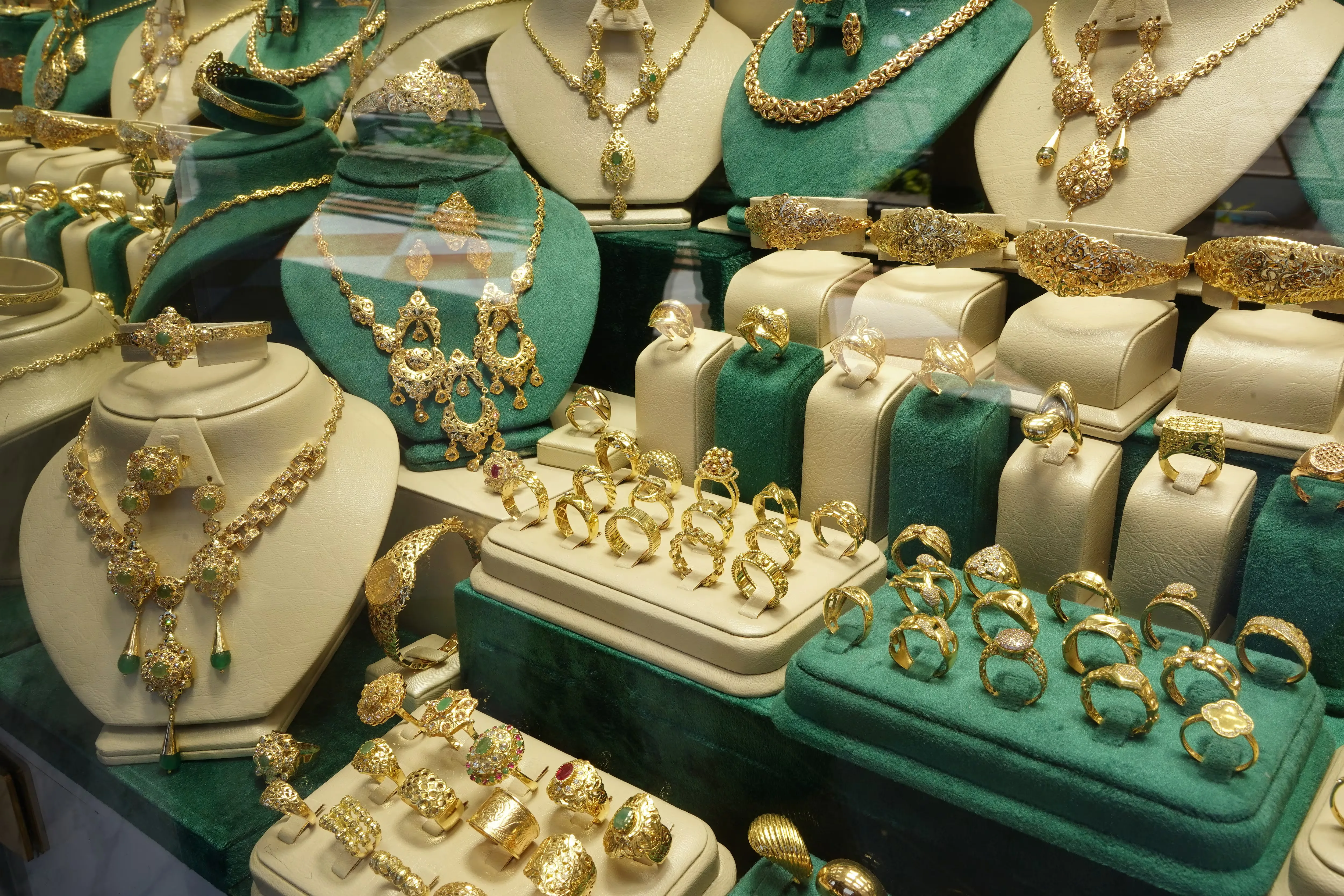
The Moroccan gold market exhibits a perplexing behavior that diverges significantly from international trends, leading to stagnation in local prices despite global fluctuations. While global markets occasionally see declines, Moroccan consumers often find little to no change in the prices displayed in jewelry stores. A visit to the jewelry shops in Casablanca or Rabat reveals a wide variation in prices for similar pieces, with international drops rarely reflected in local pricing. For instance, as of April 7, 2026, the international price of gold is approximately $4,672 per ounce, a notable decrease from the historical peak of $5,200 per ounce reached in January. Despite this significant drop, Moroccan consumers continue to see prices for 24-karat gold hovering around 1,527 dirhams per gram, with little indication of downward adjustment.
Market experts suggest that the local gold market operates at a different pace, often lagging behind international trends. For example, Hassan, a jeweler in Rabat, points out that while the price of gold has decreased abroad, it remains relatively high in Morocco. Currently, 18-karat gold is priced between 1,090 and 1,100 dirhams, while 24-karat gold can reach up to 1,250 dirhams. This persistent discrepancy has led to a stagnation in the sector during 2026, as consumer behavior has shifted dramatically. Customers, disillusioned by prices that refuse to drop, are opting to sell their jewelry for cash rather than making new purchases.
The Complex Relationship Between Supply and Market Prices
Delving deeper into the roots of this issue, Driss El Hazzaz, president of the Moroccan Federation of Jewelers, highlights a significant technical factor at play: the opacity of the supply chain. Despite Morocco being a mining producer, the reality reveals a paradox. The country has gold and silver mines and is even the world's leading silver exporter, yet all production leaves Morocco for refining abroad, leaving nothing returned. This lack of a local supply chain forces jewelers to rely on recycling old jewelry, which only satisfies 10 to 15 percent of market needs. Consequently, jewelers face inflated costs before they even begin their work.
Moreover, regulatory constraints further complicate things. The Office des Changes imposes payment limits of around $18,000, which is trivial compared to international market realities. This bureaucratic rigidity prevents jewelers from legally purchasing gold when global prices drop, pushing them towards informal channels or smuggling to procure supplies. El Hazzaz explains that in order to import legally, some transactions must occur off the books, leading to a reliance on smugglers who sell gold through illicit routes. This immediate added cost must be passed on, establishing a baseline profit margin of 90 to 150 dirhams per gram from the outset. Such high entry costs explain why gold remains expensive in Moroccan workshops, even when international prices fall.
The noticeable price disparities between neighboring jewelry stores can also be attributed to different business models. El Hazzaz clarifies that there are merchants who buy finished stock and jewelers who create artisanal pieces. Merchants tend to hold on to their prices to protect their margins, even as gold prices drop in the market. Additionally, the labor costs associated with craftsmanship add another layer of complexity to pricing. The cost of labor varies significantly depending on whether the work is industrial or artisanal—an aspect that can drastically affect the final price of a piece.
Despite these challenges, El Hazzaz offers a potential solution: the establishment of a national gold exchange. Such a centralized entity could purchase gold in bulk from international markets, distributing it legally to artisans in Morocco. This would eliminate costly intermediaries and mitigate the risks associated with individual imports. Ultimately, a national gold exchange could align Moroccan prices with global realities, ensuring fair and transparent pricing for consumers across the kingdom. Nevertheless, amidst these systemic issues, experts assert that gold remains a crucial financial safeguard for Moroccan families, preserving intrinsic value over time compared to currencies that can depreciate.
As reported by fr.le360.ma.