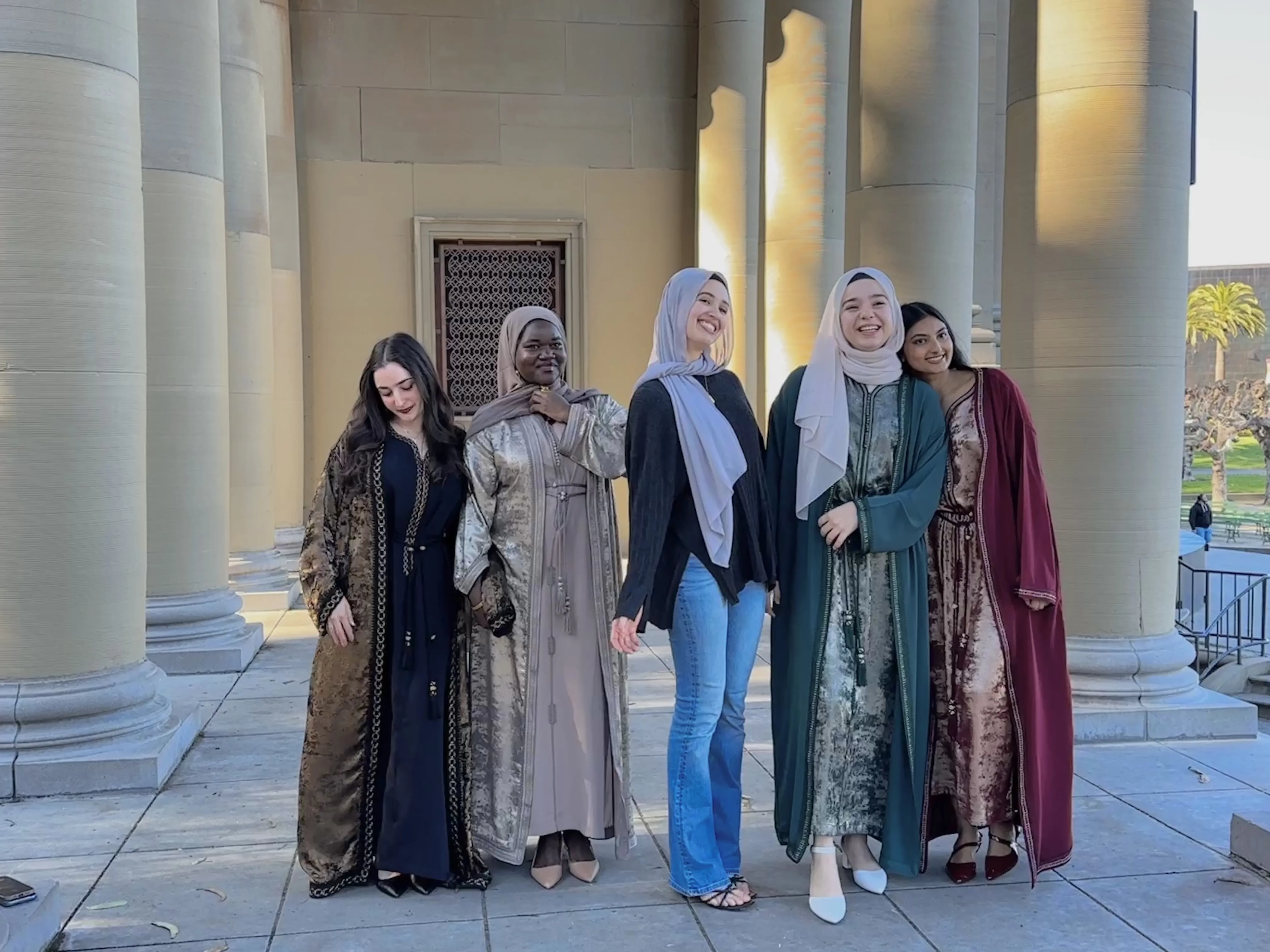
Yasmine Baker, a dedicated Cognitive Science student, is ingeniously intertwining her passion for Moroccan culture with her academic insights to establish a flourishing fashion label. She is the visionary founder of Ethnic Imprint, a distinctive clothing brand that showcases garments inspired by Moroccan traditions and handcrafted by skilled artisans. Each piece is meticulously crafted in Morocco, reflecting the brand's commitment to preserving local artistry while providing support to the talented craftspeople behind the work. Baker has successfully connected with a wide audience across California through a series of pop-up events and vendor fairs, where her designs have garnered significant interest and acclaim.
Baker attributes much of her creative process to her background in cognitive science, which profoundly influences her approaches to branding, design, and visual presentation. She highlights the role of the Berkeley Accelerator & Startup Incubator in Cognitive Science (BASICS) program in enhancing her entrepreneurial knowledge and providing her with a broader perspective on developing her startup. In a recent interview with Berkeley Social Sciences, Baker shared her inspirations for launching her brand and the impact of her cognitive science studies on her entrepreneurial journey.
From Inspiration to Creation: The Story Behind Ethnic Imprint
When asked about the essence of her business and the motivation behind her Moroccan-inspired attire, Baker explains that Ethnic Imprint is more than just a fashion brand; it is a celebration of culture, craftsmanship, and identity. Her connection to Morocco is deeply personal, stemming from her childhood summers spent in Rabat, where she immersed herself in the vibrant culture and rich heritage. Noticing a gap in the market for high-quality, feminine, and modest clothing in Southern California, Baker began designing her own outfits for special occasions. Collaborating with local artisans, she learned about traditional craftsmanship and the intricate details that define Moroccan garments, such as the elaborate 'sfifa' trims. This journey ignited her passion for artisanal work and inspired her to launch Ethnic Imprint, aiming to meet the rising demand for culturally authentic fashion while honoring Morocco’s rich cultural legacy.
Baker's design philosophy is rooted in her heritage, where she combines traditional forms and symbolism with modern aesthetics to create timeless pieces. Each collection begins with a seasonal color palette, and she pays meticulous attention to detail, ensuring that the flow and finish of each garment reflect the high standards she upholds. The recent launch of her fourth collection has been met with overwhelming enthusiasm, reinforcing her belief in the demand for authentic, culturally-infused fashion. She expresses that the most rewarding aspect of her journey is witnessing women wear her designs with confidence, which holds more significance than sales figures.
The Intersection of Cognitive Science and Entrepreneurship
Baker's academic journey at Berkeley has significantly shaped her business acumen. During her first semester, she took part in a cognitive science course that focused on entrepreneurship, allowing her to explore how cognitive principles can be integrated into business practices. This experience was pivotal, as it provided her with insights into consumer behavior, the nuances of perception, and the emotional impact of design elements such as color and texture. These lessons have directly informed her approach to branding and marketing, enhancing her ability to connect with customers on a deeper level. Baker's passion for cognitive science led her to continue her involvement with the BASICS program, where she now serves as a course reader, helping fellow students refine their ideas and pitches.
Reflecting on her entrepreneurial journey, Baker emphasizes that her experiences have broadened her vision and instilled a sense of intentionality in her business decisions. While she acknowledges the uncertainty of how this path will influence her future aspirations, she recognizes that embracing risk can unlock a myriad of opportunities. For students contemplating entrepreneurship, her advice is clear: accept that mistakes are part of the process and that the fear of failure should not hinder progress. She encourages aspiring entrepreneurs to start experimenting with ideas that resonate personally, as this authenticity often leads to meaningful solutions. Moreover, she underscores the importance of community support, which has played a crucial role in her growth and design evolution, reminding us that listening to and responding to customer feedback is vital for success.
As reported by ls.berkeley.edu.