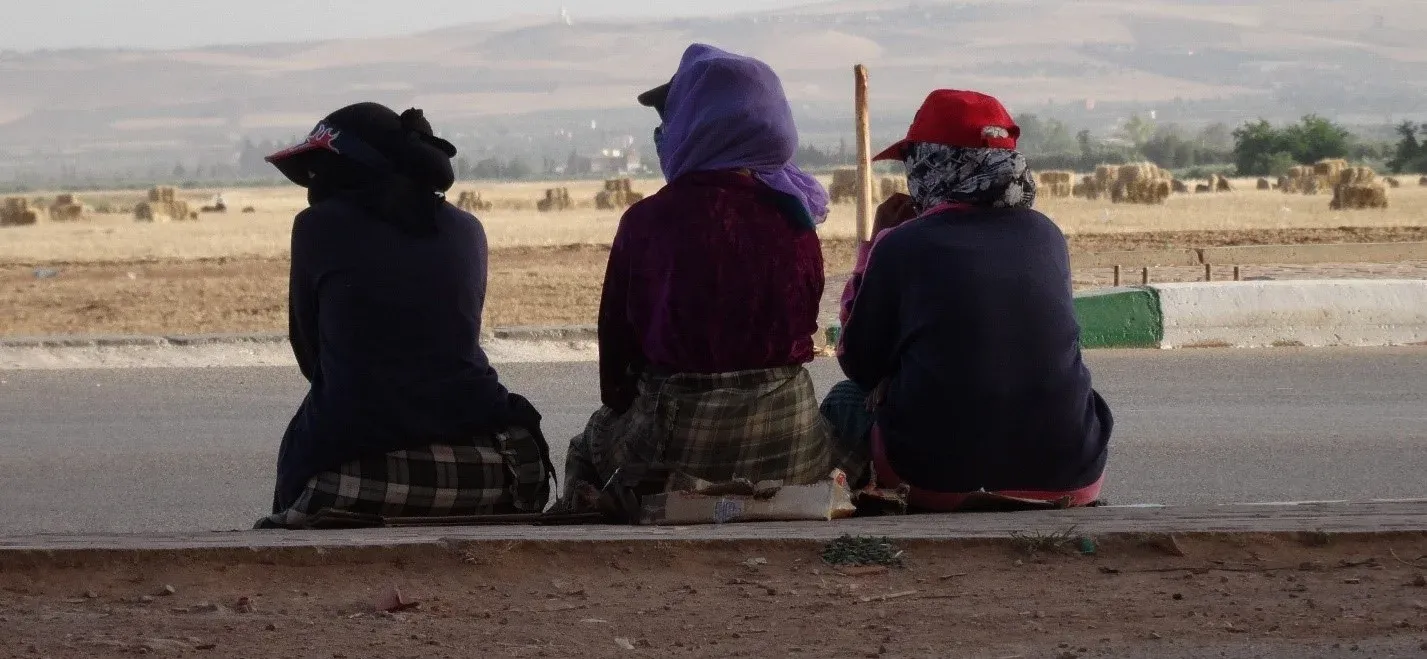

Youth Unemployment Crisis in Morocco
In Morocco, a staggering 2.9 million young individuals aged between 15 and 29 are classified as NEET (Not in Education, Employment, or Training). Alarmingly, 72% of this demographic consists of women and girls, according to a recent report by the High Commission for Planning (HCP), in collaboration with the International Labour Organization (ILO) and the European Union (EU). This report sheds light on the complex factors that contribute to this crisis, as analyzed by sociologist Hakima Laala, highlighting the dire situation that leaves a significant portion of the youth population on the brink of despair.
Understanding the NEET Phenomenon
The analytical report indicates that a large proportion of the NEET demographic lacks any qualifying diplomas, with nearly three-quarters of them having no formal qualifications at all. Furthermore, almost half of these individuals fall within the 25-29 age bracket, a critical transition phase from education to employment. This situation exposes the severe challenges surrounding youth integration into the professional world, underscoring a pressing need for targeted solutions that consider local contexts and realities. The data reveals regional disparities, with NEET rates ranging from 28% to nearly 40%, particularly higher in rural areas than in urban settings.
According to HCP, these findings necessitate tailored responses to address local contexts, relying on a nuanced understanding of these realities. The report emphasizes the importance of leveraging national statistics to inform public action regarding youth employment and the efficacy of policies aimed at this demographic. The NEET rate has remained persistent, showing a rate of 33.6% in 2023, similar to the 33% rate recorded in 2022, indicating that this issue remains a central focus within the New Development Model and aligns with the Sustainable Development Goal 8.6, aimed at reducing the proportion of NEET youth.
Econometric analysis confirms that education serves as a powerful defense against inactivity, with higher education dramatically decreasing the likelihood of exclusion, particularly for young women. However, there exists a troubling paradox: for young men actively seeking employment, vocational training degrees can significantly increase the risk of long-term unemployment. This indicates that while educational qualifications create aspirations, the job market often fails to meet these expectations, leading to a precarious cycle of job seeking.
Moreover, the risk of being NEET escalates sharply after the age of 24, rising from 25.6% among 15-24-year-olds to 50.2% for those aged 25-29. This emphasizes the crucial juncture where many young individuals transition from education to the workforce, often encountering failure.
The report also identifies marriage and the presence of young children as significant factors that increase the likelihood of young women becoming inactive. Laala notes that these statistics reflect a broader societal issue of "life detachment," particularly among those raised in dysfunctional family environments. She describes a troubling cycle of violence and instability that leads many young people to drop out of education and enter into a life with limited prospects.
In her analysis, Laala points to the intersection of poverty and the inability to foster a nurturing environment as critical challenges. The findings suggest that many young people drop out of education due to familial dysfunction, often linked to an absent father or a couple without a family plan, exacerbating their vulnerabilities.
Laala emphasizes the need for parental support to help guide children effectively through these extreme difficulties, advocating for comprehensive education that considers both emotional and economic aspects. Additionally, she highlights how violence in schools and the community further perpetuate cycles of disengagement and dropout, suggesting that collective action must address these underlying societal issues.
As reported by yabiladi.com.