The Ongoing Challenge of NEET Youth in Morocco
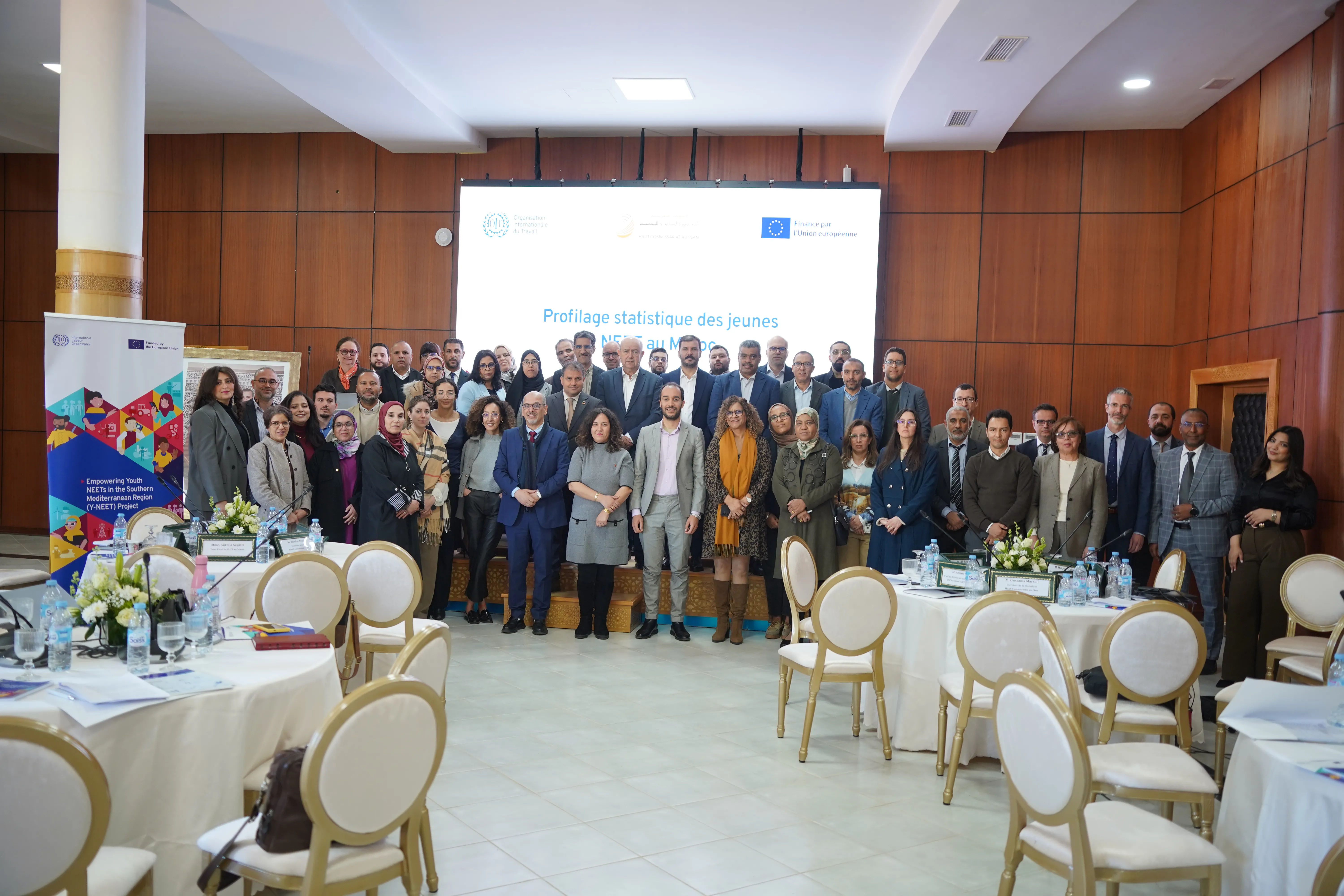
In Morocco, like many countries in the Middle East and North Africa, the issue of youth who are neither in employment, education, nor training (NEET) remains a significant structural challenge. Approximately one in three young individuals aged between 15 and 29 falls into this category, with particularly high rates among young women. A substantial portion of this population is inactive rather than unemployed, highlighting the persistent barriers to access economic and social opportunities. A recent report on NEET youth in Morocco sheds light on these pressing issues and was presented in Rabat on April 14, 2026. The report launch took place during a national workshop organized by the High Commission for Planning (HCP), in collaboration with the International Labour Organization (ILO) and the European Union, attended by representatives from public institutions, technical and financial partners, and civil society organizations.
The report marks a significant advancement in understanding the realities faced by NEET youth in Morocco. It reveals profound structural fractures affecting Moroccan youth and underscores that the NEET phenomenon cannot be addressed uniformly. The discussions prompted a strong call for a transformative shift in public action, grounded in detailed data and analyses, and necessitating differentiated responses. Ayache Khellaf, Secretary General of the HCP, emphasized the need for structural solutions to better align the needs of businesses with available profiles, reinforcing the importance of training, particularly through apprenticeship and models like the Delegated Management Institutes, which link education with the private sector. The commitment to enhancing the employability of youth is seen as crucial to harnessing their potential as a driving force for future growth.
Deepening Insights into the NEET Landscape
The report is based on data from national employment surveys conducted by the HCP, which refine the understanding of the profiles and trajectories of the youth involved. It highlights that lived experiences significantly differ based on gender, education level, geographic location, and proximity to support services and job opportunities. Currently, 2.9 million Moroccan youths aged 15 to 29 are neither employed, studying, nor in training. Within this overarching statistic, the report reveals deep-seated fractures: nearly 72% of NEET individuals are women, and around three-quarters lack any qualifying diploma. Almost half of these youths are between 25 and 29 years old, indicating an increased risk of transitioning into NEET status after the age of 24, a critical juncture in the transition from education to the labor market. Regional disparities are also pronounced, with NEET rates ranging from 28% to nearly 40%, calling for tailored responses that are grounded in a nuanced understanding of local realities.
The NEET issue is a significant concern both within the European Union and in Morocco, necessitating concrete actions from public authorities. Eric Trotemann, Head of Cooperation at the European Union Delegation to Morocco, expressed confidence that this analysis would effectively contribute to fostering a shared understanding, enhancing dialogue among stakeholders, and ultimately improving the effectiveness of public policies. Furthermore, the pragmatic approach of associations supporting NEET youth relies on close co-construction with businesses to train young individuals capable of meeting market demands and enhancing the competitiveness of Moroccan enterprises. Leila Benhima Cherif, President of the Heure Joyeuse Association, reiterated the importance of such collaborations.
Beyond diagnosis, this initiative aids in strengthening the use of national statistical data to inform public action. The discussions during the workshop also allowed for a deeper exploration of the operational implications of these findings, particularly concerning the coordination of interventions, adaptation to profiles, and coherence of responses. The profiling results will feed into reflections on the evolution of public employment services and contribute to the national debate on improving targeting, coherence, and impact of public policies aimed at youth.
As reported by ilo.org.