Financial Strategies for World Cup 2030 in Casablanca
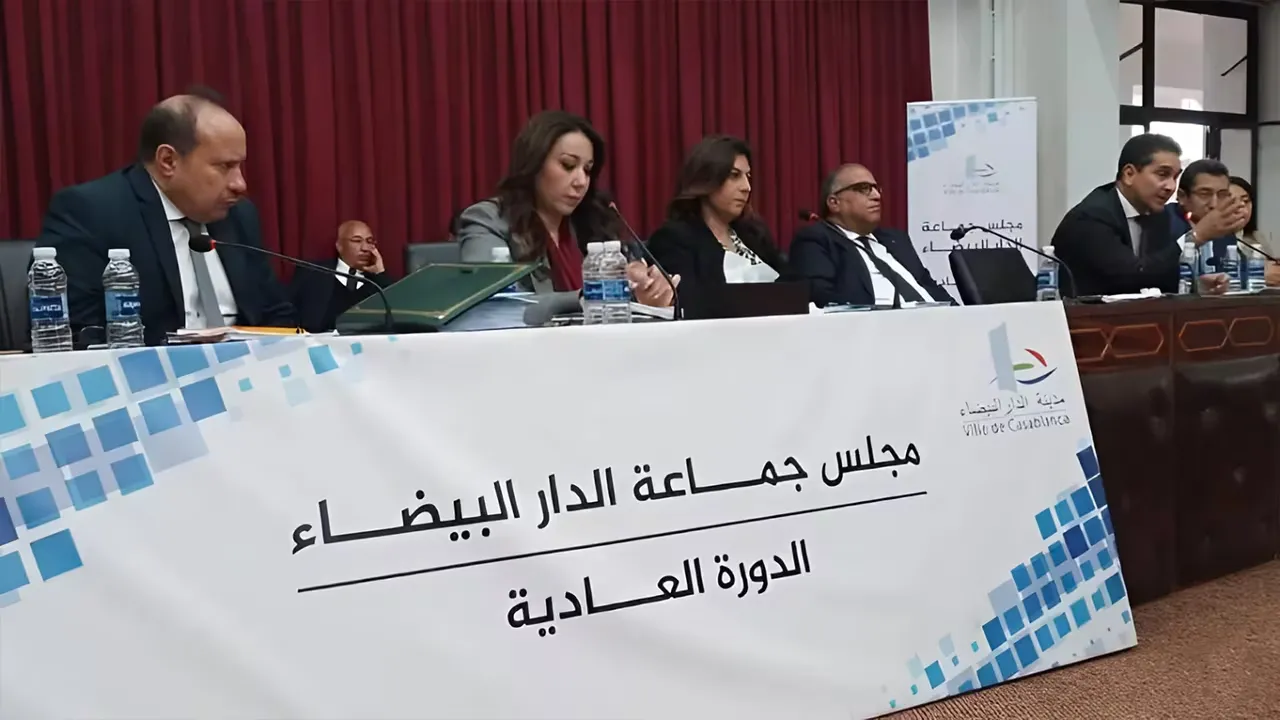
As the vibrant city of Casablanca gears up for the monumental World Cup 2030, it finds itself embroiled in a crucial financial debate within its communal council. The pressing need for immediate investment, estimated at 800 million dirhams for infrastructure by 2027, has led to discussions about pursuing an external loan of 2.5 billion dirhams. The funds are earmarked primarily for vital infrastructure projects, road improvements, and enhanced access to the metropolis, all of which are essential as the countdown to 2030 accelerates.
This financial deliberation comes at a time when the municipality faces increasing pressure to complete the necessary projects on schedule. The local revenue streams appear inadequate to meet the investment demands, which are projected at around 800 million dirhams solely for the 2027 equipment budget. The latest municipal budget proposal reveals a persistent financial strain, with operational expenses soaring to over 5.35 billion dirhams, coupled with loan repayment obligations nearing 426.28 million dirhams.
Despite a considerable budget increase of 2 billion dirhams since 2022, the financial allocation remains insufficient against the backdrop of mandatory expenditures that continue to consume nearly all available resources. This persistent financial challenge has revived discussions about a potential new loan from international financial institutions, as well as the initiation of calls for expressions of interest. As reported by the daily newspaper _Assabah_, the internal deliberations within the council indicate that the loan proposal has not reached unanimous support; some members express reservations regarding further financial commitments, while others advocate for rapid decision-making to initiate necessary procedures.
The discord transcends the principle of borrowing funds and extends to the prioritization of the municipality's financial strategies and its ability to balance accelerated investments with maintaining financial stability. While securing external financing could facilitate access to crucial funds expeditiously, concerns linger regarding the loan's costs, repayment terms, and its ramifications for future budgets. Advocates for the loan cite favorable indicators, including a moderate current debt ratio that does not exceed 8% of the budget.
Alongside the loan option, the issue of utilizing municipal assets has resurfaced as a potential avenue for bolstering local resources. The city possesses a significant portfolio of land and commercial properties, which could be leveraged to enhance revenue. Ongoing discussions are expected to further clarify financial planning, delineating project costs, loan conditions, repayment schedules, and the anticipated revenues from asset utilization.
As reported by fr.le360.ma.