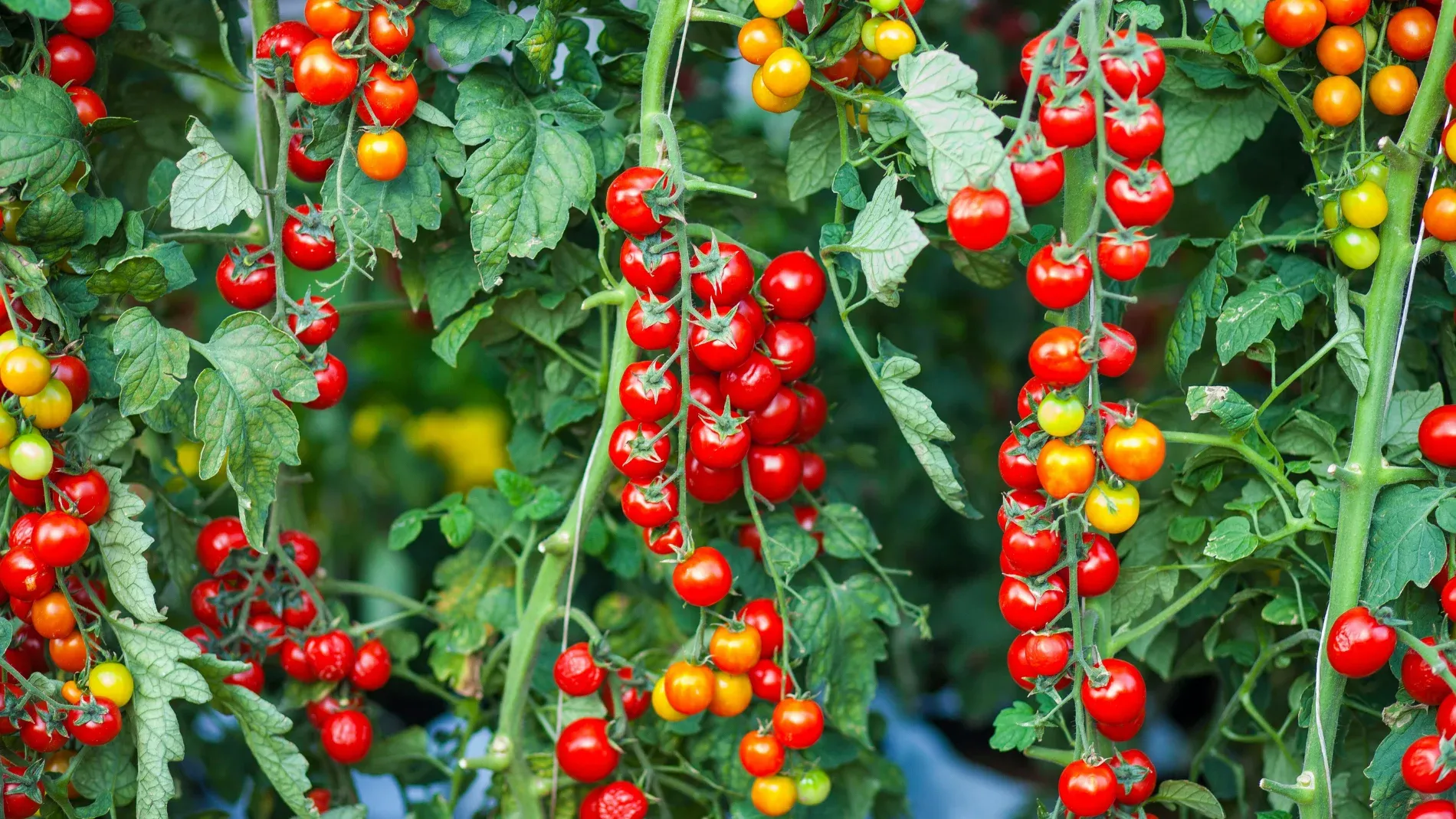
Spanish Cherry Tomato Sector Faces Decline Due to Moroccan Competition
The cherry tomato cultivation in Spain is experiencing a significant reduction in acreage, with industry representatives highlighting the competitive pressures from Morocco as a contributing factor. This concern was brought to the attention of European authorities during a crucial meeting of the Tomato Expert Group of the European Commission on October 15, where the challenges faced by producers and the evolving market dynamics were thoroughly discussed.
According to a statement released by FEPEX on October 19, the Spanish delegation emphasized that this decline is particularly pronounced in the loose cherry tomato variety. They attributed the loss of cultivation area to the stark differences in labor costs and regulatory conditions between Spain and Morocco. Furthermore, the low prices of Moroccan tomatoes are putting additional pressure on the pricing of Spanish tomatoes, making it increasingly difficult for local producers to compete.
Rising Costs and Market Pressures in Spain's Tomato Production
This alarming trend emerges during a campaign where selling at higher prices has not translated into a corresponding increase in profitability for farmers. Producers are grappling with rising costs associated with energy, transportation, and packaging, with reported increases of 16% in energy and transport costs compared to what is considered normal. In the realm of plastics, packaging, and containers, the increase reported was even higher, reaching 18%. Consequently, despite favorable selling prices throughout the campaign, the margins for farmers have not improved to the same extent, highlighting the economic challenges faced by the sector.
For the 2025/2026 campaign, the overall balance for Spanish tomatoes indicates a relatively stable cultivation area, yet a production decline of nearly 2% has been noted. This stability in acreage contrasts sharply with the specific loss of ground experienced by cherry tomato producers. Factors contributing to this decline include the use of virus-resistant varieties that yield lower outputs, phytosanitary issues, and adverse weather conditions. Nevertheless, the delegation underscored that the sector has managed to meet its commercial commitments amidst these challenges.
Moreover, representatives from Belgium, the Netherlands, and Poland shared their experiences of difficulties stemming from heat waves, rainfall, and viral outbreaks, emphasizing the significant impact of energy costs on their operations. The competition from third countries was also a shared concern during the discussions. The meeting further explored market prospects extending to 2035, with an independent study commissioned by FEPEX forecasting a potential 1.2% decline in Spanish production, attributed to external competition, high costs, and challenges in sourcing labor. The shifting consumer behavior, particularly in France where increased tomato consumption due to warmer temperatures was later curtailed by rising prices, reflects the broader trend of reduced vegetable consumption in Spain, which saw a 0.5% drop.
As reported by larazon.es.