Algeria's Recent Promotional Video Stirs Debate Over Moroccan Heritage
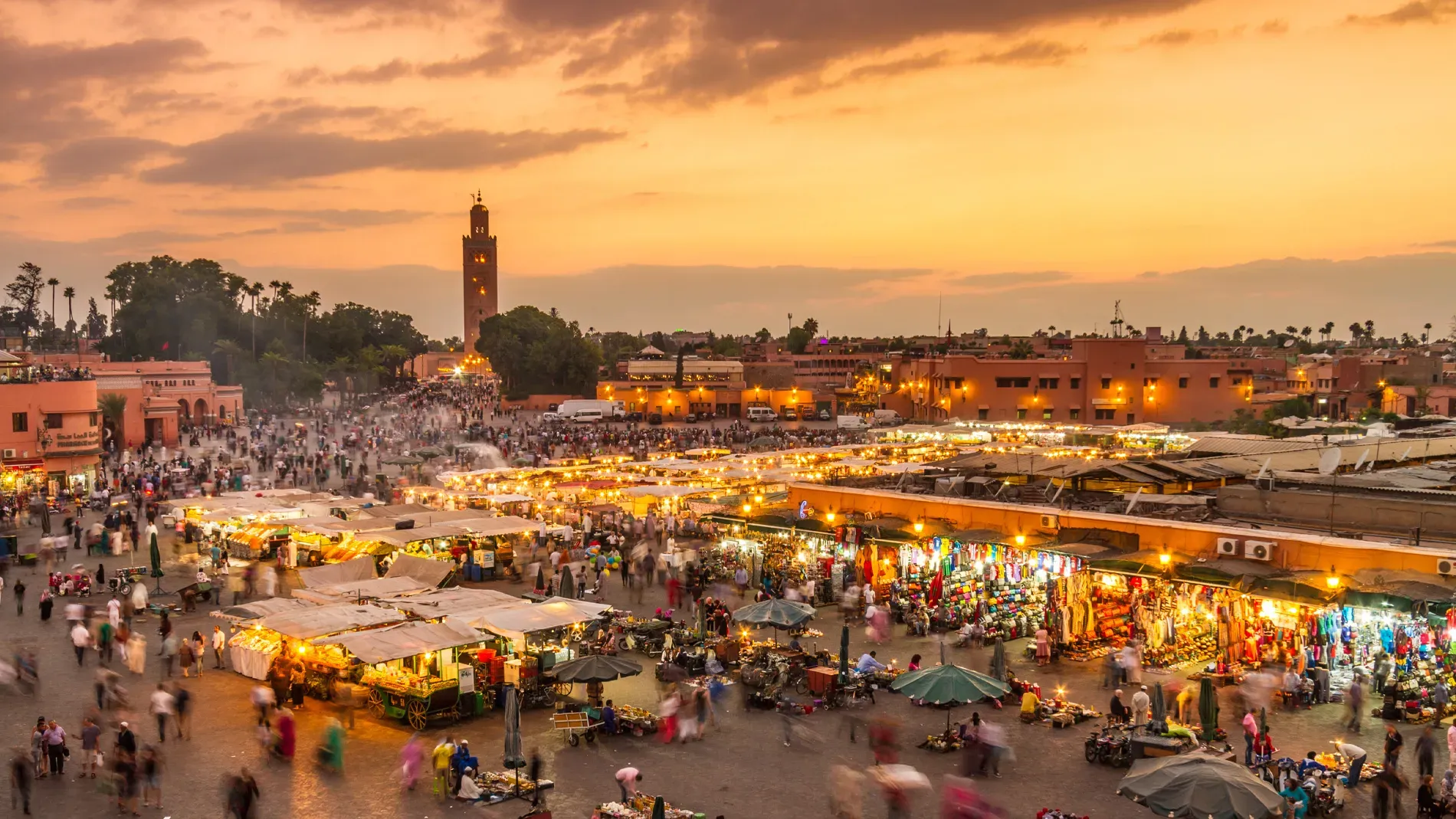
The recent promotional video published by the Algerian Ministry of National Defense on their official account on the platform "X" has ignited a fresh wave of controversy regarding the use of Moroccan historical and cultural landmarks in Algeria's official media materials. The video prominently featured scenes of the iconic Jemaa el-Fnaa square and the Koutoubia Mosque's minaret in Marrakech, juxtaposed against Algeria's narrative of supporting African nations and contributing to the continent's development and security.
The inclusion of these significant Moroccan sites raised questions beyond mere visual choice, especially considering the history of disputes between the two nations regarding the documentation of cultural heritage elements and their historical attribution. Jemaa el-Fnaa is not just any site; it is a historic space deeply intertwined with the daily life of Marrakech. For centuries, it has served as a vibrant hub for trade, storytelling, music, and popular art forms. In recognition of its cultural significance, UNESCO designated Jemaa el-Fnaa as a Masterpiece of the Oral and Intangible Heritage of Humanity in 2001, later adding it to the Representative List of the Intangible Cultural Heritage of Humanity in 2008.
Similarly, the Koutoubia Mosque’s minaret, dating back to the 12th century, stands as one of the most prominent architectural landmarks in Marrakech, linked to the ancient city, which has been listed as a UNESCO World Heritage site since 1985. This means that the visuals presented in the Algerian Defense Ministry's video are not mere transient landmarks or sites whose identities are ambiguous; they represent two significant symbols of Morocco's historical and architectural memory, thereby explaining the sensitivity surrounding their inclusion in this context.
Ongoing Cultural Disputes Between Morocco and Algeria
This incident recorded by a "state institutional" video from one of Algeria’s leading government entities brings back to the forefront the obsession of President Abdelmadjid Tebboune, who also serves as Minister of Defense, along with Chief of Staff Saïd Chengriha, with Moroccan heritage. This situation does not occur in isolation, as it reflects the recurring tensions between Morocco and Algeria over cultural heritage. In recent years, disputes have evolved from political and diplomatic issues to disagreements over elements of popular, artistic, and craft heritage, including Moroccan tilework (zellij), the caftan, couscous, and traditional music.
Each dispute has varied in nature, ranging from disagreements over the origins of shared practices in the Maghreb region to official Moroccan objections regarding the use of Moroccan images, motifs, or attire in promotional materials or heritage nomination files attributed to Algeria. A notable instance occurred in 2022 when a design presented by Adidas for a collection associated with the Algerian national football team was criticized by the Moroccan Ministry of Youth, Culture, and Communication, which claimed that the designs were inspired by Moroccan tilework. This led to a legal warning issued to the company, igniting a broader discussion about the distinction between being inspired by historical architectural elements and presenting them in a manner that could create confusion regarding their cultural origins.
Ultimately, Adidas announced a positive resolution to the dispute following discussions with the Moroccan Ministry of Culture, affirming its respect for the Moroccan people and artisans. Despite not being an international dispute between two states, this case became one of the most significant moments where the discussion around Moroccan tilework transitioned from social media platforms to official and legal channels, accompanied by debates over cultural identity, traditional crafts, and the rights to use heritage designs.
The controversy resurfaced in 2024 when Morocco's Ministry of Youth, Culture, and Communication filed a complaint with UNESCO regarding an Algerian file related to women's celebratory attire and embellishment skills, asserting that it included images and video showing the Moroccan caftan, specifically the "nateh" type, known for its ties to the traditional Fassi craft. In December of that same year, Morocco's ministry announced that UNESCO's intergovernmental committee for the safeguarding of intangible cultural heritage accepted Morocco's objection and decided to withdraw the image of the Moroccan caftan from the concerned Algerian file, a decision that came after the Moroccan mission's protest, supported by data regarding the origin of the image used.
As reported by assahifa.com.