The Dire Situation in Gaza and Morocco's Support
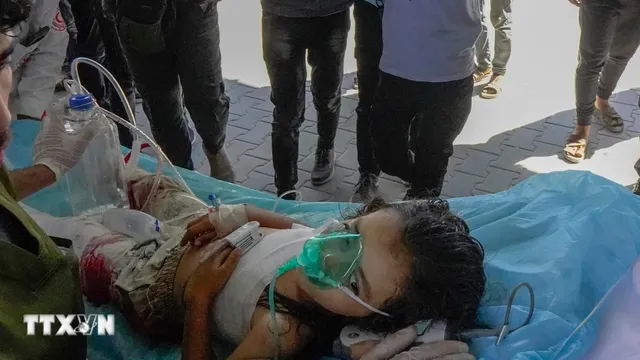
The humanitarian crisis in Gaza is intensifying, with the United Nations forced to implement drastic cuts to food aid just as Morocco has taken significant steps by training 500 soldiers for the International Stabilization Force (ISF). As preparations for the deployment of the ISF continue despite obstacles in executing the U.S.-backed peace plan, the humanitarian situation in the region is increasingly alarming. Funding shortfalls are compelling the UN to reduce food assistance severely, especially with winter approaching, leaving many vulnerable.
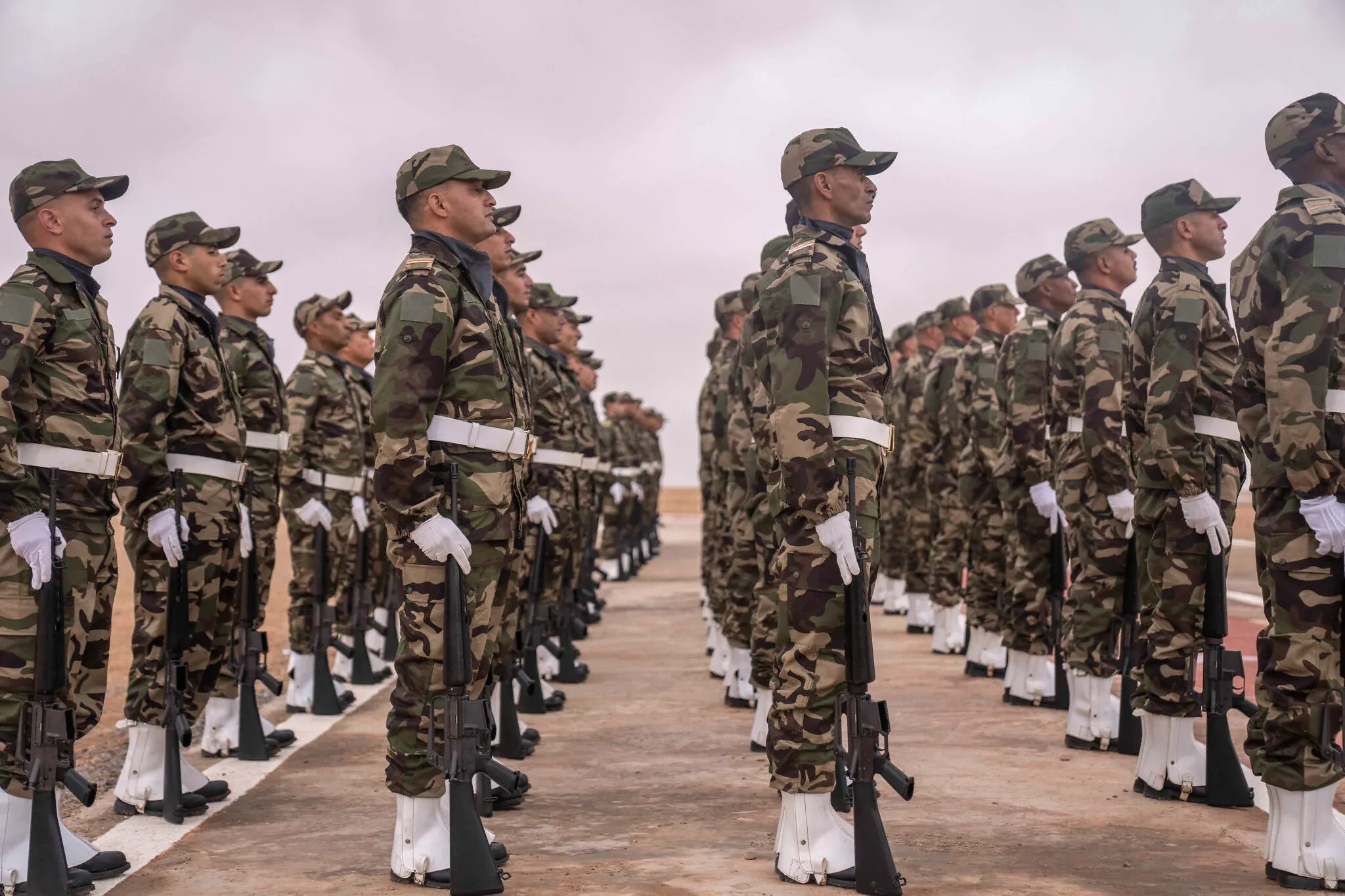
According to a correspondent from the Vietnam News Agency in the Middle East, a representative from the Peace Council announced on October 19 that Morocco had trained approximately 500 soldiers for their deployment to the Iraqi Security Forces (ISF) in Gaza. The U.S.-led ISF organized training began at the end of August, although it remains unclear if this training has been completed. In February of this year, Morocco committed to sending police and military personnel to participate in post-conflict operations in Gaza, becoming the first Arab nation to make such a public commitment. While Albania and Kazakhstan have also pledged troops to the ISF, Morocco is expected to be the first among these nations to deploy forces to Gaza.
Challenges to Peace and Humanitarian Aid
However, the implementation of the peace and reconstruction plan continues to face numerous challenges. On October 18, Israeli Prime Minister Benjamin Netanyahu reiterated his stance that Gaza cannot be rebuilt until Hamas is disarmed and the area demilitarized. Although Israel has approved some infrastructure projects funded by the United Arab Emirates (UAE) for housing displaced Palestinians in southern Gaza, many other initiatives remain on hold due to lack of permits.
Meanwhile, the food supply situation in Gaza is deteriorating due to a serious funding shortfall. As reported by the Vietnam News Agency correspondent at the United Nations, the World Food Programme (WFP) announced on October 19 that it would need to cut its assistance by approximately 30%, directly impacting around 500,000 people as winter approaches. In October, the WFP was only able to assist 1.1 million of the most vulnerable individuals in Gaza, down from 1.6 million the previous month. Aid deliveries have been halved, cash assistance for 75,000 households has been reduced, and the number of daily hot meals distributed has decreased from 250,000 to 150,000.
The WFP continues to support bakeries that provide about 30% of the bread needs in Gaza, supplying food to 300,000 women and children, and supporting 200,000 students with school snacks. According to WFP, approximately 67% of Gaza's population, or 1.4 million people, are facing acute food insecurity, reaching or exceeding crisis levels. About 200,000 individuals remain in emergency situations, urgently requiring food aid. Additionally, over 80% of the population is unemployed, and only one in five children has access to at least a minimally diverse diet.
The WFP warns that improvements in food security achieved following the ceasefire agreement in October 2025 remain fragile and could quickly be undone if funding continues to decline. The organization is appealing to the international community for urgent additional resources to maintain emergency assistance and prevent the increasing risk of malnutrition among young children, as well as pregnant and breastfeeding women.
As reported by vietnam.vn.