EU's Response to Migrant Crisis in Ceuta
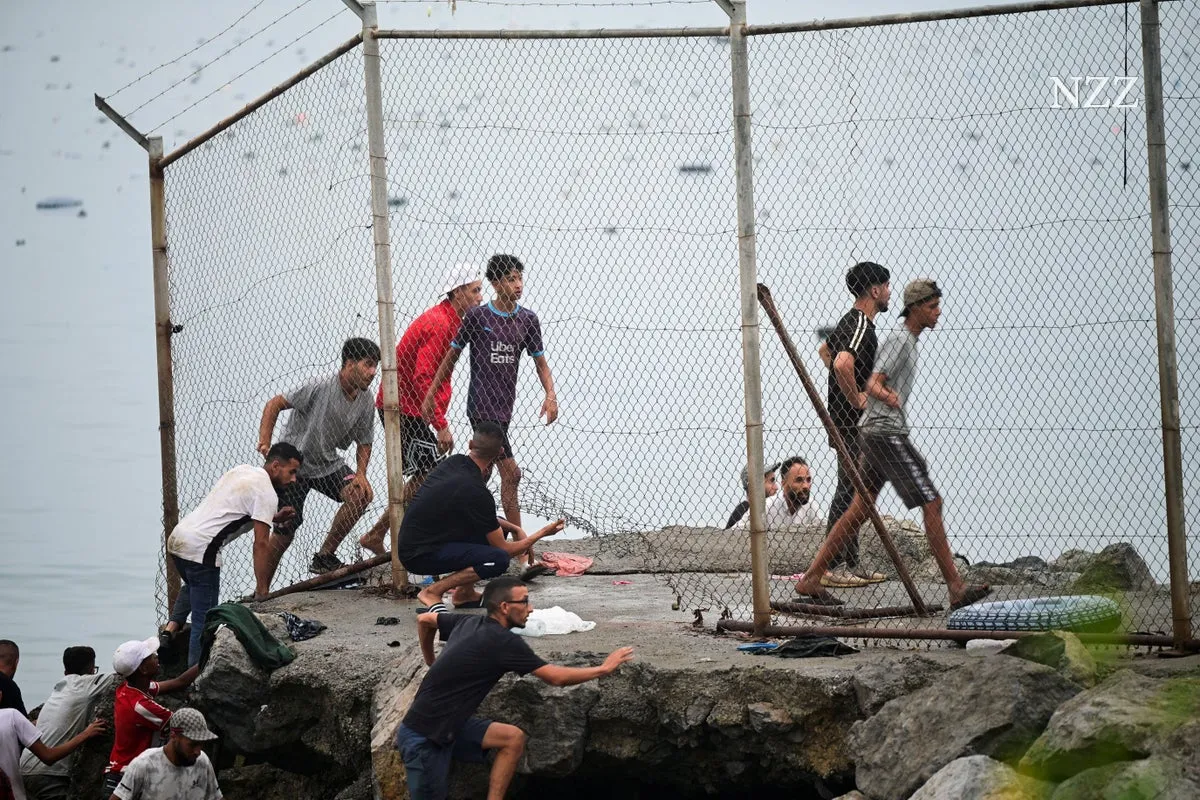
In the summer of 2023, Spain's northern African enclave of Ceuta experienced an unprecedented surge as approximately 80,000 migrants crossed the border irregularly, highlighting vulnerabilities in the European Union's border management systems. This sudden influx not only caught the EU off guard but also sparked intense debates among member states, revealing deep-seated disagreements over migration policies and border security. Spanish Prime Minister Pedro Sánchez faced mounting criticism from fellow EU leaders, who accused Spain of exacerbating the situation by offering regularized status to irregular migrants earlier in the summer. The tragic events that unfolded during this crisis, which resulted in numerous fatalities, have prompted EU officials to take decisive action to prevent a recurrence of such incidents.
In a bid to enhance preparedness and response capabilities, the European Commissioner for Migration, Magnus Brunner, announced plans to significantly expand the mandate and resources of Frontex, the EU's border protection agency. According to Brunner, "We must respond before such a crisis arises," indicating a proactive approach to managing migration flows. The proposed enhancements include a more robust analysis of social media platforms and other information sources to detect emerging migration trends in real-time. Furthermore, the EU plans to designate Frontex as a 'Trusted Flagger', allowing the agency to identify and request the removal of misleading information related to migration from social media channels.
Expanding Frontex: Funding and Staffing Challenges
While the measures proposed by the EU Commission appear straightforward, the plan to significantly increase Frontex's staffing levels is expected to be contentious. Currently based in Warsaw, the agency's workforce is set to double from 3,000 to 6,000 personnel, with an additional specialized European border and deportation force of 17,000 individuals envisioned. These professionals will remain employed by national authorities but can be mobilized swiftly in emergencies, a significant increase from the previously planned 7,000 personnel by 2027. If these ambitious plans materialize, the total number of individuals working for Frontex could triple to 30,000, including a rapid response unit capable of addressing migration crises within 24 hours of a request from an EU member state.
Another critical aspect of the EU Commission's proposal involves granting Frontex the authority to carry out the return of migrants from one third country to another, contingent upon the agreement of the involved nations. However, the success of these proposals hinges on the approval of EU member states and the European Parliament, as there is considerable apprehension surrounding the budgetary implications of such expansions. Specifically, the EU Commission has earmarked 11.8 billion euros for Frontex in the upcoming seven-year budget from 2028 to 2034, effectively doubling the current allocation. This request comes amid ongoing negotiations among EU member states regarding overall budget reductions, with several countries, including Germany, advocating for significant cuts totaling hundreds of billions.
The expansion of Frontex is further complicated by the need for even greater financial commitments from associated Schengen countries, such as Switzerland. While the Swiss contributions to Frontex were 24 million Swiss francs in 2021, they are projected to rise to 45.6 million francs this year. The Federal Office for Customs and Border Security (BAZG) has yet to provide an assessment of the EU Commission's proposal, emphasizing the need for a thorough analysis of its implications for Switzerland.
As discussions within the EU continue, the political landscape remains fraught with tension, particularly following recent amendments to asylum laws that allow for the detention of minors and families for up to 24 months. With thousands of Moroccan migrants still facing dire conditions in Ceuta, including improvised shelter and inadequate living conditions, the urgency for a coherent and effective migration response has never been more pressing.
As reported by nzz.ch.