Dynamic Political Landscape in Morocco
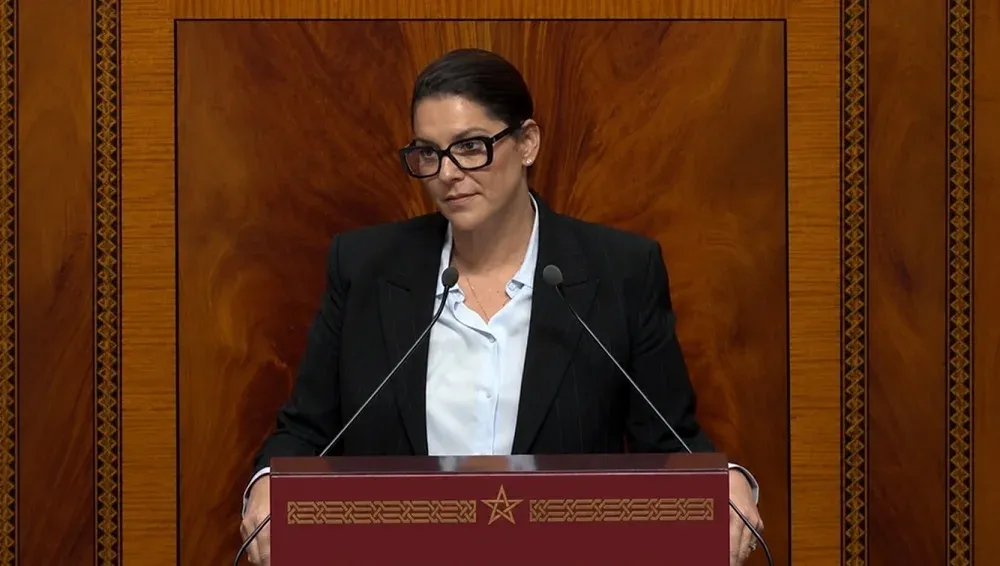
The political scene in Morocco is currently undergoing a notable transformation as Fatima Zahra El Mansouri steps into her role as the first female Prime Minister, succeeding Aziz Akhannouch. This shift has generated considerable attention and engagement on social media platforms, with the contrasting backgrounds of both leaders—Akhannouch being a businessman and El Mansouri a lawyer—fueling discussions around the implications of their differing approaches to governance. The public is particularly focused on how this change will influence political discourse, the relationship between the head of government and various parliamentary groups, and the overall effectiveness of El Mansouri’s administration.
Engagement and Substance in Political Discourse
As the legislative term begins, it is essential to recognize the substantial opposition that has emerged, which balances the majority's numerical strength with the qualitative weight of its arguments. This scenario has created a vibrant atmosphere of political contestation that extends beyond the walls of Parliament and into the realm of social media, where parties like the Authenticity and Modernity Party and the Justice and Development Party actively engage in discussions and disputes. The public appears to be drawn not only to the substantive issues being debated—such as the government program and the draft Finance Bill—but also to the nature of exchanges between political figures. While some confrontations can be entertaining and serve as a release of political tension, it is crucial that these debates maintain a level of decorum that respects the public's sensibilities.
Moreover, the ongoing concerns regarding the rising cost of living and societal insecurity have heightened public interest in the decisions made by the government, particularly among the middle class and youth who rely heavily on digital platforms for information and clarification. This demographic is eager to understand the implications of proposed measures, especially those that may affect their daily lives. However, there is a risk that the political discourse may devolve into mere spectacle, distracting from the critical and constitutional nature of the discussions at hand. Incidents such as the exchange of drug-related accusations among MPs exemplify this concern, as they not only undermine the seriousness of parliamentary proceedings but also risk damaging Morocco's international reputation.
As the political landscape in Morocco continues to evolve, the influence of social media on parliamentary discourse cannot be overlooked. The ability of political parties to mobilize support online has become increasingly important for electoral success, particularly with municipal elections on the horizon. However, not all parties harness this potential equally, with some, like the Justice and Development Party and the Unified Socialist Party, maintaining a more prominent digital presence than others. For traditional political parties, remaining disengaged from the digital sphere poses a significant risk of marginalization in a rapidly changing political environment.
In conclusion, while the current political climate in Morocco presents opportunities for revitalizing political life and engaging the public through social media, it also carries the risk of overshadowing substantive debate with spectacle. Sustaining public interest in parliamentary work will depend on the ability of political actors to foster meaningful discussions that resonate with citizens, rather than relying solely on performative engagements that may ultimately detract from the core issues at stake.
As reported by en.yabiladi.com.