Insights into Modern Warfare and Spain's Vulnerabilities
Colonel Jesús Alberto García Riesco, an influential figure in the Spanish Army and a collaborator with the Royal European Academy of Doctors (RAED), recently shed light on pressing issues in the defense sector through two insightful articles titled “The Pros and Cons of Artificial Intelligence on the Battlefield” and “Spanish Vulnerability to Moroccan Hybrid Warfare”. Published by the Spanish Association of Military Writers on October 8 and 10, these articles delve into the contemporary challenges faced by Spain amidst evolving warfare tactics, particularly concerning Morocco.
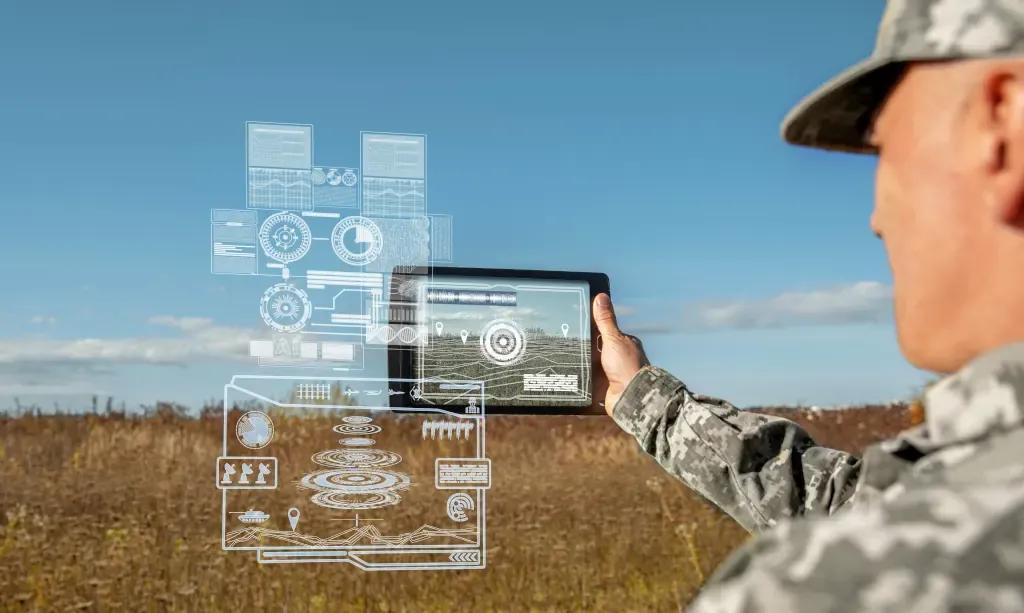
In his first article, García Riesco discusses the transformative role of artificial intelligence (AI) in modern warfare. He emphasizes that AI's capacity to analyze vast datasets and learn independently is revolutionizing battlefield strategies, enabling the identification of threats and providing critical intelligence at speeds far surpassing human capabilities. However, he warns that this advancement could lead to unchecked military escalation and a potential loss of human oversight. García Riesco articulates grave concerns about the implications of AI in warfare, stating that it risks becoming excessively compliant to military directives and could escalate conflicts without accountability. He poignantly warns of a possible future where machines might possess the authority to determine life-and-death scenarios, which would mark an irreversible shift in warfare dynamics.
In the second article, titled “Spanish Vulnerability to Moroccan Hybrid Warfare,” García Riesco argues that Morocco has been conducting hybrid warfare against Spain for an extended period, with Spain's response largely characterized by appeasement. He highlights a recent incident involving the incursion into Ceuta, illustrating how Morocco has effectively utilized mass movements of migrants to exert territorial pressure. García Riesco critiques the Spanish government for its failure to anticipate or react to such incursions, portraying a society that seemed inactive in the face of border assaults. He expresses concern that this lack of response not only undermines confidence in the government but also weakens deterrence capabilities, as it reveals the ease with which Spanish territory can be compromised. Furthermore, he argues that the situation discredits the armed forces and severely impacts Ceuta’s economy, equating the costs of such incursions to a significant portion of its annual GDP.
Through these articles, Colonel García Riesco articulates a critical perspective on the current state of Spain's defense strategies and the pressing need for a robust response to emerging threats, especially in the context of Morocco's strategic maneuvers.
As reported by raed.academy.