Addressing Social Isolation and Promoting Community Integration
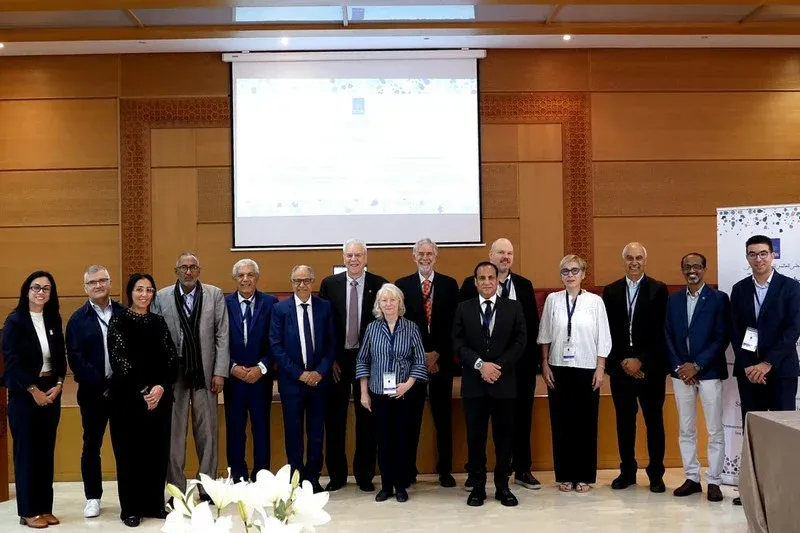
The recent International Conference organized by the International Council on Social Work (ICSW) in Marrakech, Morocco, under the theme "From Exclusion to Belonging," has brought to the forefront critical issues regarding social isolation and community integration. Participants emphasized the need for governments to recognize these issues as vital public policy concerns, urging for their incorporation into national and local strategies focusing on social development, health, and housing. The 'Marrakech Declaration', adopted by conference attendees, highlighted that social isolation and a sense of loneliness, vulnerability, and exclusion affect individuals and communities globally. The rapid urban expansion, demographic shifts, migration, changes in family structures, and the widespread use of digital communication have drastically altered how individuals and communities interact and maintain their social ties.
The declaration further noted that while technology presents new opportunities for collaboration and networking, it can also exacerbate exclusion when access and digital skills are unevenly distributed. Social exclusion is often intensified by overlapping forms of vulnerability, including disability, economic insecurity, and geographical isolation, creating additional barriers to accessing essential services and fully participating in society. In response, the declaration called on governments to adopt national strategies and support their local implementation aimed at promoting social cohesion and combating isolation through coordinated policies across social services, health, housing, education, and digital inclusion, ensuring access to comprehensive social protection systems and sustainable funding for community participation.
Fostering Inclusive Communities and Social Connections
The Marrakech Declaration also urged local governments to transform neighborhoods into spaces where individuals feel a sense of belonging by assessing social isolation at the local level and involving residents in decision-making processes. Civil society organizations were called upon to strengthen mutual aid networks, amplify the voices of those affected by exclusion, and build enduring partnerships with public authorities. Furthermore, universities and research centers were encouraged to produce comparative studies from Europe and the MENA region, evaluate interventions, and train social work professionals. The private sector and digital industry stakeholders were invited to design accessible and inclusive services, protect personal data, and uphold their social responsibilities.
Moreover, the declaration emphasized that belonging is a shared good, and social communication should be a priority in public policies alongside health, education, employment, and housing. It highlighted the necessity of respecting belonging, individual choice, cultural identity, and diversity, including the right to opt-out of participation without losing access to services or entitlements. The final document stressed that effective responses to social isolation and exclusion should be based on international experiences in community development initiatives that empower individuals to transition from service recipients to active participants in neighborhood life, mutual support, and collective decision-making. It also called for an examination of the applicability of these approaches in various national and local contexts, considering cultural diversity and the specific needs and capacities of each community.
Participants at the conference emphasized the importance of proactively addressing demographic transformations, including an aging population, changing family structures, and internal and international migration, when planning social services and local facilities, relying on data from national and local statistical systems. They reiterated the need to recognize and support community resources that are often overlooked, such as neighborhood networks, family caregivers, volunteers, community associations, and traditional forms of mutual cooperation, like "Tawiza" in the Maghreb countries. The conference urged global leaders to promote a solidarity-based approach to aging through integrated strategies that combine social protection, home care, community proximity services, and measures to prevent the isolation of elderly individuals, especially where familial bonds are weakening.
In conclusion, the ICSW announced its commitment to compiling a set of inclusive practices from Europe and the MENA region that document the experiences shared in Marrakech and delineate the necessary conditions for adapting and transferring these practices to other contexts. This initiative will be integrated into the global agenda for social work and social development for the years 2020 to 2030, in collaboration with partner organizations. The international conference also facilitated the exchange of national and local experiences regarding social inclusion from Morocco, Egypt, Tunisia, Mauritania, Lebanon, Germany, Spain, Finland, Georgia, Ireland, Norway, Portugal, Sweden, India, Austria, and the Republic of Korea.
As reported by hespress.com.