Morocco's Sila Atlantik Project: A Leap Towards Renewable Energy
The Sila Atlantik project is making significant strides in Morocco's renewable energy landscape, as planners work diligently to establish solar and wind parks across a sprawling area of 1,500 square kilometers. This ambitious project aims to generate an impressive 15 gigawatts of power, supported by substantial battery storage facilities necessary for such an undertaking. A standout feature of this initiative is its plan to transmit electricity generated in the Sahara Desert across a distance of 4,800 kilometers via two direct current cables, collectively boasting a capacity of 3.6 gigawatts, reaching all the way to Germany.
The estimated cost of this monumental project is about 40 billion euros, with expectations to commence electricity delivery through the first cable by the mid-2030s, followed by the second cable anticipated to be operational by 2038, coinciding with Germany's phase-out of coal energy.
Thies Clausen, who leads the communications department at Sila Atlantik, acknowledges the significant risks associated with a project of this magnitude. In an interview with the Austrian daily newspaper, DER STANDARD, he remarked on the transformative potential of Sila Atlantik, suggesting that it could finally realize the long-discussed concept of connecting power generation and consumption centers over vast distances.
Technical Viability and Historical Context
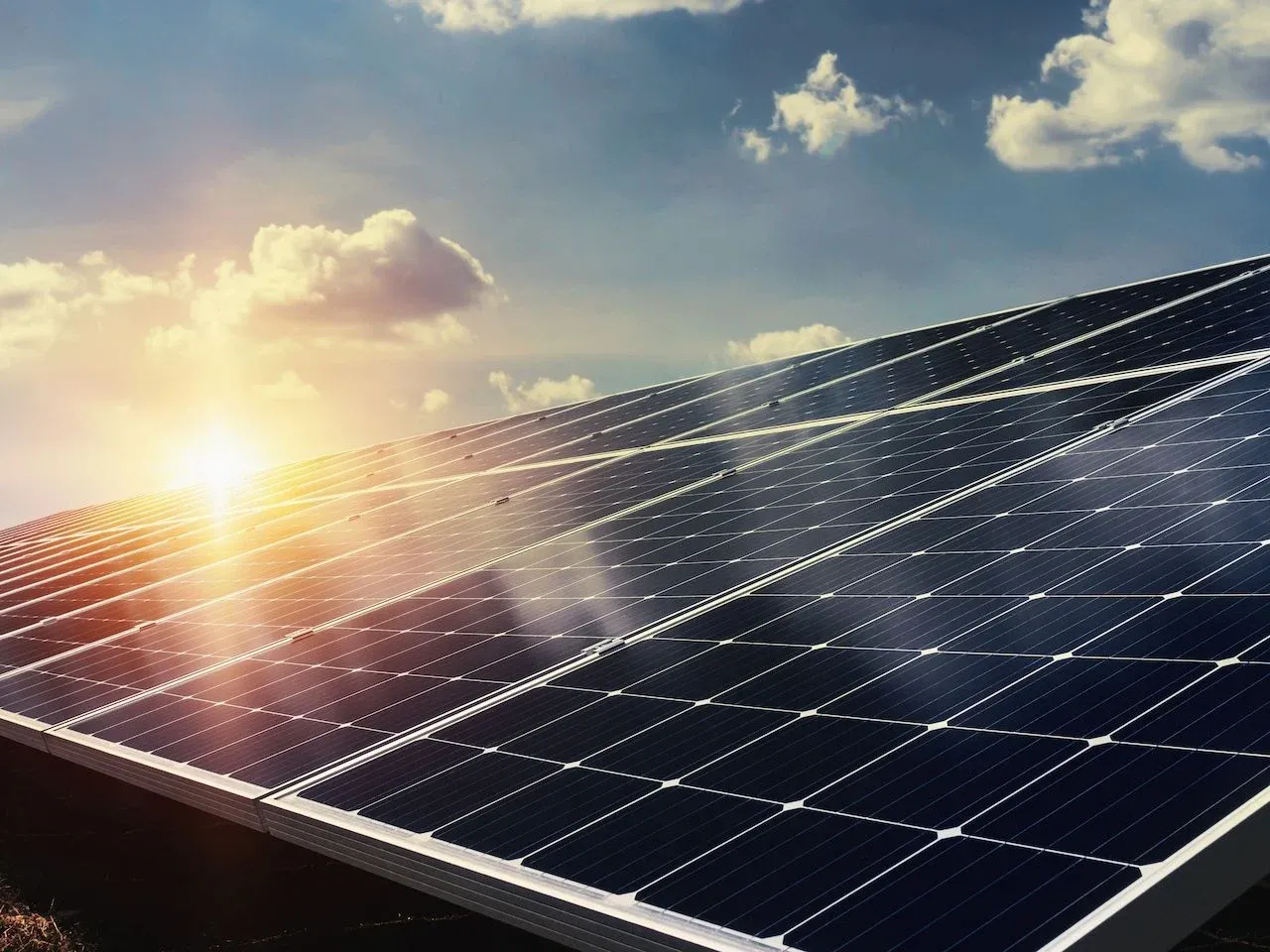
The underlying concept of this project is technically grounded in the potential energy yield from solar power. Specifically, a square meter of photovoltaic cells in southern Morocco can receive approximately twice the amount of solar energy compared to a similar area in Central Europe. With ample space available in the southern Sahara and minimal concerns regarding neighboring disruption, Sila Atlantik appears well-positioned for success.
Historically, the idea of harnessing desert solar energy has been explored for over two decades. German physicist Gerhard Knies once marked a significant area of 130 by 130 kilometers on a map of the Sahara, theorizing that solar power plants within this region could provide clean energy for all of Europe. However, past initiatives such as the DESERTEC industrial initiative faced challenges, leading to its eventual decline as participants withdrew and the vision became associated with exploitation of African resources by European corporations. The rapid reduction in photovoltaic technology costs, which fell by over 90% in just a few years, further rendered previous concepts obsolete.
Despite setbacks, the vision of connecting Europe and Africa through renewable energy remains alive, with Sila Atlantik aiming to deliver power to Germany rather than the UK. Notably, the project is also backed by investors involved in the previously proposed Xlinks project, which sought to connect Morocco's solar and wind installations to the UK.
Recent geopolitical events, including the war in Ukraine and conflicts in the oil and gas-rich Middle East, have highlighted Europe's energy vulnerabilities, prompting a renewed focus on energy independence. Advances in photovoltaic technology and battery storage have also contributed to a more favorable environment for renewable energy projects, making them not only more economically viable but also reliable.
Clausen emphasized that the challenge of transitioning to renewable energy no longer lies in the generation costs but in ensuring reliability. With the Sila Atlantik project, the aim is to provide a consistent energy supply, with the Moroccan connection expected to deliver energy for around 7,000 hours annually at full capacity, compared to the 1,000 hours typical of solar installations in Germany.
Furthermore, the economic benefits for Morocco are substantial, with tens of thousands of jobs anticipated during the construction phase, particularly in regions of the country that require economic revitalization. The green energy produced will also contribute to Morocco's national grid. However, negotiations are ongoing, as Moroccan officials demand a governmental agreement with guarantees from Berlin, aiming for a bidirectional energy exchange.
This project signifies a significant step towards establishing a Mediterranean energy network, reminiscent of the existing connections between Spain and Morocco, which have historically allowed for energy flow in both directions. The potential realization of a comprehensive energy grid linking Africa and Europe could fulfill the aspirations of visionary projects like those proposed by Knies, ensuring that energy flows in both directions and enhances security and sustainability across the region.
As reported by daswetter.com.