El Mansouri's Stance on Corruption and Public Accountability
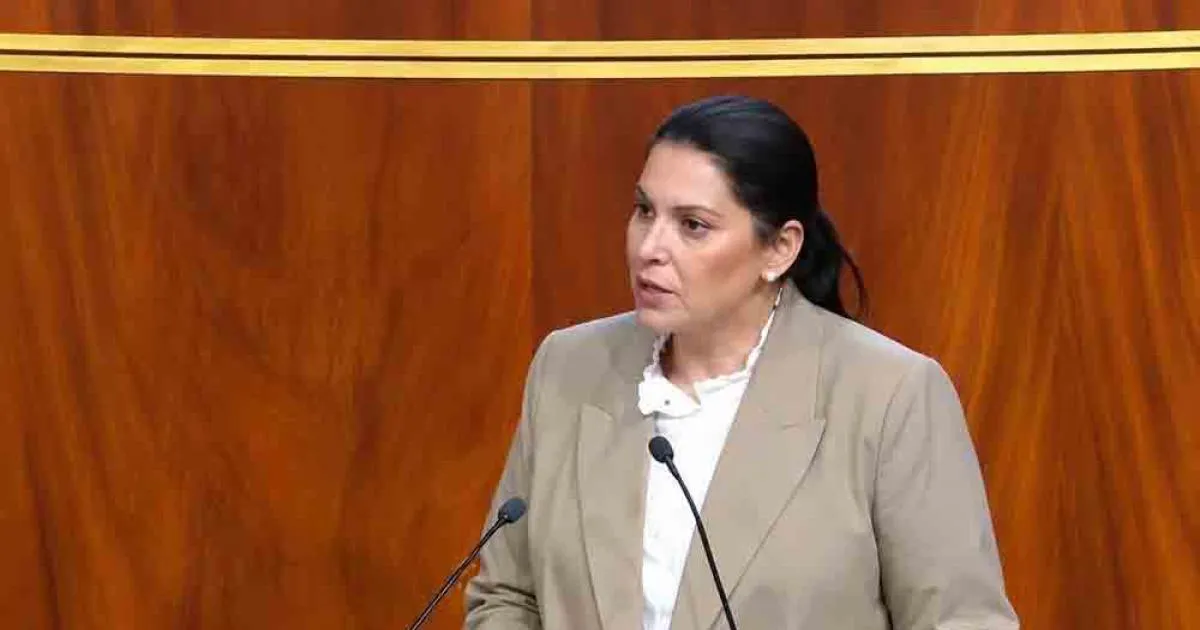
In a bold political address delivered before the House of Councillors in Rabat, Moroccan Head of Government Fatima Ezzahra El Mansouri underscored her administration's unwavering commitment to combatting corruption and conflicts of interest. This declaration comes in the wake of recent criticisms following the dismissal of Madiha Khayr, a minister from the Istiqlal Party. El Mansouri articulated that such decisive actions reflect 'political boldness' rather than any confusion in governance, asserting that her government is dedicated to ensuring that public funds are managed with utmost integrity.
El Mansouri emphasized the importance of not allowing the enrichment of those in close proximity to power at the expense of ordinary citizens. She declared that tackling corruption and conflicts of interest is pivotal to the political identity of her administration. The justification for Khayr's dismissal was based on newly surfaced data and documents that raised serious concerns about her management of public funds. In a show of accountability, El Mansouri stated that she personally requested King Mohammed VI to remove the minister from her position, and the King acted on this request expeditiously.
Economic and Social Initiatives for Sustainable Growth
On the economic front, El Mansouri articulated her government's vision to create a balanced economy that does not prioritize the wealth of the few while neglecting the needs of the impoverished. She highlighted the need for simplifying administrative procedures, reforming the licensing system, and promoting enterprise as vital components for job creation and economic growth. While defending domestic investments, she made it clear that exploiting ministerial positions for personal benefit is wholly unacceptable.
In addressing the social landscape, El Mansouri asserted that the government's agenda is fundamentally rooted in genuine engagement with citizens, rather than relying on abstract studies or artificial intelligence tools. She highlighted the plight of elderly individuals living in precarious conditions and outlined plans to reform the pension system, aiming to elevate women's economic participation to 21.2%. The availability of both human and financial resources, coupled with political stability, was emphasized as crucial for realizing Morocco’s developmental goals.
El Mansouri's administration faces the formidable challenge of reconciling funding for social commitments with the need for systemic reforms amidst pressing financial and demographic challenges. Listening to citizens is essential for political legitimacy; however, it must be coupled with the transformation of promises into concrete actions, clear timelines, and measurable outcomes. The Prime Minister's presentation was characterized as a statement of intent, with the government having already submitted a draft finance bill to parliament, signaling their resolve to implement commitments without delay.
In conclusion, the effectiveness of El Mansouri's government will ultimately be judged by its ability to transition from promises to tangible results. The administration's commitment to integrity necessitates transparent accountability mechanisms, while promises of economic and social advancements must translate into real improvements experienced by citizens in terms of employment, household income, and public services. The credibility of the government will be established through its determination to ensure that the fight against corruption is not merely a fleeting stance and that developmental benefits are accessible to all Moroccans.
As reported by middle-east-online.com.