Morocco’s Ambitious University Expansion Plan
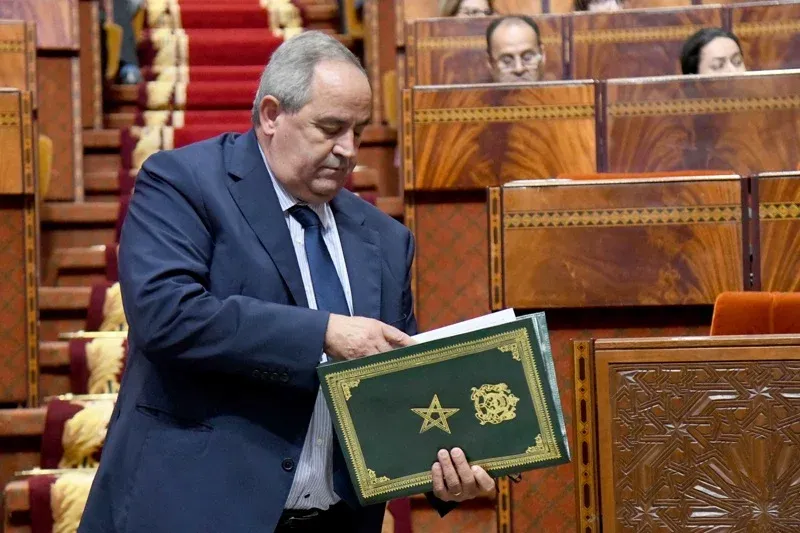
In a significant announcement made before the House of Representatives, Morocco's Minister of Higher Education, Scientific Research, and Innovation, Azeddine Midaoui, revealed a comprehensive plan to establish 27 new universities across the nation. This initiative is aimed at addressing the educational disparities in regions that currently lack university facilities, thereby promoting equitable access to higher education. Midaoui emphasized that this new university map is part of a long-term strategy to achieve spatial justice in educational offerings throughout Morocco.
During the parliamentary session held on Monday, Midaoui responded to a series of questions centered around the theme of educational equity in higher education. He highlighted that the implementation of flexible schedules in major universities has resulted in a remarkable reduction of overcrowding by approximately 25% to 30%. This flexibility caters to the unique needs of students, many of whom are also employed, accounting for about 40% of the student population in these institutions. By organizing class schedules at suitable times for these working students, the pressure on classrooms and educational resources has significantly diminished.
Addressing Educational Challenges and Future Projections
The minister's comments shed light on the pressing challenges faced by the Moroccan higher education system, including a stark geographical imbalance in university distribution. Currently, around half of Morocco's universities are concentrated in just eight regions, leaving over 37 regions without any university presence. Alarmingly, statistics reveal that nearly half of enrolled students drop out after their first year, and the delay in graduation adds a financial burden estimated at 400 million dirhams, compared to 128 million dirhams for those graduating on time. Midaoui cautioned that a projected 35% increase in student numbers by 2030 could further exacerbate these issues if not addressed promptly.
The proposed new university map intends to set a standard of 40,000 students per university, with new institutions slated to open in regions including Dakhla, Laayoune, Guelmim, and Ouarzazate. The initial investment for the construction and management of these universities is estimated at around 200 million dirhams. Up to this point, 66 new institutions have been created, comprised of 46 from restructuring existing facilities and 20 newly established ones. Additionally, 17 more institutions are in the pipeline, including those in Taza, Taroudant, Tiznit, and Taounate, with an anticipated budget of nearly two billion dirhams required through 2030 to support this expansive initiative.
Midaoui affirmed that the distribution of these new universities is grounded in thorough studies and scientific criteria tailored to the specific needs of each of Morocco's twelve regions. Furthermore, the governance of this educational expansion is overseen by a newly established Board of Trustees, as per law 24.59, ensuring the sustainability of public policies and the assessment of university performance in coordination with the Ministries of Finance and Public Service.
While the ruling coalition praised the new educational map and its implementation efforts, some opposition groups expressed concerns regarding regional disparities, particularly in the Drâa-Tafilalet region, where students are divided between universities in Meknes and Agadir. They called for the establishment of a standalone university in that area. The criticism also highlighted issues such as the stagnation of university student grants since 2019, which have turned into a burden for students and families alike. Additionally, disparities in opportunities between male and female students were noted as contributing factors to educational wastage in several regions.
As reported by hespress.com.