Morocco's Dynamic Foreign Policy and Economic Growth
Over the past decade, Morocco has remarkably aligned its foreign and industrial policies, significantly enhancing its economic growth and solidifying its strategic position within the regional landscape. The kingdom has effectively positioned itself as a pivotal partner to Western nations while also advancing its agenda concerning territorial integrity. However, the uneven distribution of developmental benefits, a waning interest in institutional politics, emerging constraints on international trade, and the political ramifications of Morocco's partnership with Israel present substantial challenges that the nation must navigate.
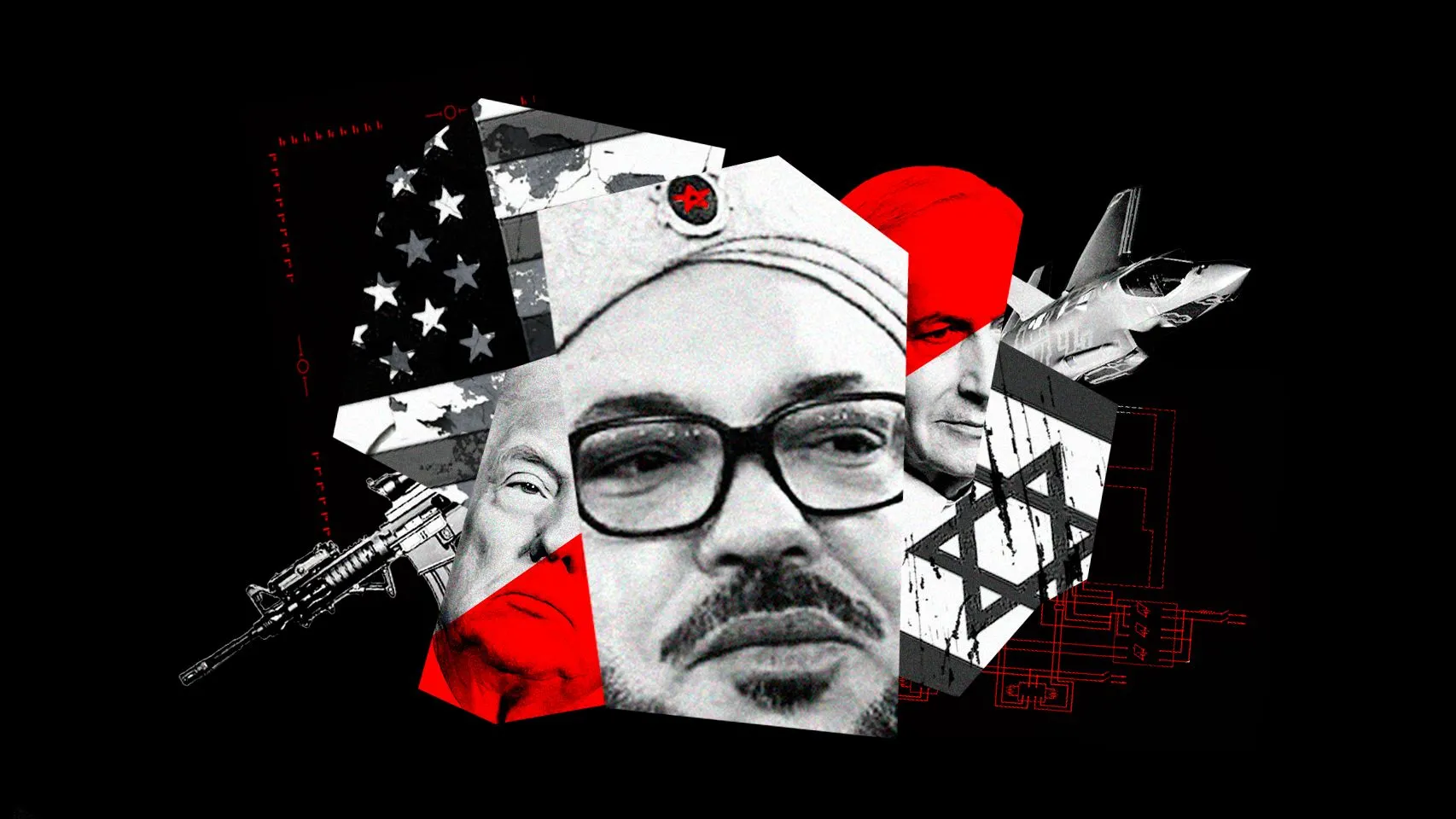
The period from July to October 2026 has been particularly eventful for Morocco. On September 16, the kingdom and Israel reached a landmark agreement to establish embassies in each other's territories, which included commitments to protect investments, address double taxation, and enhance flight connections between the two nations. By leveraging its economic diplomacy, Morocco has taken decisive steps to reaffirm its commitment to the Abraham Accords, viewing them as a strategic multiplier that provides access to advanced Western military technology while reinforcing its status as a trusted ally of the United States and the broader Western bloc.
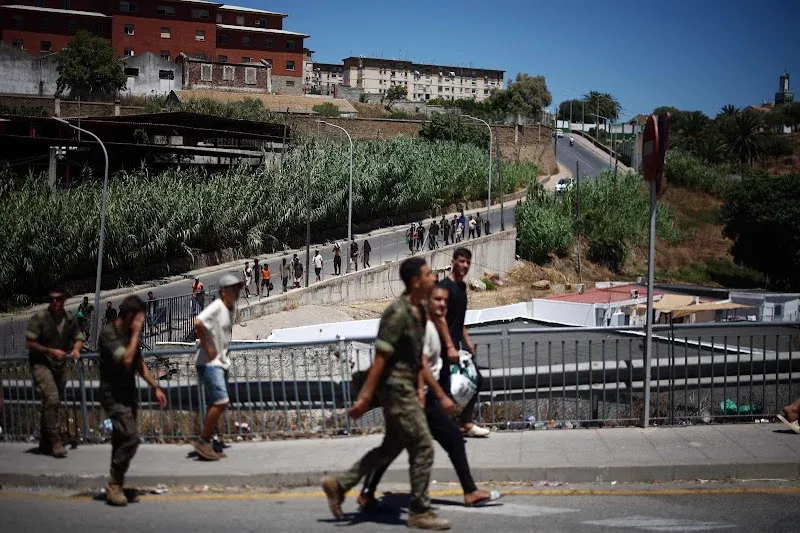
However, this burgeoning relationship has not been without its complexities. The day following the announcement of the agreements, the European Parliament issued a statement threatening to withdraw financing and market access from Morocco, which heavily relies on the European Union for approximately two-thirds of its goods exports. This reaction was triggered by the influx of around 80,000 migrants into the Spanish enclave of Ceuta during the summer of 2026, leading to accusations from the EU regarding the use of irregular migration as a form of hybrid warfare. Such developments have raised concerns about the potential political costs associated with Morocco's partnership with Israel and the broader implications for its regional standing.
Additionally, a week later, Moroccans participated in elections to select a new House of Representatives, but voter turnout reached its lowest level since 2007, reflecting a growing disillusionment with institutional politics. Major urban areas such as Agadir, Casablanca, Rabat, and Tangier, which have been instrumental in Morocco's integration into global value chains, saw below-average participation rates. The youth, in particular, have demonstrated significant civic disengagement, coinciding with stark economic challenges, as youth unemployment soared to 27.2 percent in the second quarter of 2026. These intertwined episodes underscore the multifaceted tensions that Moroccan policymakers must address as they work toward navigating the complexities of the nation’s political and economic landscape.
Morocco's Economic Aspirations Amid Regional Tensions
Despite the challenges, Morocco's outlook is not entirely bleak. Public investment has played a crucial role in bolstering the country's gross domestic product (GDP), with growth hovering around 5 percent in 2025. Furthermore, in 2024, Morocco proudly held the title of Africa's most visited country, a feat complemented by the confirmation of its investment-grade rating for Eurobonds by S&P Global Ratings. The African Development Bank has also recognized Morocco as the continent's most industrialized nation, a testament to the effectiveness of comprehensive policies implemented over several decades.
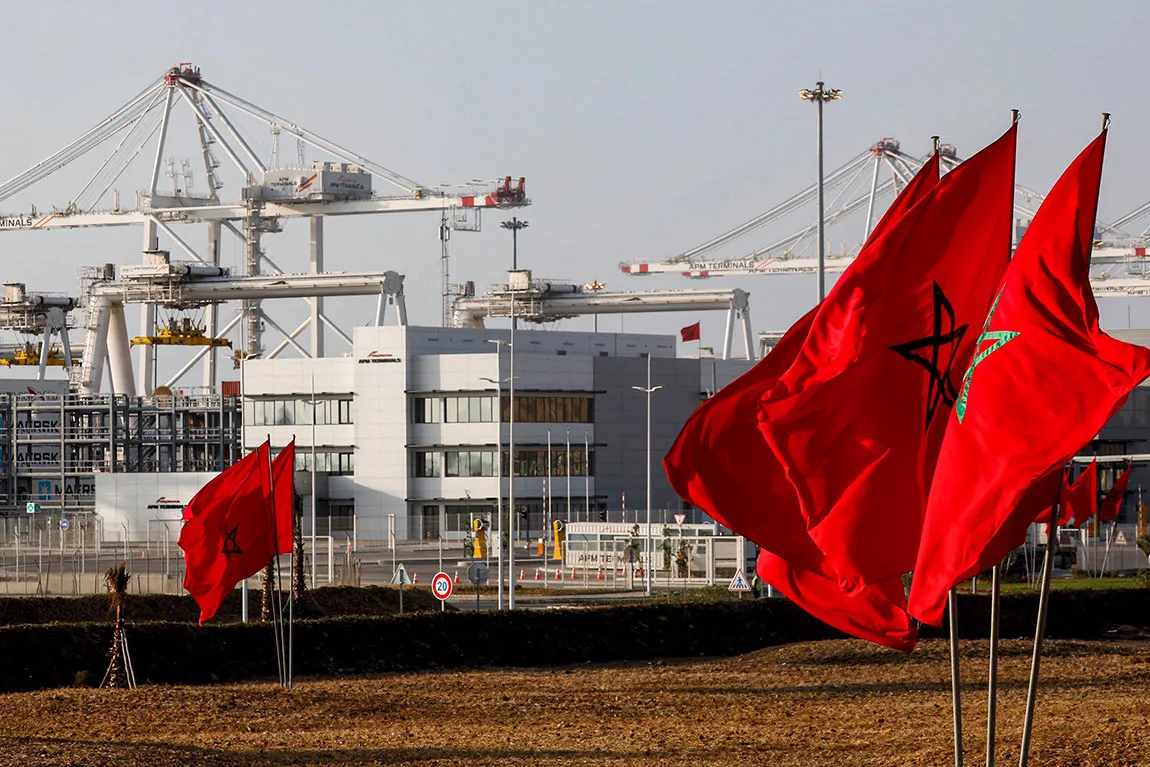
Since the 1960s, Morocco has strategically leveraged international partnerships to facilitate the steady influx of financial resources, industrial expertise, political backing, and military technologies. By cultivating close ties with the West, particularly through its security partnership with Israel established shortly after gaining independence, Morocco has benefited from significant investments that have contributed to infrastructure development and various economic sectors. In the 1990s, Morocco intensified its focus on economic growth, entering into free trade agreements with the EU, the United Arab Emirates, and the United States, which catalyzed investment in infrastructure projects, notably the expansion of the Tanger Med port, now recognized as the largest in Africa and the Mediterranean region.
In recent years, particularly following the Trump administration, Morocco has adeptly positioned itself as a connector economy, bridging the gap between China and the West amid global geoeconomic fragmentation. Chinese investment in sectors such as battery production and automotive components has steadily increased, reflecting Morocco's growing role in the international market.
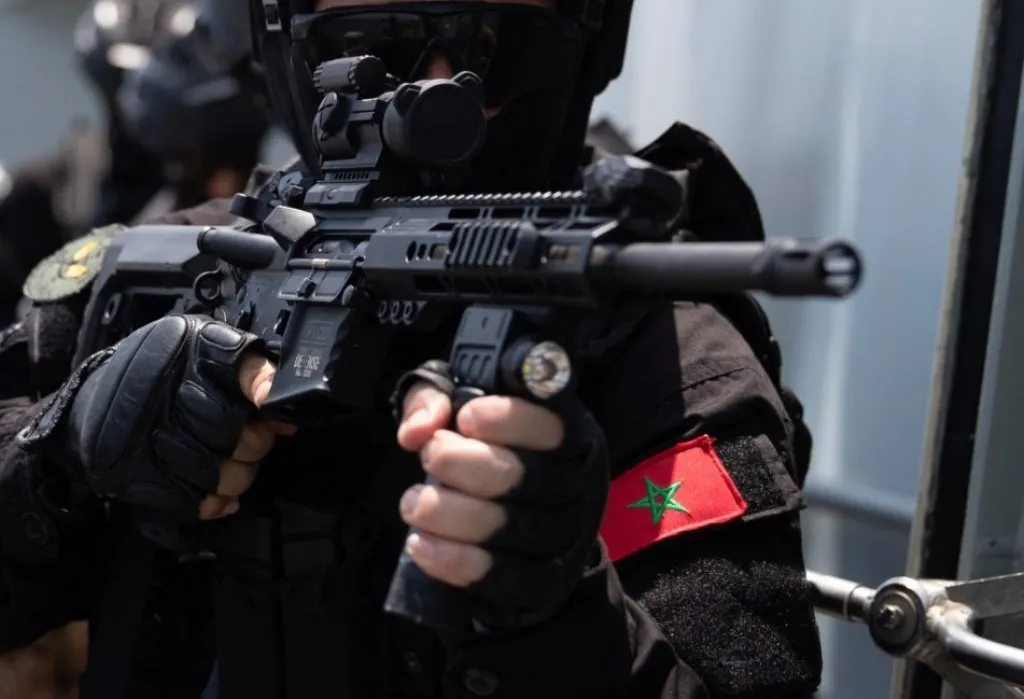
Nevertheless, Morocco's strategic growth is underpinned by the necessity to finance its military and territorial integrity in a volatile regional environment. The kingdom's history, marked by the resilience of the Alaouite dynasty since the seventeenth century, has shaped its approach to maintaining sovereignty, particularly in light of challenges posed by neighboring Algeria. The ongoing territorial dispute over Western Sahara remains a national priority, with Algeria's support for the Polisario Front representing a significant geopolitical challenge. Consequently, Morocco's defense expenditures have consistently exceeded global averages, reflecting its commitment to securing its territorial claims and national interests.
Morocco's strategic alignment with the United States and its participation in the Abraham Accords have opened new avenues for cooperation, particularly in defense and military support. While these partnerships offer significant benefits, including enhanced security and access to advanced technologies, they also come with political costs that Morocco must carefully manage. As the kingdom navigates these complexities, it remains focused on leveraging its economic assets to solidify its position on the global stage and address the pressing challenges that lie ahead.
As reported by orfme.org.