Strengthening the Green Social Economy in Casablanca-Settat
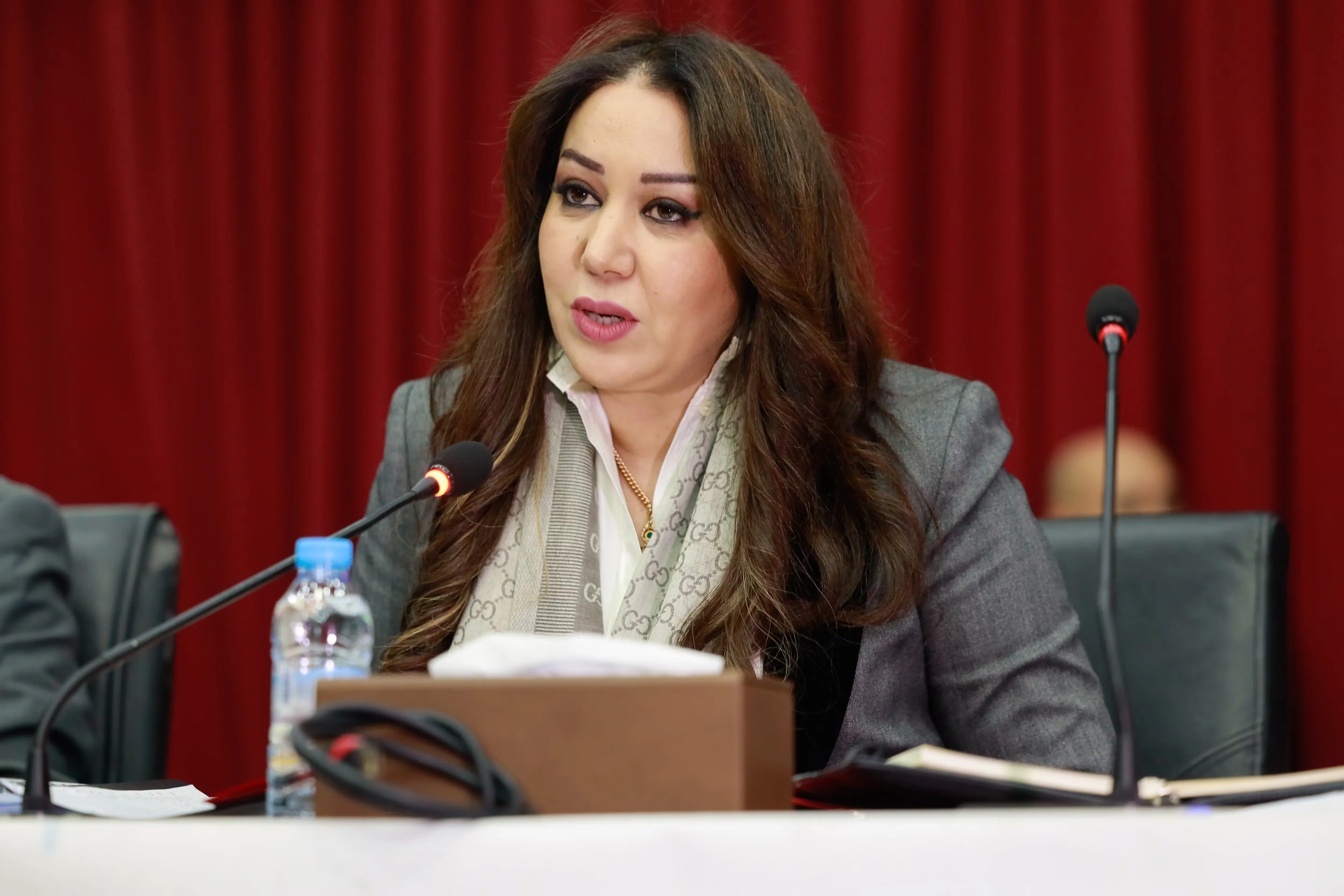
The promotion of a green social and solidarity economy, alongside the enhancement of territorial and economic potentials within the Casablanca-Settat region, took center stage during a recent regional meeting that commenced on Saturday in Casablanca. This significant gathering saw the participation of institutional and academic stakeholders, as well as representatives from the cooperative sector and civil society. The primary aim was to contribute to the development of a unified scientific and institutional vision, thereby reinforcing the growth of this crucial sector and solidifying its role in the sustainable territorial development dynamic of the region.
Spanning two days and themed "Solidarity Roots, Sustainable Future," this meeting was designed to foster a space for dialogue and exchange of expertise and experiences. It sought to assess the current state of the green social and solidarity economy in the region while identifying the challenges faced by its stakeholders. The ultimate goal was to formulate actionable recommendations that could be implemented on a regional scale.
Initiated by the Network of Non-Governmental Associations of Doukkala (RADNG) in the provinces of Sidi Bennour and El Jadida, this event is part of the Program for a Convergent Approach and the Challenges of Equitable Regional Economic Development for 2025-2026. This program focuses on enhancing the management capacities and institutional competencies of territorial cooperatives, small enterprises, cooperatives, and development associations. It is implemented by RADNG in partnership with the Casablanca-Settat Regional Council, the regional Wilaya, and the Regional Directorate responsible for economic inclusion, small businesses, and employment.
According to the organizers, the timing of this meeting is particularly relevant given the growing interest in economic models that reconcile solidarity, cooperation, and environmental sustainability. These models are viewed as vital tools for strengthening territorial development, creating employment opportunities, and enhancing the capacities of cooperatives, small enterprises, and development associations.
This meeting also provided an opportunity to explore ways to enhance coordination among various stakeholders and better align local initiatives with public policies and development programs. This alignment is crucial for maximizing the resources and territorial potentials and for developing economic activities that respect environmental and social requirements.
The agenda for the meeting includes scientific and institutional sessions that focus on the role of public institutions and local authorities in supporting the green social and solidarity economy. It also emphasizes the importance of governance and public policies in building a territorial ecosystem capable of achieving sustainable development. Additionally, the program features workshops aimed at deepening discussions on various raised issues, contributing to the formulation of proposals and operational recommendations to support the green social and solidarity economy and strengthen its contribution to achieving sustainable territorial development in the Casablanca-Settat region.
As reported by mafrique.ma.