Overview of the Incident
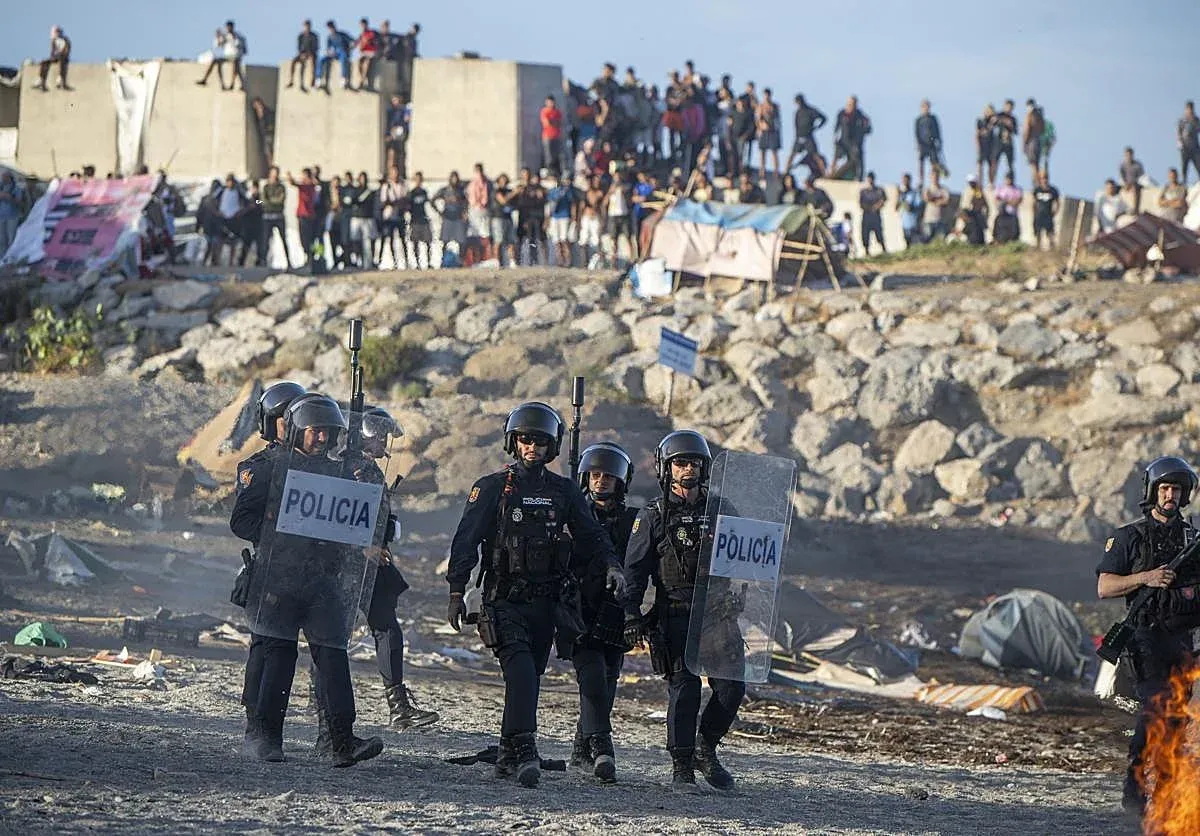
In a significant development regarding the mass crossings into Ceuta, Spain's Commissioner General for Immigration and Borders, Julián Ávila, alongside several officials within his department, has declined to endorse a police report that would absolve Morocco of any involvement in the events that transpired on July 30 and 31. This report, which was anticipated to clarify the circumstances surrounding the sudden influx of migrants, has instead highlighted a growing tension among Spanish security officials, as noted by security sources referenced in a report by the Spanish newspaper ABC.
Details of the Refusal
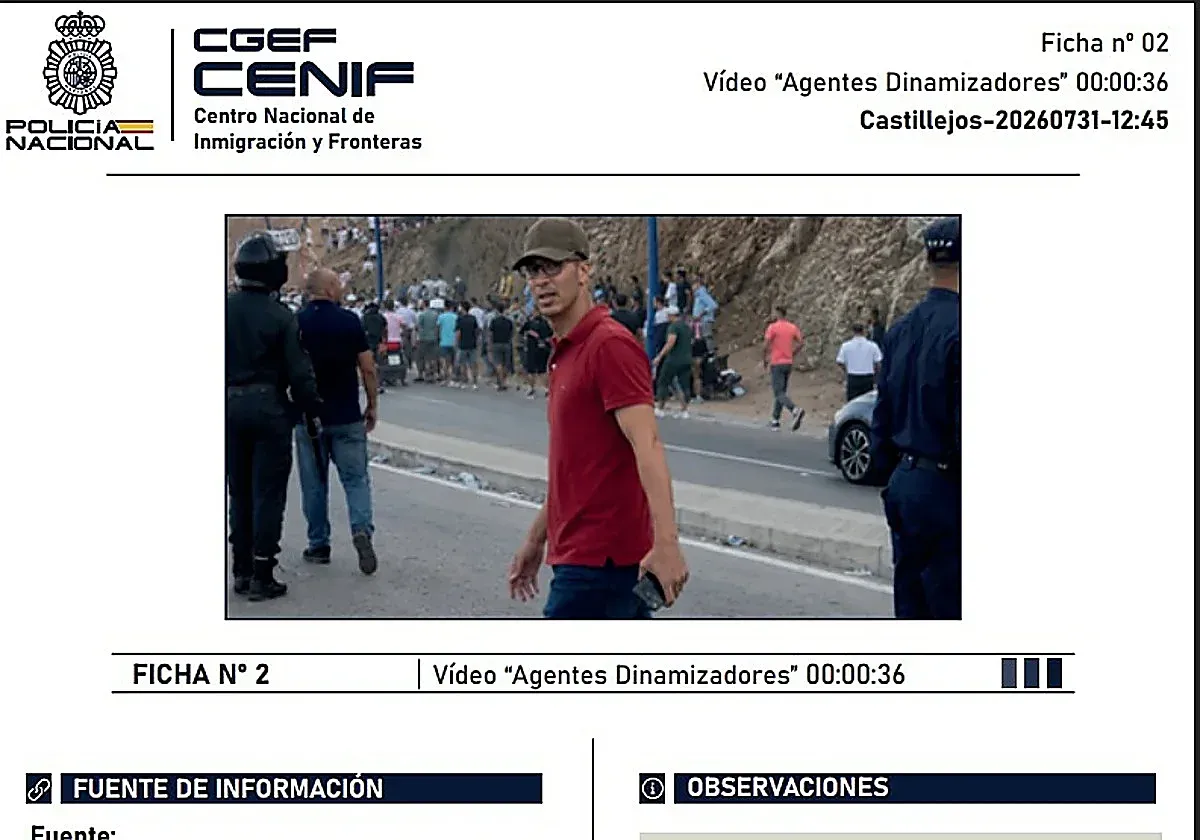
According to discussions that took place during a contentious meeting attended by security officials and the director general of the police, Francisco Pardo Piqueras, the refusal to sign the report came after Minister of the Interior Fernando Grande-Marlaska requested further information regarding the findings. On September 1, the newspaper El Español disclosed crucial insights from a report generated by the National Centre for Immigration and Borders, which is part of the National Police. This report particularly emphasized the alleged role of Moroccan gendarmerie members in guiding migrants toward Ceuta during the mass crossings.
The situation escalated when Interior Minister Grande-Marlaska urged Police Director General Pardo to promptly share the report's contents. Subsequently, Pardo organized a meeting with key figures, including the General Commissioner for Immigration and Borders, Julián Ávila, and the General Commissioner for Intelligence, Javier Antonio Susín. However, Pardo later refuted claims that any police document had been prepared to implicate Moroccan security forces in orchestrating the crossings.
Despite the official's denial, security sources indicated that dismissing any Moroccan connection to the mass migrations at this stage is considered premature, given that investigations are still in their infancy. There remains widespread acknowledgment that proving any direct involvement from Moroccan authorities could be exceedingly challenging.
In light of these developments, Spain's Interior Ministry has clarified the status of the National Centre for Immigration and Borders, stating that it is not an investigative unit with the authority of judicial police and does not possess personnel stationed in Morocco. Furthermore, it is not standard practice for this body to engage in activities mandated by the public prosecutor’s office or the judiciary.
As reported by en.yabiladi.com.