Undercover Operations Allegedly Facilitate Border Crossing into Ceuta
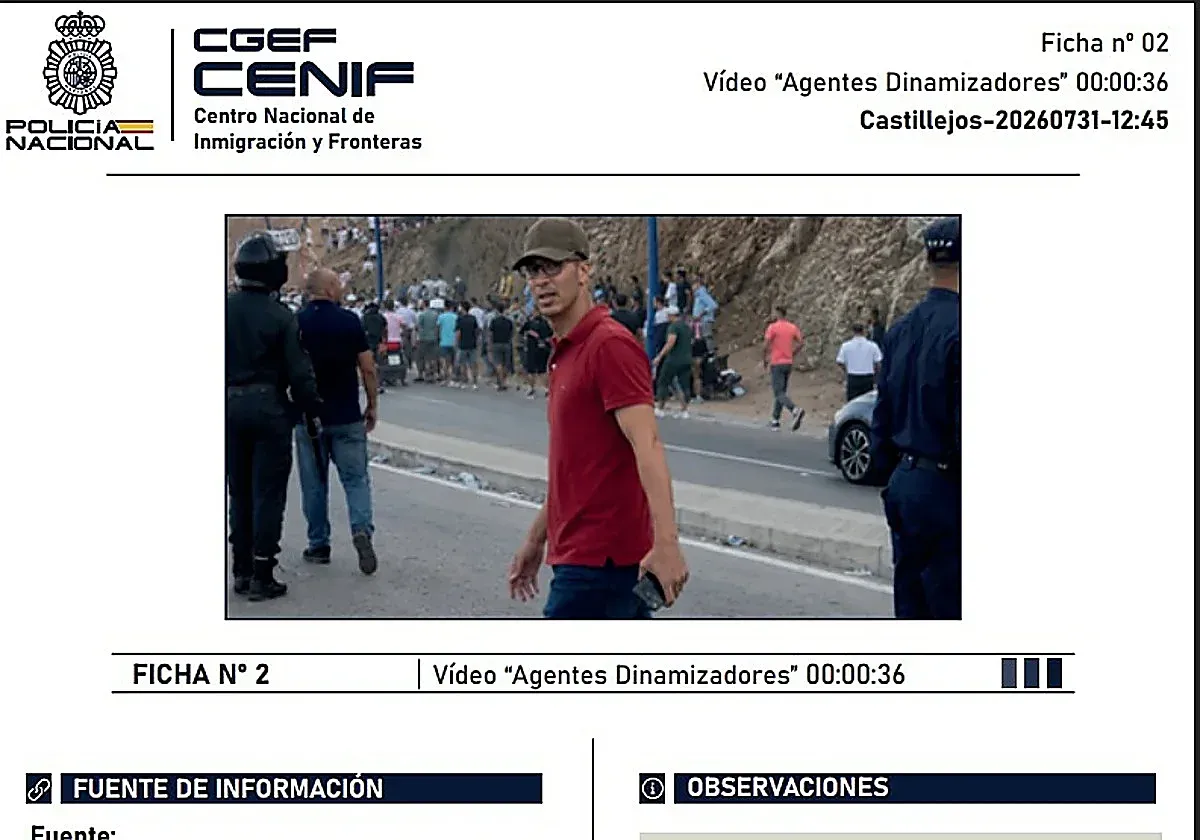
A striking revelation has emerged from a report by the CENIF, the national center for immigration and borders in Morocco, which suggests that undercover agents may have actively facilitated a massive border crossing into Ceuta. This report, presented to María Tardón, a judge at the National High Court, includes five videos and police statements from three Moroccan migrants who successfully crossed into Spain. The contents of these documents reveal a troubling picture of possible coordination between Moroccan plainclothes officers and local authorities, which contradicts the Spanish government’s narrative of Moroccan cooperation in preventing the border assault.
Eyewitness accounts collected during the investigation point to a scenario where Moroccan officials, rather than blocking the flow of migrants, appeared to be herding them toward the Spanish enclave. The CENIF documentation includes 24 files on alleged "facilitators" and an additional ten files regarding uniformed officers, indicating a complex web of involvement that raises serious questions about the integrity of border management. Investigators noted that certain individuals displayed behaviors indicative of control and leadership, suggesting that the operation was meticulously coordinated.
Identities and Actions of Key Figures in the Border Incident
Among the identified individuals is Youssef Haji, the bacha of Castillejos, who was spotted near the Senator Hotel on the day of the incident, directing officers while on his mobile phone. Eyewitnesses, including a former chief sergeant of the Moroccan Royal Gendarmerie, confirmed that Haji was actively giving orders, underscoring the involvement of high-ranking officials in the orchestrated crossing. Also identified was Mohamed El Oualidi, the head of security in Tétouan, who was recognized by multiple witnesses, further cementing the claim of a well-organized effort.
Visual evidence captured on the day of the crossing shows Moroccan officers in uniform directing migrants and helping them bypass obstacles, while some civilians appeared to be issuing commands to uniformed personnel. This lax approach by Moroccan authorities on July 30 is described in the report as one of "total permissiveness," which facilitated the movement of people towards the sea and the border crossing points.
As the reports continue to unfold, the use of social media has also been highlighted as a crucial element in mobilizing large groups of migrants. Coordinated messages spread through open Facebook groups and closed WhatsApp chats incited individuals to take action, with claims that they could easily cross into Spain. The CENIF report notes that the reception center in Ceuta was overwhelmed as a result of this surge, raising concerns about the implications for regional security and immigration policy.
The findings from this investigation not only shed light on potential collusion between Moroccan authorities and the migrant movement but also pose significant questions regarding the operational integrity of border control measures. As this situation develops, further inquiries into the roles of various officials and the broader implications for Moroccan-Spanish relations are anticipated.
As reported by surinenglish.com.