Moroccan Support for Methane Cuts Highlights Climate Concerns
A compelling new international survey has revealed that an impressive 84% of Moroccan adults express strong support for initiatives aimed at reducing methane emissions. This survey, commissioned by the Global Methane Hub in conjunction with the Yale Program on Climate Change Communication, gathered insights from Morocco and 17 other countries, showcasing a broad consensus on the critical need for climate action. Notably, the survey indicated that nearly half of the respondents, specifically 47%, are deeply concerned about climate change, but their apprehensions are intensified by immediate environmental threats such as poor water quality and droughts, both of which concern 54% of respondents. Additionally, 51% reported significant worry regarding extreme heat and heatwaves, which have become increasingly prevalent in the region.
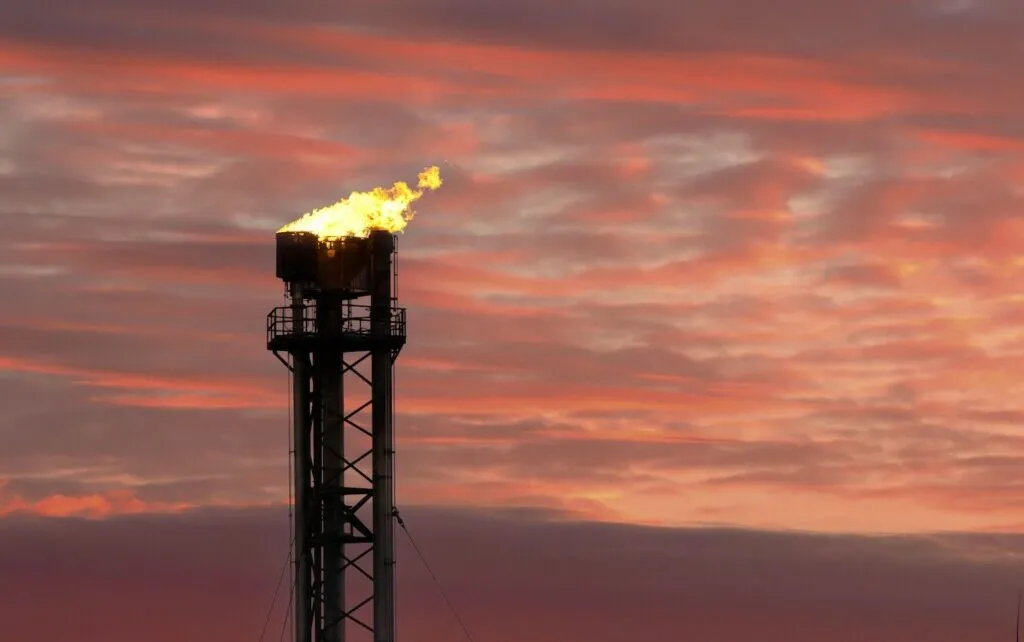
In the context of this survey, support for methane reduction measures varies across different sectors, with 80% of Moroccans endorsing methane cuts in agriculture, 85% in waste management, and an impressive 86% in the energy sector. Furthermore, Moroccans identified oil and gas operations, alongside waste management practices, as major contributors to methane emissions. Yet, despite recognizing these challenges, a substantial 64% of participants believe that national governments possess the capability to enact meaningful change, with 63% expressing similar confidence in international governments.
These results emerge against a backdrop of increasing climate-related stress in Morocco. Following years of severe drought conditions, the winter of 2025-2026 brought heavy rainfall that replenished reservoirs. However, this relief was short-lived as the summer of 2026 experienced extreme heat, with temperatures soaring to as high as 50°C in some areas, approximately 12°C above seasonal averages. This heatwave has placed additional strain on water resources, posing significant risks to both agricultural production and public health.
Further insights from the survey revealed that 73% of respondents believe that human activity is a primary driver of climate change, while 51% reported familiarity with methane itself, an increase of six percentage points since 2025. Additionally, 67% of those surveyed view reducing methane emissions as a vital priority. Marcelo Mena, the Chief Executive of the Global Methane Hub, emphasized the potential for the dairy sector to not only reduce methane emissions through improved feeding and herd management practices but also to enhance farmers' economic outcomes. Laury Haytayan from the Natural Resource Governance Institute stressed the importance of adopting a multi-stakeholder approach to effectively address these challenges.
In a broader context, across the 18 countries surveyed, a striking 85% of participants supported taking action to curb methane emissions. Support was particularly high in South Korea, where it reached 94%, and in Malaysia, where 91% expressed similar views. The Global Strategy Group conducted this online poll between August 3 and 25, 2026, collecting responses from a total of 12,189 adults, including at least 700 participants from Morocco. The margin of error for the Moroccan sample stands at ±3.6%, underscoring the reliability of these findings.
As reported by northafricapost.com.