Enhancing the Quality of Life for Moroccans
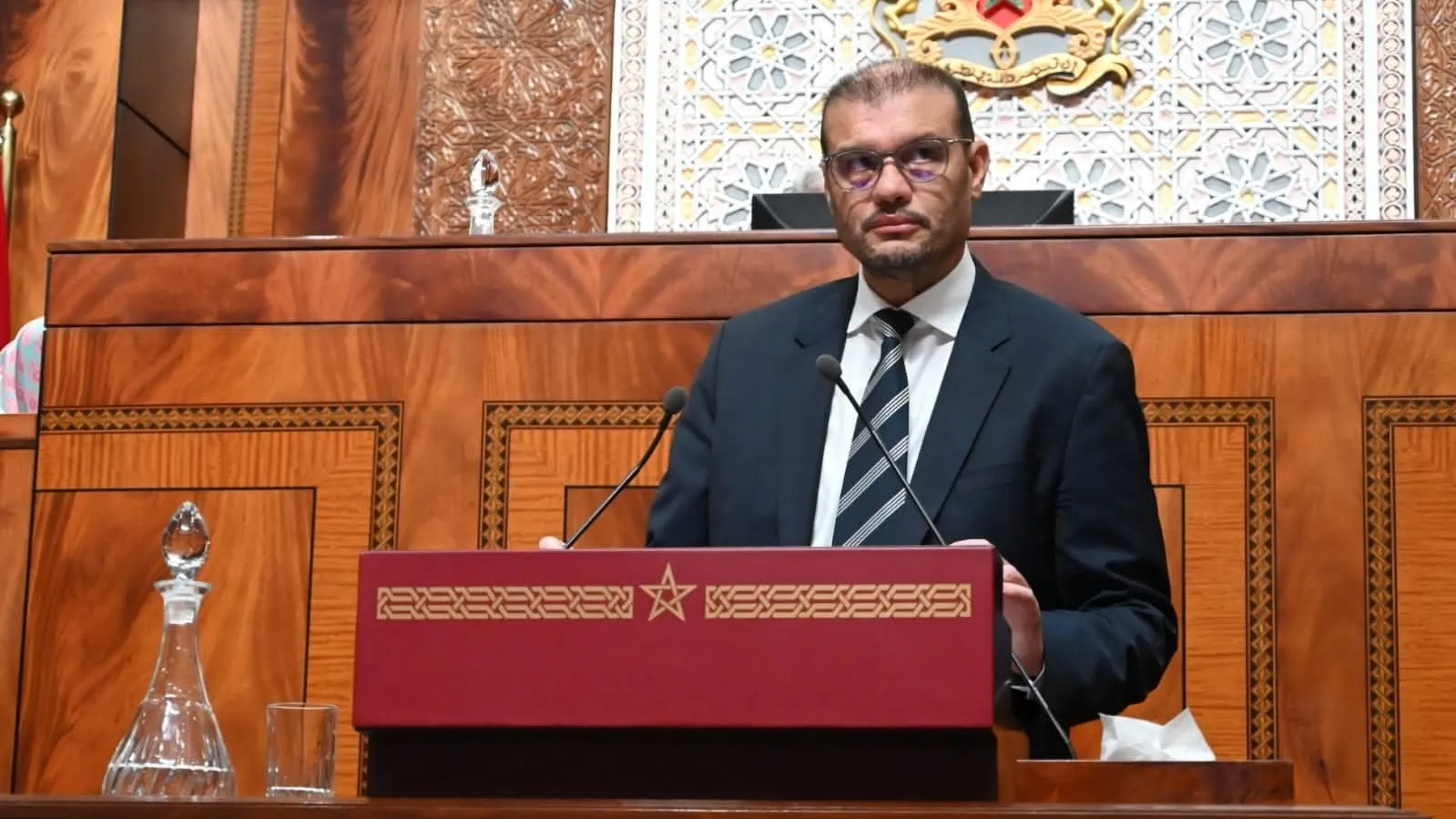
Rahal El Mekkaoui, the president of the Istiqlal Group for Unity and Egalitarianism in the House of Representatives, has publicly expressed his group's unwavering support for the government's program, emphasizing a central theme: the improvement of living conditions for the people of Morocco. He identified several critical areas that serve as benchmarks for the effectiveness of the announced reforms, including the protection of purchasing power, the quality of public services, and the reduction of social and territorial disparities. These elements are essential to ensure that the government's initiatives translate into tangible benefits for the Moroccan populace.
Addressing Economic Challenges and Corruption
During a recent plenary session focused on the examination of the program presented by Prime Minister Fatima Zahra El Mansouri to gain parliamentary confidence, El Mekkaoui highlighted the consensus among the ruling coalition. He reiterated several electoral commitments made by the Istiqlal party, including enhancing the middle class, combating corruption, and strengthening public service. A central theme in his address was the issue of purchasing power, where he acknowledged the adverse effects of rising prices, competitive dysfunctions, and the burden of speculation, which have undermined the positive impacts of salary increases and support measures. To combat these challenges, he stressed the need for a multifaceted approach that includes improving incomes, creating jobs, ensuring transparency in distribution channels, and easing tax pressures, thus enabling government measures to have a meaningful effect on household budgets.
He commended the government’s plans for market regulation, modernization of wholesale markets, and the establishment of regional distribution companies, which are designed to curb abusive intermediation practices and minimize the gap between production prices and consumer costs. Furthermore, El Mekkaoui underscored that the fight against corruption is a prerequisite for restoring public trust in institutions. He firmly stated that "corruption is the enemy of development" and called for the expedited adoption of laws addressing conflicts of interest and the protection of whistleblowers. He advocated for enhanced safeguards in public procurement, stricter oversight of public funds, and decisive action against monopolies and rent-seeking behaviors.
On the social front, El Mekkaoui highlighted the need to revise the targeting of direct aid based on actual household income, while expressing support for gradually increasing the minimum amount of aid from 500 to 1,000 dirhams. He insisted that the expansion of medical coverage must be accompanied by real improvements in public hospital services, reduced waiting times, and greater availability of medications and healthcare personnel. The integration of youth into the workforce was another priority he championed, advocating for a holistic approach that connects education, training, employment, and access to housing, alongside mobilizing the private sector and banks to support productive investment and job creation.
El Mekkaoui also praised the government's commitment to effectively transferring competencies and resources to regional authorities. He emphasized the significance of program contracts that include specific objectives related to employment and investment, particularly focusing on rural areas, mountainous regions, and oases. This approach aims to translate territorial justice into accessible services and concrete opportunities for the Moroccan people.
As reported by lopinion.ma.