Moroccan Naval Incursions Amid Migrant Surge
In late July, as thousands of migrants flooded into the city of Ceuta, reports emerged that a fleet of Moroccan warships violated Spanish territorial waters. According to exclusive coverage by El País, at least one frigate, along with several patrol vessels from the Royal Moroccan Navy, navigated through these waters without authorization. This troubling development coincided with a massive influx of migrants from Morocco, which not only persisted through the last days of July but extended into early August. Sources close to the situation have indicated that these incursions were not mere accidents but rather a deliberate and repeated violation of Spain's territorial sea.
The situation prompted a robust response from the Spanish military, which deployed several naval ships to the region, effectively halting the Moroccan vessels' incursions. This military escalation occurred amidst heightened tensions between Spain and Morocco, nearly resulting in a maritime collision. The Spanish armed forces have ruled out any coordinated effort between the military movements and the influx of migrants, many of whom crossed into Ceuta by swimming through the Tarajal pier. Both the Moroccan and Spanish governments have consistently denied any involvement in orchestrating the migrant surge.
Disputed Territorial Claims and Diplomatic Strain
The Spanish military has emphasized that their decisive response, including the deployment of their naval fleet, was crucial in ending the violations of Spanish territorial waters. Spain asserts sovereignty over the maritime area extending 12 nautical miles (approximately 22 kilometers) from Ceuta's coastline. Conversely, Morocco claims both Ceuta and Melilla as its territory and does not recognize Spain's sovereignty claims, which leads to a lack of international delimitation of these waters. While incursions by Moroccan police vessels in pursuit of drug traffickers are common, the presence of warships in the area has raised alarms, marking a significant escalation in the already fraught relations between the two nations.
This situation unfolds just a day before the Spanish monarchs, King Felipe VI and Queen Letizia, are set to make their first official visit to Ceuta in two decades. The Spanish government has reiterated its stance that Ceuta is "very much Spanish," and although the royal visit was planned prior to the recent migrant crisis, it serves to reinforce this narrative of Spanish sovereignty over the North African enclaves. Notably, the royal couple will not be visiting any military installations during their two-day stay in Ceuta and Melilla, and there has yet to be any official comment from Moroccan authorities regarding the visit. The last time a Spanish monarch visited Ceuta was in 2007, when King Juan Carlos I traveled there, prompting Morocco to call its ambassador in Madrid for consultations.
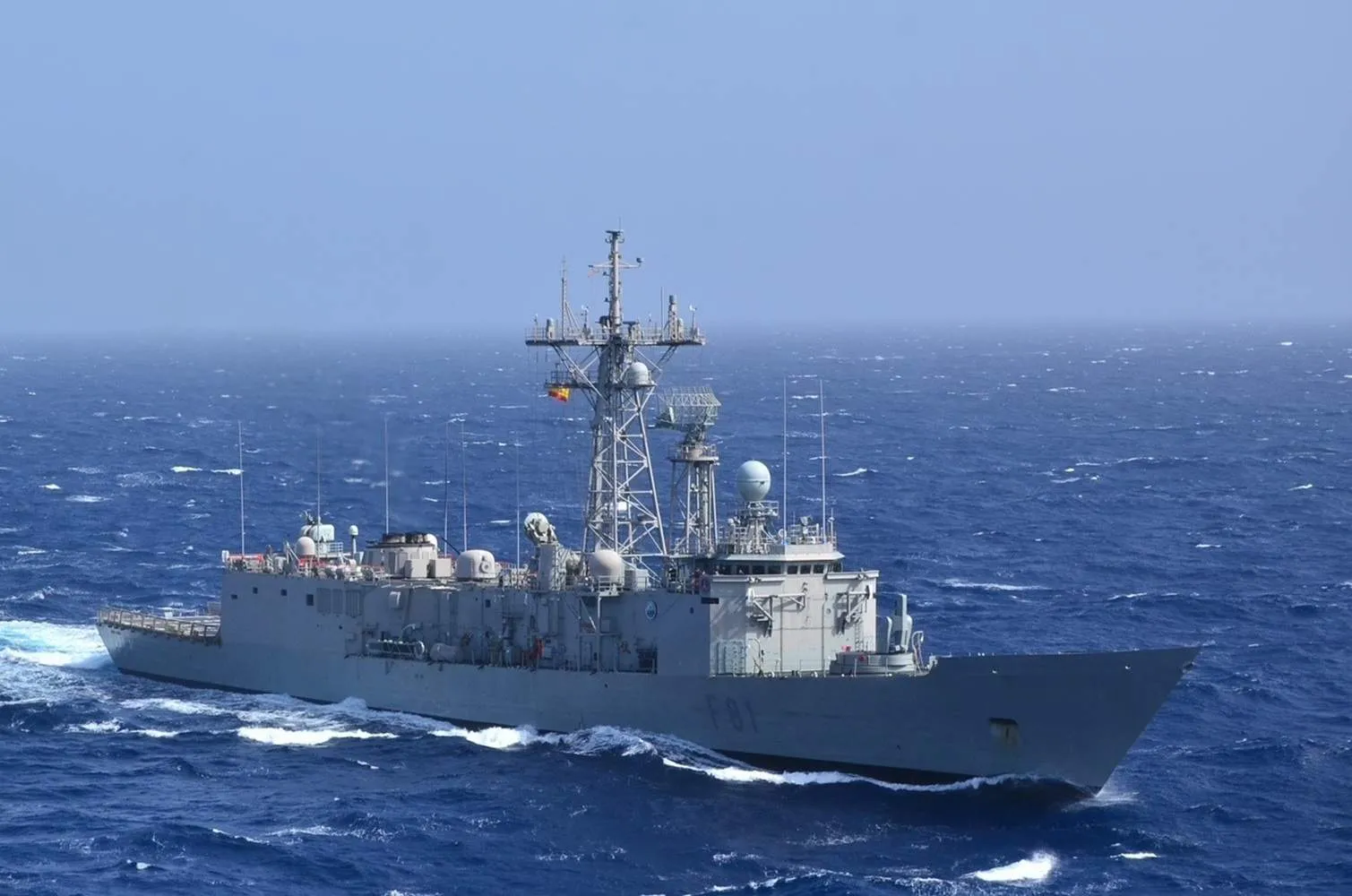
As the crisis unfolded, the Spanish Defense Staff dispatched the maritime action vessel Rayo from Las Palmas de Gran Canaria, arriving in Ceuta on August 3. In light of the ongoing maritime incursions, the Spanish Navy continued to mobilize additional vessels, including the frigates Santa María and Navarra, from the naval base in Rota. Although the Moroccan incursions persisted in the initial days, the combination of Spanish naval deployment and diplomatic efforts ultimately led to a cessation of these actions. However, reports indicate that the movements of both navies in the same waters brought them to the brink of a collision between a Spanish patrol vessel and a Moroccan one.
The continued presence of Moroccan ships exacerbated tensions already heightened by the mass entry of migrants into Ceuta. The Moroccan government has denied any involvement in the migrant crisis, despite claims from Spanish politicians. Spanish Prime Minister Pedro Sánchez, in an interview, stated that there was no information from any intelligence agency suggesting Moroccan authorities were involved in the crisis. However, he later acknowledged in a separate interview that the Spanish government had sought "responses and actions" from Morocco regarding its conduct during the incident when their border controls faltered.
As reported by elnacional.cat.