The Depletion of Sand Reserves: A Global Concern
In recent times, the alarming depletion of the Earth’s sand reserves has emerged as a significant global concern. On May 12, the United Nations issued a warning regarding the potential catastrophe stemming from a shortage of sand—a vital material that plays an integral role in our daily lives and the infrastructure of modern civilization. Aïcha Benmohammadi, a professor at the Ibn Tofail Faculty of Sciences in Kenitra and a specialist in environmental geosciences, emphasized the importance of sand, stating that it has been the unsung hero of development for several decades. Sand is essential in various applications, from the asphalt used in roads and concrete in buildings to the glass we utilize every day, with over 200 industries relying on this resource. It is estimated that, on average, every individual consumes around 18 kilograms of sand daily, highlighting its ubiquitous presence in our lives.
Globally, approximately 50 billion metric tons of sand are extracted each year, making it the second-most consumed resource after water, surpassing oil and steel. However, the United Nations Environment Programme (UNEP) warns that the rate of sand extraction currently far exceeds the Earth's natural ability to replenish it. This imbalance is particularly concerning as industrial processes and geological replenishment do not align, suggesting that a significant shortage is imminent if current consumption patterns continue. Countries such as Denmark, Belgium, and the Netherlands may deplete their sand reserves within the next 80 years, while the Philippines has had to halt construction of significant projects due to sand extraction bans. This situation illustrates the pressing need for countries to manage their sand resources judiciously, particularly given that transporting sand over long distances is economically unfeasible due to its heavy weight.
Morocco's Sand Consumption and Environmental Challenges
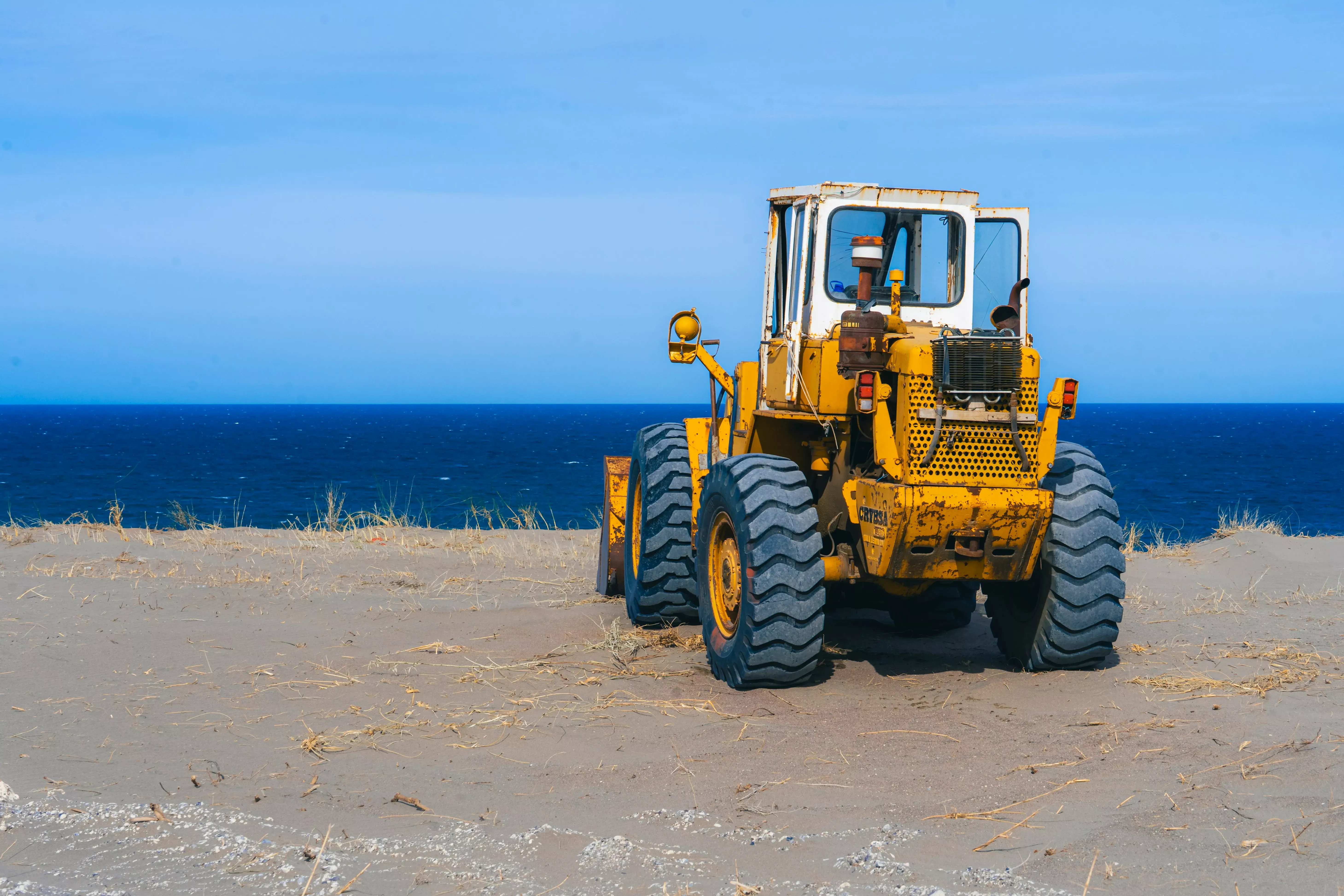
Morocco is not exempt from these global challenges. According to Aïcha Benmohammadi, the country’s sand consumption has surged to over 38 million metric tons per year, driven by ongoing infrastructure development and preparations for events such as the 2030 World Cup. Despite concerns about potential shortages, Benmohammadi remains optimistic about Morocco's geological resources, which she believes can sustain the nation’s construction needs. However, she cautions that the real issue lies in illegal sand extraction, which has become rampant in the country. Illegal quarries in the wadis have proliferated, leading to significant environmental degradation, including riverbank collapses and a lowered water table, not to mention contributing to flooding.
Moreover, illegal sand mining along the Moroccan coastline poses a serious threat to coastal resilience against sea-level rise. Aïcha Benmohammadi warns that the coastline is receding at a rate of 14 cm per year along the Mediterranean coast and 12 cm along the Atlantic coast, which is double the global average. She argues that depriving the coastline of its sand effectively strips it of natural defenses, leaving infrastructure vulnerable to storms and flooding.
The town of Mehdia, located near Kenitra north of Rabat, exemplifies the dangers of sand overexploitation. Recent reports indicate that the beach is facing severe coastal erosion and encroachment from the sea. However, the local municipal council has been reluctant to acknowledge the connection between illegal sand extraction and these environmental issues, instead attributing the problem to ocean currents and climate change. Benmohammadi refutes this perspective, emphasizing that while climate change does exacerbate coastal issues, it should not be used as an excuse to overlook the consequences of local governance failures and the depletion of natural sand reserves.
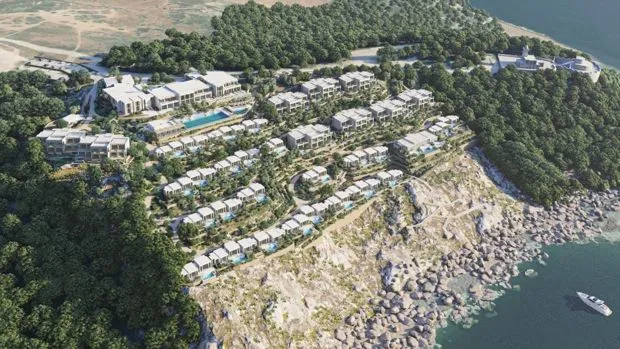
As Morocco continues to invest in seaside tourism, the reckless extraction of sand jeopardizes the very resource that attracts visitors. With hopes of welcoming 26 million tourists annually by 2030, the country’s dependence on its coastal beauty is clear. However, a recent World Bank report estimates that coastal tourism jobs may be at risk due to environmental degradation, with potential losses of 14% to 32% by 2035. This situation raises critical questions about the sustainability of Morocco's current extractive policies and the long-term viability of its tourism sector.
In conclusion, the ongoing sand crisis poses significant threats not only to Morocco's coastline and environment but also to its economy and tourism sector. The need for sustainable management of sand resources is paramount to preserving the natural beauty and economic viability of Morocco’s coastal regions for future generations. As reported by telquel.ma.