Youth Protests Highlighting Educational Needs in France
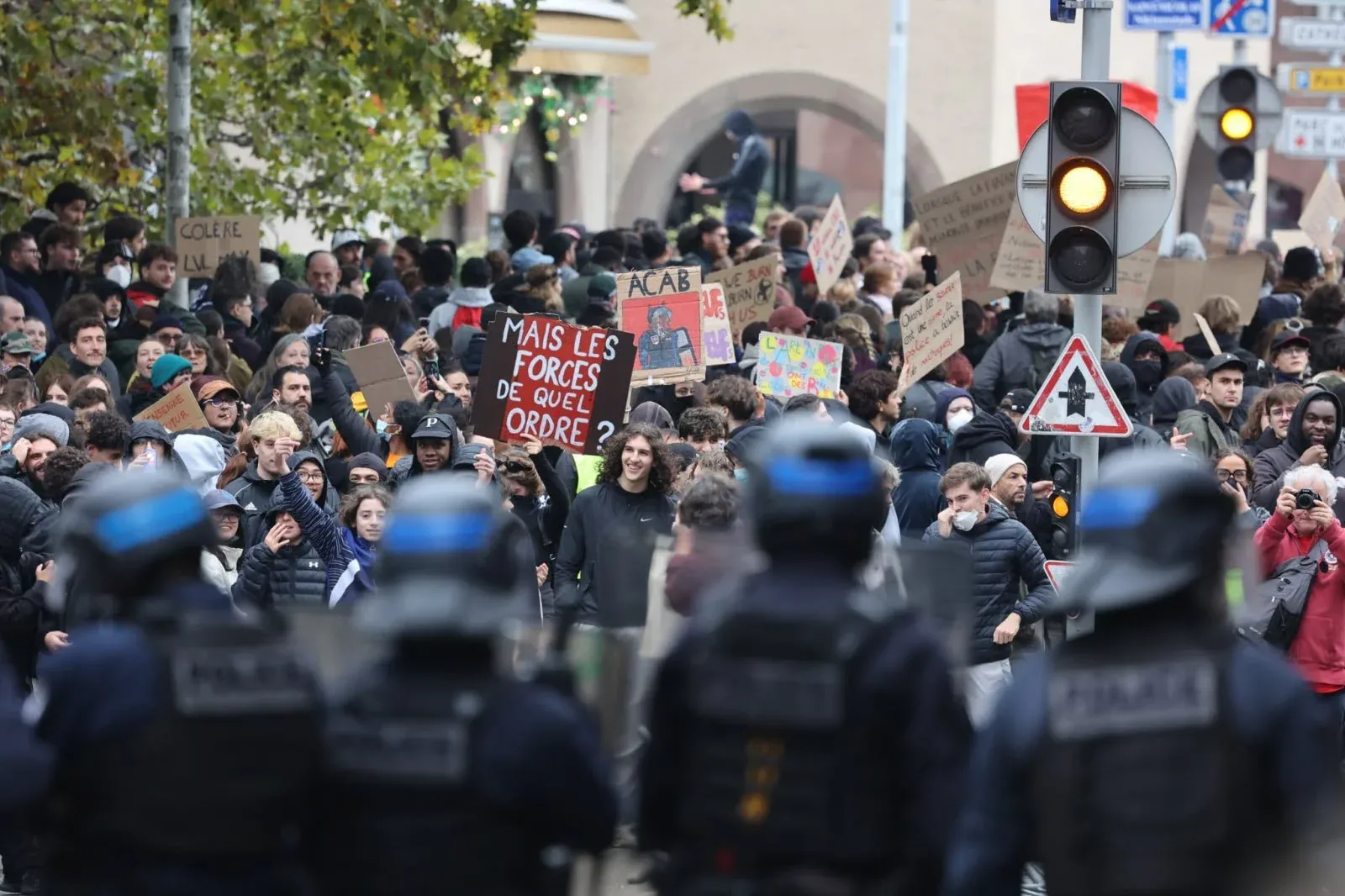
Since mid-September 2026, a high school movement originating from a school in the Paris region has been capturing headlines across France. Young activists are primarily demanding improved resources for dilapidated high schools and an increase in teaching staff to ensure adequate replacements. The authorities have responded with significant measures; according to the Ministry of the Interior, over 6,600 individuals, mostly minors, were apprehended in early October. Several youths have suffered serious injuries, including a 15-year-old boy in Lens who lost a hand due to an incident involving a stun grenade, and a 16-year-old in Tours who reportedly lost part of his vision. In Saint-Ouen-l’Aumône, a 14-year-old named Eden sustained jaw fractures and dental injuries after being directly hit by a tear gas grenade. The public prosecutor deemed this action disproportionate, leading to the indictment of the officer involved for causing mutilation. In total, eighteen investigations have been launched. The Interior Minister, Laurent Nuñez, eventually suspended the use of the grenade model in question against high school students, while still asserting that the police interventions were proportional "in almost all cases." On October 17, an additional 1,200 arrests were recorded in just one day.
A Comparative Perspective on Protest Narratives
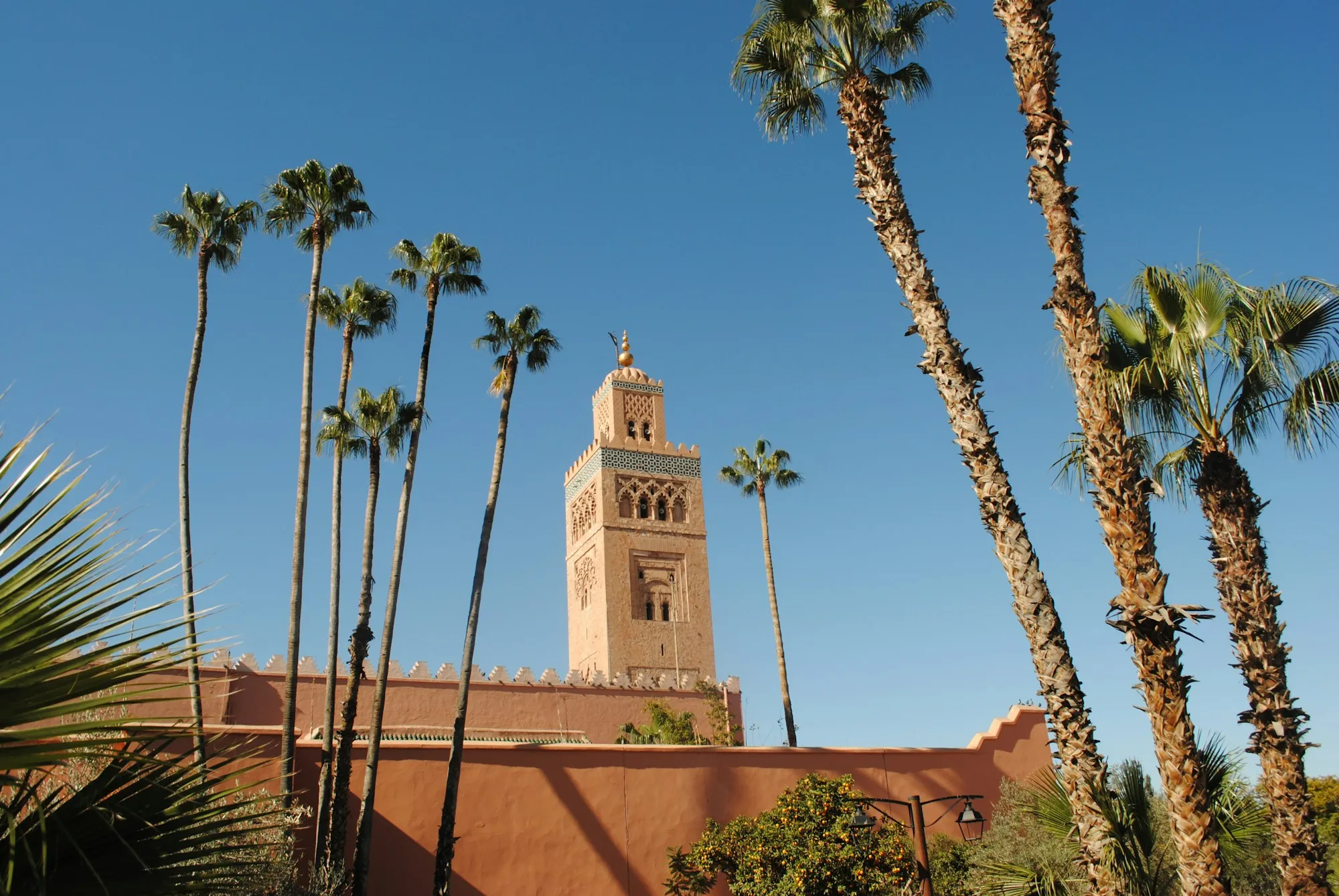
At the same time, thousands of demonstrators gathered in Paris, Marseille, and Rennes on September 19 and 20 to protest against a proposed law passed by the National Assembly on July 7, which is still under review in the Senate. This legislation would establish a presumption of legitimate defense for police and gendarmes using their firearms. Critics view this as a "license to kill." The disparity in how these events are reported becomes particularly evident when we compare similar mobilizations beyond French borders, especially in the Maghreb and Africa. In the autumn of 2025, when Moroccan youth from the GenZ 212 movement demanded decent schools and hospitals, a significant portion of the French press addressed their protests through the lens of repression, public freedoms, and authoritarianism. While this critical perspective is undoubtedly necessary, it raises questions about the inconsistency in its application. Why does the term "law enforcement" dominate discussions in the context of French protests, whereas terms like "repression" are more common in reporting on similar events abroad? Why are numerous arrests of French high school students often framed in terms of "excesses" and "vandals," while those of Moroccan youth are quickly interpreted as indicators of an authoritarian regime? Additionally, why does moral outrage appear more spontaneous when discussing a foreign country, while the use of force in France is more readily debated within the language of security and procedures?
The Associated Press has also highlighted a differential treatment within France itself. It has been reported that police adopted a much firmer stance against high school students than against farmers, despite the latter blocking roads, setting fires, and dumping manure on public buildings. This indicates that the perception of a protest is influenced not only by the country in which it occurs but also by the identities of those participating in the demonstration.
These issues are not new. During the Yellow Vest mobilization in 2018 and 2019, journalist David Dufresne compiled hundreds of reports on police violence, including instances where individuals lost an eye and several victims of hand mutilations. In March 2023, amidst widespread protests against pension reform, Dunja Mijatović, the Council of Europe’s Commissioner for Human Rights, expressed concern over excessive use of force in France. On March 25 of the same year, over 5,000 grenades were fired in a two-hour period against opponents of mega-basins. Following the death of Nahel, a 17-year-old shot by police in Nanterre on June 27, 2023, the United Nations High Commissioner for Human Rights urged France to seriously address racism and discrimination within its law enforcement agencies. The French authorities have rejected these criticisms.
It is important to acknowledge that some French newsrooms have conducted thorough investigations into these matters. However, this does not diminish the legitimacy of scrutinizing the dominant narrative that frequently emerges in headlines, news tickers, and television debates.
Regardless of whether protests occur in Paris, Rabat, or any other city, they fundamentally represent expressions of collective demands. To assess their legitimacy and forms, consistent criteria must be applied. This also applies to the intervention of law enforcement: the democratic nature of a state does not automatically render any use of force acceptable. Necessity, proportionality, and accountability must prevail everywhere. Therefore, I do not advocate for less scrutiny towards Morocco or other countries; rather, I call for France to be examined with the same rigor.
Human rights lose their universal relevance if they are only used to question the practices of others. Press freedom is also measured by this capacity: to investigate abuses committed abroad without neglecting to examine the actions of one’s own institutions with equal rigor. A border should not alter the meaning of human rights or the principles from which their respect is judged. The journalistic vocabulary alone should not create two different moral realities for the same democratic demands.
As reported by yabiladi.com.