Algerian Defense Ministry's Controversial Use of Marrakech Imagery
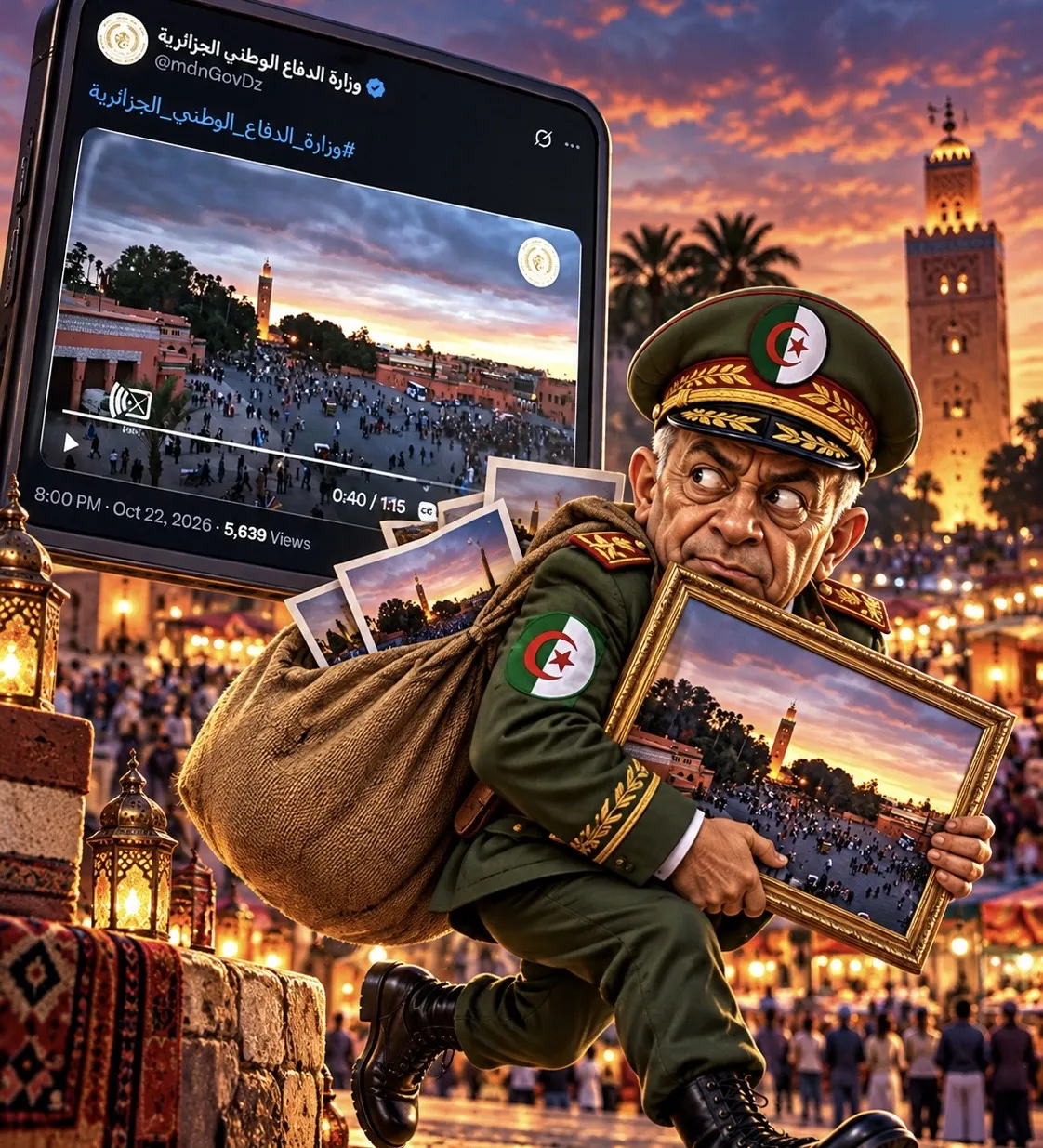
In a surprising and embarrassing media blunder, the Algerian Ministry of National Defense has inadvertently exposed the contradiction between its official propaganda and the realities of its presentation. The ministry utilized images from the heart of Marrakech, Morocco, in a promotional video that claims to highlight Algeria's achievements and its role in Africa. This incident raises serious questions about the credibility of content produced by a military institution that is expected to adhere to the highest standards of accuracy and discipline in its official communications.
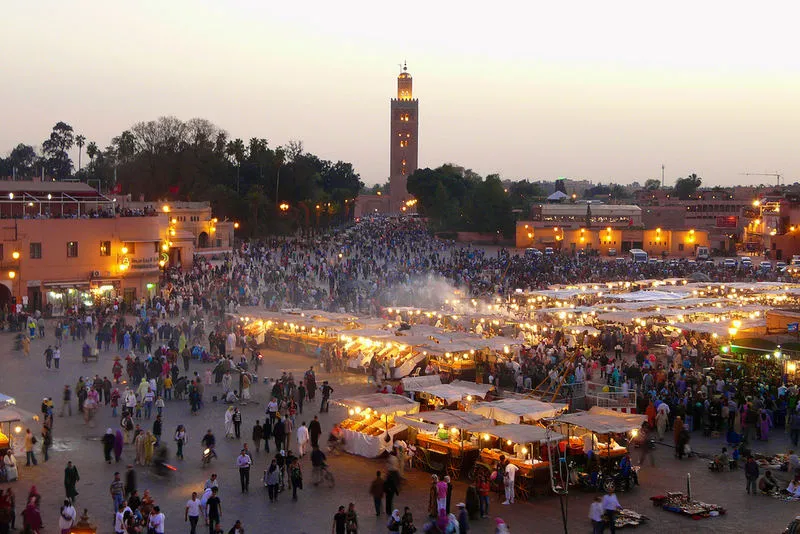
The video, published on the ministry's official account on the platform "X" on Thursday, October 22, 2026, shamelessly incorporated scenes of the iconic Jemaa el-Fnaa square and the Koutoubia Mosque, which are among Morocco's most famous historical landmarks, into promotional material discussing Algeria's contributions to African development and its defense of its peoples. Herein lies the stark irony: a narrative that showcases national achievements is undermined by visuals that derive their significance from a cultural heritage belonging to another nation.
This situation is not merely a matter of artistic interpretation or incidental shot selection; it is a profound professional failure that strikes at the core of institutional credibility. When an official piece fails to present images that align with the accomplishments it purports to showcase, legitimate questions arise regarding the authenticity of the message being marketed and the standards employed by the authorities responsible for producing such content.
Even more perplexing is the fact that the landmarks used are not obscure or easily mistaken sites; they are well-established Moroccan symbols that are recognized internationally. The Jemaa el-Fnaa square, with its rich oral and artistic heritage, has been designated as an intangible cultural heritage of humanity by UNESCO, while the Koutoubia Mosque stands as an architectural testament to the depth of Moroccan civilization and the historical significance of Marrakech.
This incident necessitates a clear condemnation of the neglect regarding historical and geographical accuracy in official promotional materials, especially when it concerns an institution that should be held accountable for what it disseminates to the public. The use of another country's landmarks to bolster a narrative boasting of national achievements cannot be dismissed as a minor detail, nor can it be adequately explained away as a possible editing error without an official clarification that delineates responsibilities and rectifies the confusion.
While the intentions behind the inclusion of these scenes cannot be definitively determined without further information, the outcome is unmistakable: a video intended to polish Algeria's image has inadvertently raised doubts about the professionalism of the message it carries, with Moroccan scenes becoming the focal point of viewers' attention. No matter how powerful the propaganda may be, it cannot create an alternative history, and no matter how expertly the editing may conceal details, it cannot alter the identity of the landmarks.
As reported by i3lamtv.com.