
2026 Legislative Elections: A Left That Wins but Lags Behind in Popular Districts
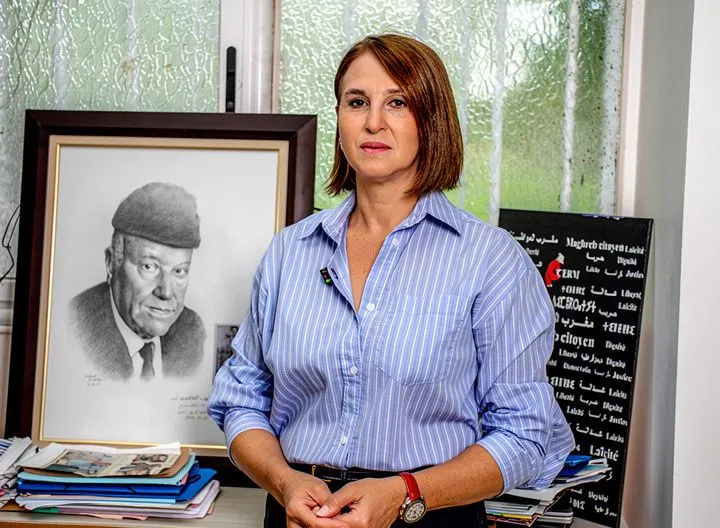
The recent legislative elections held on September 23, 2026, saw a modest success for leftist parties in Morocco, with the People's Socialist Party (PPS), the Unified Socialist Party (USFP), and the Alliance of the Left managing to secure a few seats. This success, however, is primarily attributed to their stronghold in affluent urban constituencies. In stark contrast, their appeal diminishes significantly in less affluent areas, where their electoral presence is almost nonexistent. Among the 395 seats contested, the USFP managed to garner 26 seats, the PPS secured 19, and the Alliance of the Left, which comprises the PSU and the FGD, obtained 8 seats, while the FFD captured 2. Although this totals around fifty elected officials, it pales in comparison to the significant gains made by other parties such as the National Rally of Independents (RNI) with 66 seats, Istiqlal with 65, and even the Justice and Development Party (PJD) which returned to the political scene with 54 seats. Moreover, voter turnout was alarmingly low at 38%, indicating a general apathy among the populace, including a notable absence of leftist voters. The PPS, led by Nabil Benabdallah, lost three seats, and the USFP, under Driss Lachgar, fell by eight seats. The only notable progression was seen with the Alliance of the Left, which increased its representation from two seats in 2021 to eight this year. Notably, Nabila Mounib, a prominent figure from the PSU, was re-elected in Anfa, a wealthy district of Casablanca, which underscores the disconnection between the leftist parties and the grassroots electorate. In Anfa, the radical left managed to secure a seat, while in Rabat-Océan, the Alliance was among the top three party lists during the counting phase. The educated elite in upscale neighborhoods, encompassing professionals and academics, still resonate with the left's discourse on public liberties, family law, and critiques of economic governance. These urban constituencies remain the last bastions of electoral support for the leftist political sphere. However, just a few kilometers away, the political landscape changes dramatically. In Ben M’Sick, a working-class neighborhood in Casablanca, the Alliance of the Left and the USFP struggled to muster a few hundred votes. In Sidi Moumen, Hay Mohammadi, and the outskirts of Salé, leftist ballots are a rare sight. Here, parties like the PJD, PAM, and RNI have become more adept at engaging with local networks and providing essential services, often simply through their presence in the community. More radical factions, such as the Democratic Path and the PADS, continue to remain outside of Parliament, largely criticizing the electoral framework rather than participating in it.
As reported by maroc-hebdo.com.