
Unveiling the Tactical Framework of Group C Teams
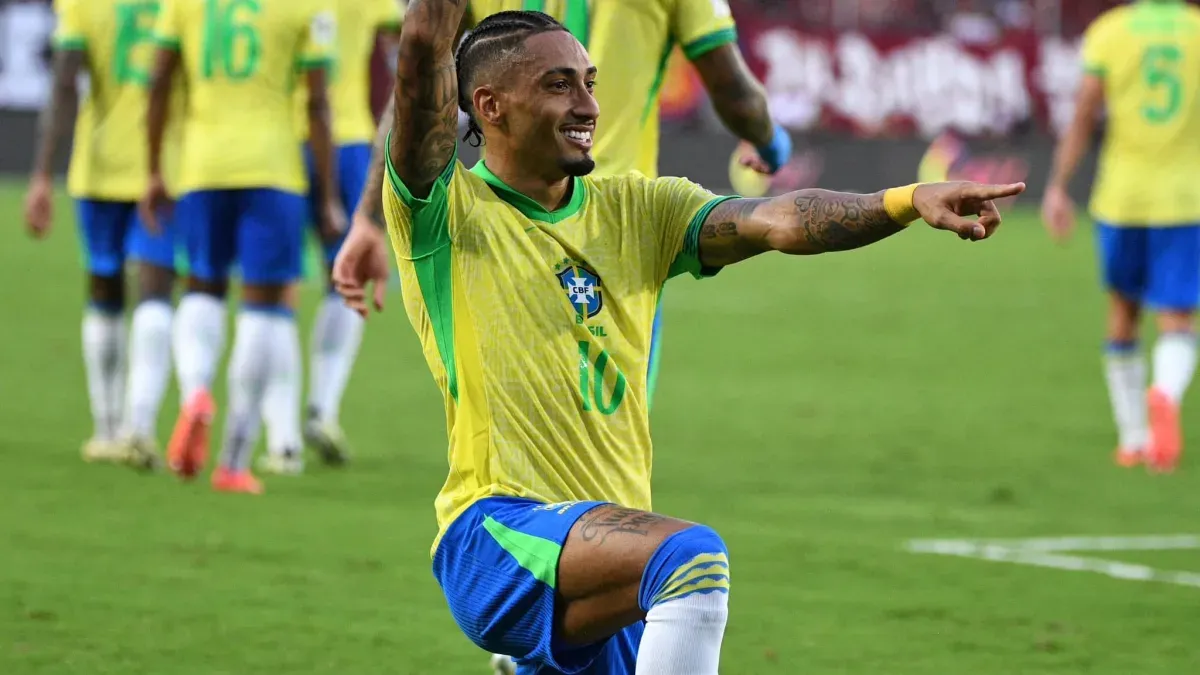
The 2026 World Cup Group C promises an intriguing mix of tactical approaches, featuring Brazil, Morocco, Haiti, and Scotland, each bringing their unique styles to the global stage. Brazil, under the experienced guidance of coach Carlo Ancelotti, has evolved into a more balanced squad compared to previous iterations characterized by raw improvisation. The March 2026 squad exemplifies this shift with a focus on elite wide forwards, a robust center-back lineup, and a midfield that emphasizes control rather than mere spectacle. Ancelotti's preferred formations, either a 4-3-3 or a 4-2-3-1, highlight a methodical buildup strategy that aims to position the front three in high-value attacking areas rather than relying on rushed vertical passes. This iteration of Brazil excels at pinning down opposing full-backs and creating diagonal runs into the box, with a midfield adept at stabilizing second balls and providing defensive support. The effectiveness of Brazil’s attack hinges on their ability to convert chances and occupy the penalty area effectively. Although Neymar's absence due to ongoing fitness concerns raises questions, his potential return could add another layer of dynamism to the squad. Moreover, Brazil's attacking depth features several candidates in the running for the coveted Golden Boot award.
On the defensive front, this Brazilian squad exhibits a more structured approach than many of its predecessors. The depth in the center-back position is noteworthy, indicating a focus on a defense-first mentality that supports the attacking flair. The anticipated defensive setup includes a mid-to-high block that applies pressure in waves, rather than through relentless intensity. However, a key vulnerability lies in managing the space behind the advanced full-backs and in front of the center-backs, particularly when both wingers remain high up the pitch. Set-piece responsibilities are likely to be distributed among key players such as Raphinha and Vinicius Junior, ensuring Brazil maintains a threat from corners and free kicks.
The Tactical Identity of Morocco, Haiti, and Scotland
Morocco enters the tournament with a reputation as one of the most tactically challenging teams in Group C. Under the leadership of new head coach Mohamed Ouahbi, the team retains its technical spine while refreshing several positions. Morocco’s tactical versatility allows them to operate in either a 4-1-4-1 or a 4-3-3 formation, but their identity remains consistent: they are compact and disciplined defensively, transitioning swiftly to attack whenever opportunities arise. Their most potent attacking maneuvers stem from dynamic wide plays and half-space combinations, making them a genuine threat during transitions. With players like Achraf Hakimi and Brahim Diaz leading the charge, Morocco is well-equipped to exploit any opponent's weaknesses in open-field scenarios.
Defensively, Morocco maintains a compact and narrow formation, emphasizing tight spacing in midfield and organized back-line distances. Their strength lies in their ability to effectively close central areas and apply pressure outward as needed. The full-backs can push forward aggressively, yet the team's overall defensive prowess is attributed to synchronized positional movements rather than a high-pressing game. This defensive structure is particularly effective against possession-dominant teams that may leave gaps to exploit.
On the other hand, Haiti, often viewed as the underdogs, possess a competitive structure under head coach Sebastien Migne, defined by defensive organization and athletic transition play. Predicted to adopt a 4-2-3-1 or 4-4-2 formation, Haiti focuses on compactness in defense and quick forward progression upon regaining possession. Their attacking strategy relies on moments of quality rather than sustained control, leveraging the speed and directness of players like Wilson Isidor and Jean-Ricner Bellegarde to capitalize on defensive lapses by their opponents. Haiti's defensive strategy centers on narrowing the game and forcing opponents to rely on crossing rather than penetrating centrally.
Lastly, Scotland returns to the World Cup under coach Steve Clarke, possessing a well-defined tactical identity characterized by structural discipline and a focus on team shape. The March 2026 squad highlights key players such as Andrew Robertson and Scott McTominay, with Clarke's preferred systems shifting between a 4-2-3-1 and a 3-4-2-1 formation. Scotland's attacking philosophy revolves around precise timing, territorial control, and set-piece execution, making them particularly dangerous in physical or open match scenarios. Their compact defensive setup prioritizes box protection, challenging opponents to break through their organized lines. With the potential for disruption against technically adept teams like Brazil and Morocco, Scotland's defensive resilience will be critical in navigating these high-stakes encounters.
As the tournament approaches, Brazil stands out as the clear favorite, with betting odds reflecting a 70-80 percent probability of winning the group. Morocco is positioned as a strong contender for second place, while Scotland is viewed as a competitive challenger. Haiti, though considered the underdogs, possesses the potential to create significant surprises with their disciplined approach. The tactical themes across Group C consistently highlight the importance of wide area control, set-piece execution, and transition defense, setting the stage for a captivating World Cup experience.
As reported by rotowire.com.