
Unveiling the Heart of a Social Thriller
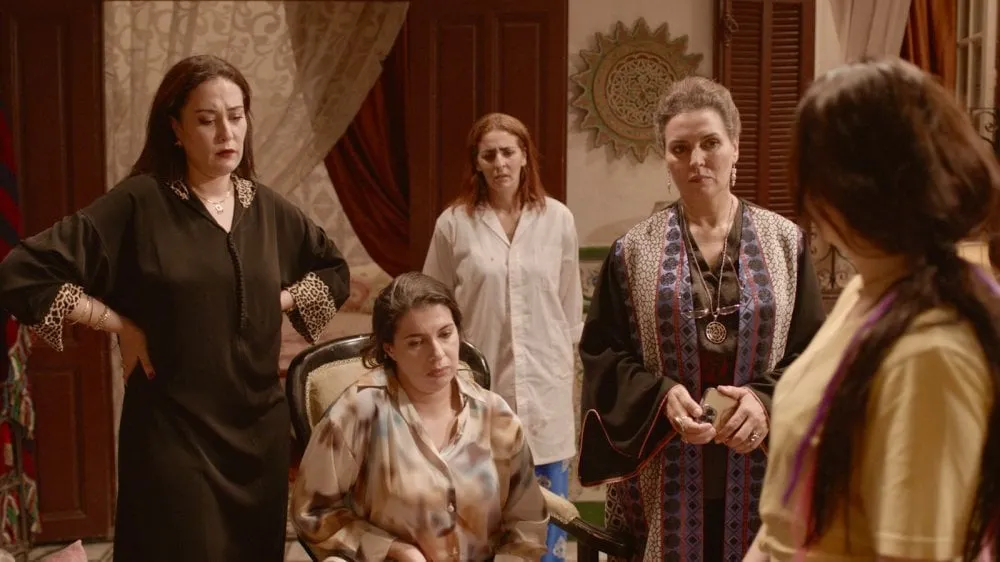
The series "3ech Tma3" is poised to emerge as one of the most impactful Ramadan dramas of the season. Directed by Ayoub Lahnoud and crafted by the talented writing team of Basma El Hijri, Imane Azmi, and Jawad Lahlou, this series tackles a delicate and urgent topic: newborn trafficking. This bold thematic choice imbues the project with significant social relevance, addressing a grave issue that resonates deeply within society.
Behind the Scenes: The Genesis of a Compelling Narrative
In an interview, Jawad Lahlou shared insights into the origins of this ambitious project, explaining that he and director Ayoub Lahnoud had recently completed their collaboration on the series "Aam w Nhar". Building on that experience, they were eager to work together again. Lahlou expressed a fascination with narratives involving organized crime, while Lahnoud envisioned a story centered around a group of women. Their creative convergence led to the inception of "3ech Tma3", which follows a criminal organization engaged in the abduction of children and a mother who infiltrates their ranks in search of her own child. The development of the storyline was a meticulous process, taking four to six months and requiring numerous revisions to ensure the narrative's integrity and character depth. The initial chapters received particular scrutiny to captivate the audience right from the opening scenes, especially in the highly competitive landscape of Ramadan programming.
When discussing the relevance of social themes in contemporary storytelling, Lahlou noted that Moroccan audiences have a genuine appetite for social issues. Drawing from his twelve years of experience as a screenwriter, he emphasized that viewers often seek reflections of themselves in the narratives, allowing for a deeper connection to the stories being told. The series aims to transform real-life events into dramatic portrayals that resonate with audiences, creating authentic characters that evoke empathy and, potentially, personal catharsis.
Moreover, Lahlou underscored the importance of quality in screenwriting, which significantly influences the actors' performances. A well-crafted script not only inspires actors but also provides them with the necessary framework to portray complex characters authentically. He highlighted the importance of nurturing pure talent over fleeting social media fame, asserting that true artistry requires introspection and substance.
As the conversation shifted towards the status of screenwriters in Morocco, Lahlou expressed that despite the common perception of writers being marginalized, he has never felt excluded from the creative process. He noted that screenwriters often play pivotal roles in project development, from initiating ideas to advocating for them during production bids. This connection between writers and their work is vital, reinforcing the significance of their contributions to the industry.
Reflecting on the progress of Moroccan fiction, Lahlou acknowledged the remarkable advancements made in recent years, despite budgetary constraints. He believes that the quality of storytelling has improved significantly, allowing Moroccan productions to compete with international standards, even when working with limited resources.
In conclusion, Lahlou advocates for more structured training for aspiring screenwriters in Morocco, emphasizing the need for international exposure through workshops and masterclasses. Institutions like Art Institute and the École supérieure des arts visuels (ESAV) are already making strides in nurturing talent, offering hope for future generations of storytellers.
As reported by lematin.ma.