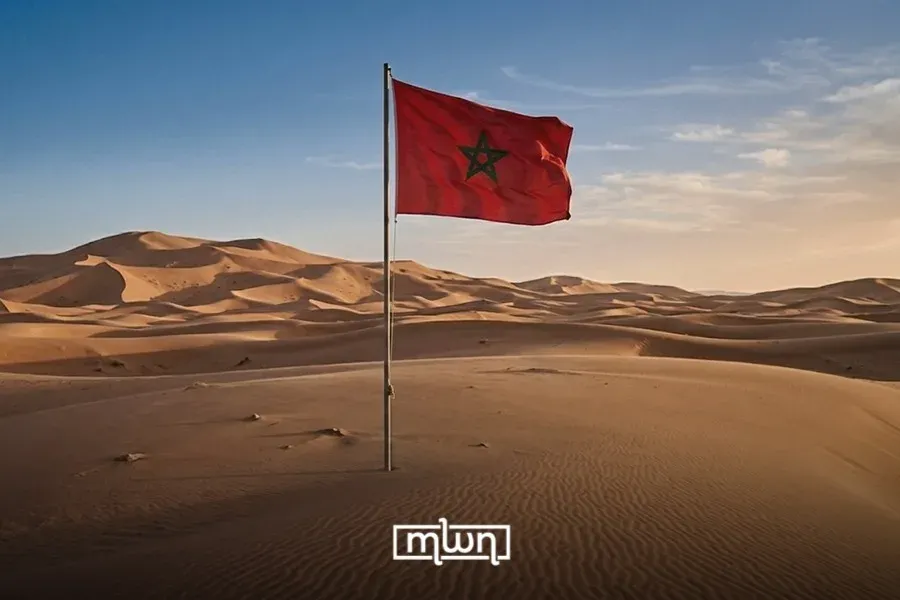

The Moroccan flag proudly flutters over the Sahara, symbolizing the nation's sovereignty, cultural identity, and territorial integrity. In a significant display of international solidarity, a coalition of 40 countries recently reaffirmed their support for Morocco's claim to its southern provinces during the 62nd session of the United Nations Human Rights Council held in Geneva. This gathering underscored a pivotal moment for Morocco as it seeks to solidify its stance on the Western Sahara issue.
During the session, Morocco’s ambassador to the United Nations in Geneva, Omar Zniber, delivered a compelling statement emphasizing that the matter concerning Western Sahara is fundamentally a political dispute. He asserted that it falls under the jurisdiction of the UN Security Council, rather than being a subject for human rights organizations to mediate. The countries backing Morocco highlighted their commitment to the country’s Autonomy Plan, which they regard as a viable and credible foundation for achieving a lasting resolution to the conflict, aligning with the guidance provided by the Security Council in recent years.
The supportive nations also voiced their endorsement of Security Council Resolution 2797, which advocates for renewed dialogue among the involved parties, aiming to reach a mutually acceptable resolution. They affirmed that Morocco’s Autonomy Plan should remain central to these discussions, viewing it as a pragmatic approach to resolving a dispute that has persisted for decades while ensuring regional stability. Moreover, the statement acknowledged Morocco's ongoing efforts to refine its Autonomy Plan, particularly highlighting Rabat’s stance on the repatriation of populations from the Tindouf camps, assuring that integration would occur under equal rights and citizenship conditions, a crucial aspect for any long-term resolution.
Further, the countries recognized Morocco's active engagement with UN human rights mechanisms, citing its cooperation with the Office of the High Commissioner for Human Rights and other UN processes throughout the nation. However, they cautioned against the potential misuse of human rights forums for political disputes, advocating that such platforms should maintain impartiality and avoid being politicized.
Another noteworthy aspect raised during the session was the increasing establishment of foreign consulates in Laayoune and Dakhla. This development was seen by the group as indicative of a broader trend reflecting economic interests, investment opportunities, and stronger diplomatic ties with the region. They interpreted these diplomatic activities as instrumental to local development and part of a larger continental vision.
Concluding their statement, the countries articulated a broader perspective on the resolution of the Sahara dispute, suggesting that a successful outcome would extend beyond the immediate parties involved, fostering enhanced cooperation throughout Africa and the Arab world. At a time when economic integration is a collective aspiration, Morocco continues to pursue this goal through persistent diplomatic endeavors and a well-defined political framework.
As reported by moroccoworldnews.com.