Polisario Front Redefines Independence Strategy Amid US Mediation
The Polisario Front has recently shifted its stance regarding independence, now considering it no longer the sole option in the ongoing conflict with Morocco. This notable change follows several rounds of dialogue facilitated by the United Nations, with two held in Washington and one at the U.S. Embassy in Madrid. The Polisario now views the proposal for autonomy in Western Sahara under Moroccan sovereignty as the "most viable" solution to the long-standing dispute.
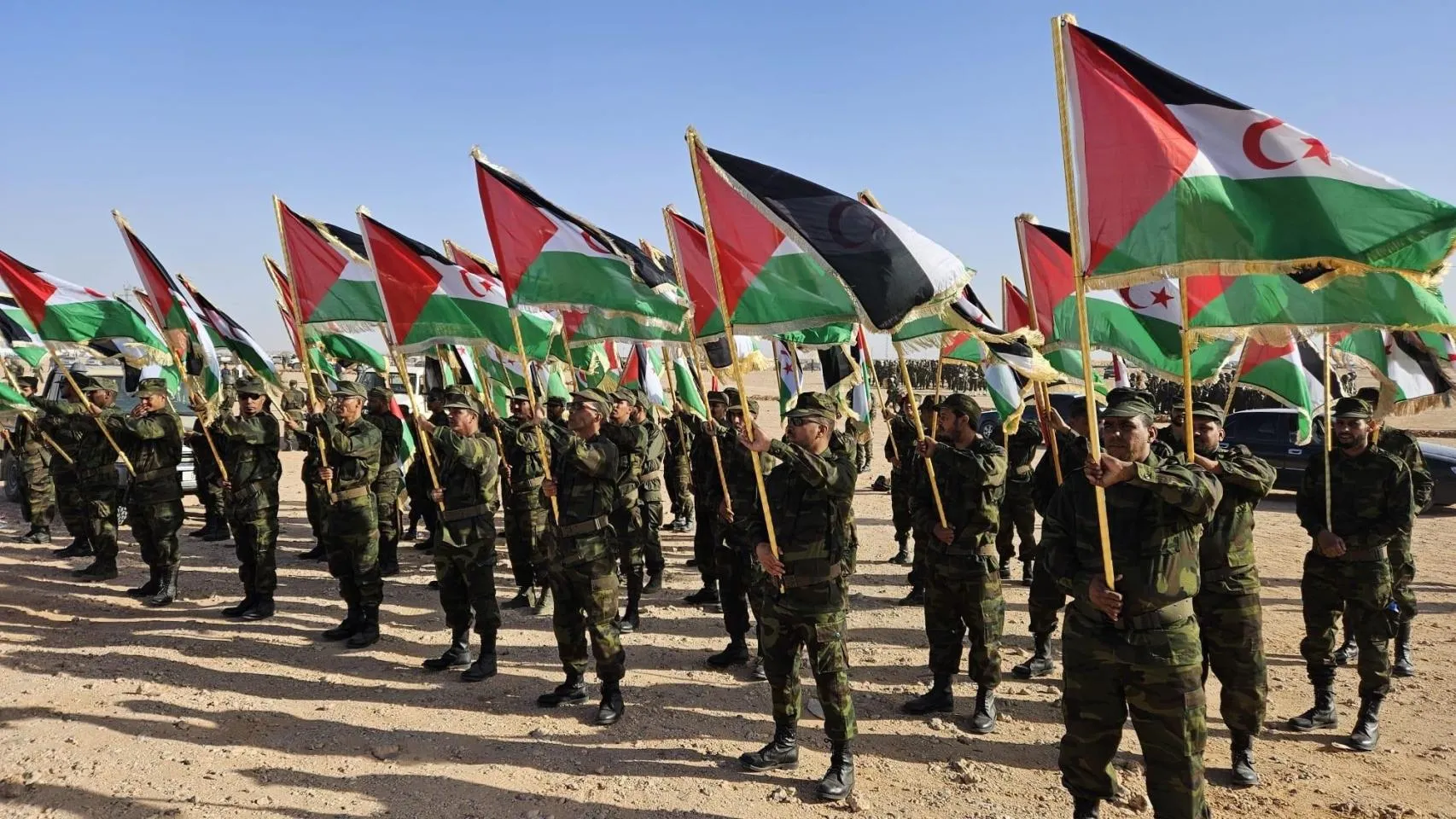
Despite this shift, the Polisario remains critical of Morocco's sincerity in negotiations, expressing concerns over the difficulty of achieving genuine autonomy under the current Moroccan regime. Time takes on a different meaning in the Sahara, particularly in the refugee camps of Tindouf, where the pace of life appears to slow significantly. A military parade commemorating the 50th anniversary of the proclamation of the Sahrawi Arab Democratic Republic (RASD) may well start long after its scheduled time, reflective of the unique customs and rhythms of Tindouf, a place that has become synonymous with the Sahrawi experience.
The enduring conflict with Morocco has led to over 100,000 Sahrawi refugees residing in these camps, as estimated by the UNHCR. Among them are older individuals who cling to memories of their homeland and younger generations who have never set foot in what they consider their true home, casting doubt on the feasibility of ever returning. Mohamed Yeslem Beisat, the RASD's Minister of Foreign Affairs and African Affairs, bears the heavy responsibility of changing the material and physical realities of the Sahrawis, striving to end an exile that has persisted for more than fifty years. He represents the Polisario Front in renewed negotiations with Morocco, facilitated by the United States under former President Donald Trump.
Hope Amidst Complexity: The Role of US Mediation
Veteran Sahrawi leader Bachir Mustafa Sayed, recently appointed president of the Sahrawi Parliament, expressed the urgency conveyed by U.S. representatives to accelerate efforts towards an agreement, despite the distractions posed by ongoing conflicts in the Middle East. The parties involved, including Algeria and the United Nations but notably excluding Spain, are handling the negotiations with significant secrecy. Beisat confirmed that since the UN Security Council approved Resolution 2797, three dialogue rounds have taken place, signaling a potential shift in how autonomy under Moroccan sovereignty is perceived as a feasible resolution.
Though the Polisario Front acknowledges that independence cannot remain the only objective, they also refute Morocco's autonomy plan. They appreciate the renewed involvement of the Trump administration in the negotiation process, emphasizing that U.S. mediation brings new significance and hope to the issue. However, the Polisario leaders downplay Trump's role, given that he previously recognized Moroccan sovereignty over Western Sahara as part of the Abraham Accords. This concession was seen as a trade-off for Morocco's normalization of relations with Israel.
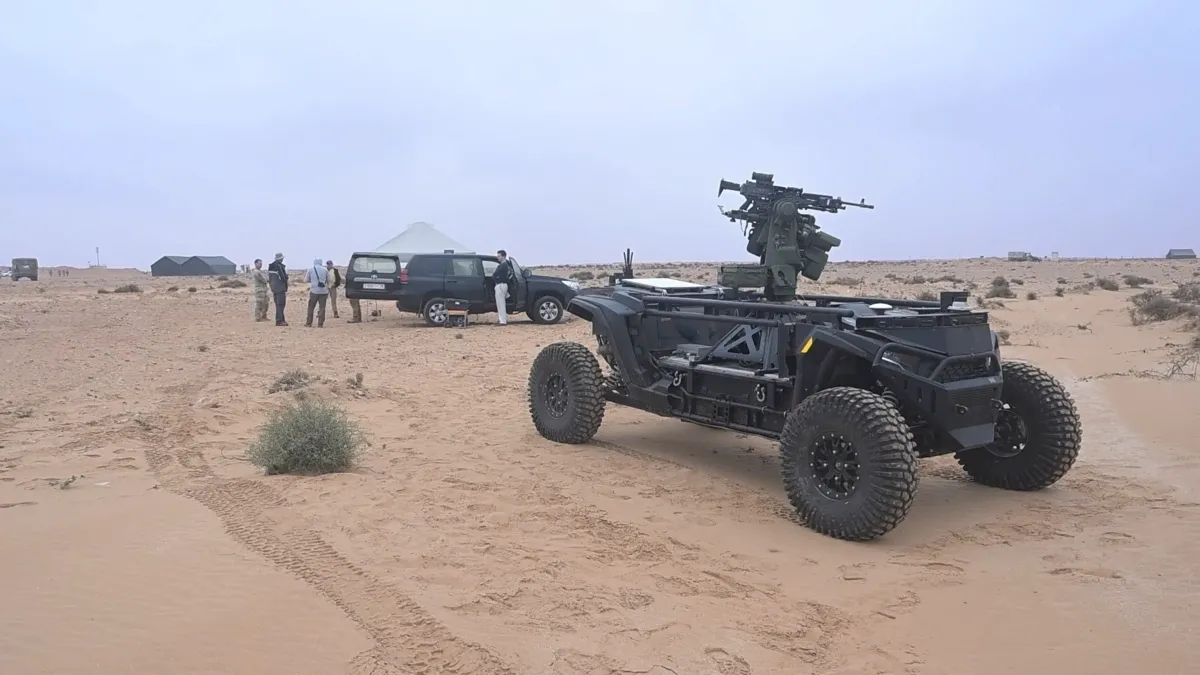
Leaders from the Polisario also express skepticism about Morocco's genuine commitment to negotiation, citing the discrepancy between Morocco's conciliatory gestures during dialogue and its actions outside of it. They argue that Morocco, which lacks a democratic framework to support a credible autonomy, continues to exploit the region's resources while bolstering its military capabilities through alliances with the United States and Israel. This complex interplay of regional dynamics and international relations continues to shape the future of the Sahrawi people and their aspirations for self-determination.
As reported by elespanol.com.