
The Humanitarian Crisis in Ceuta: A Reflection of Europe's Vulnerability
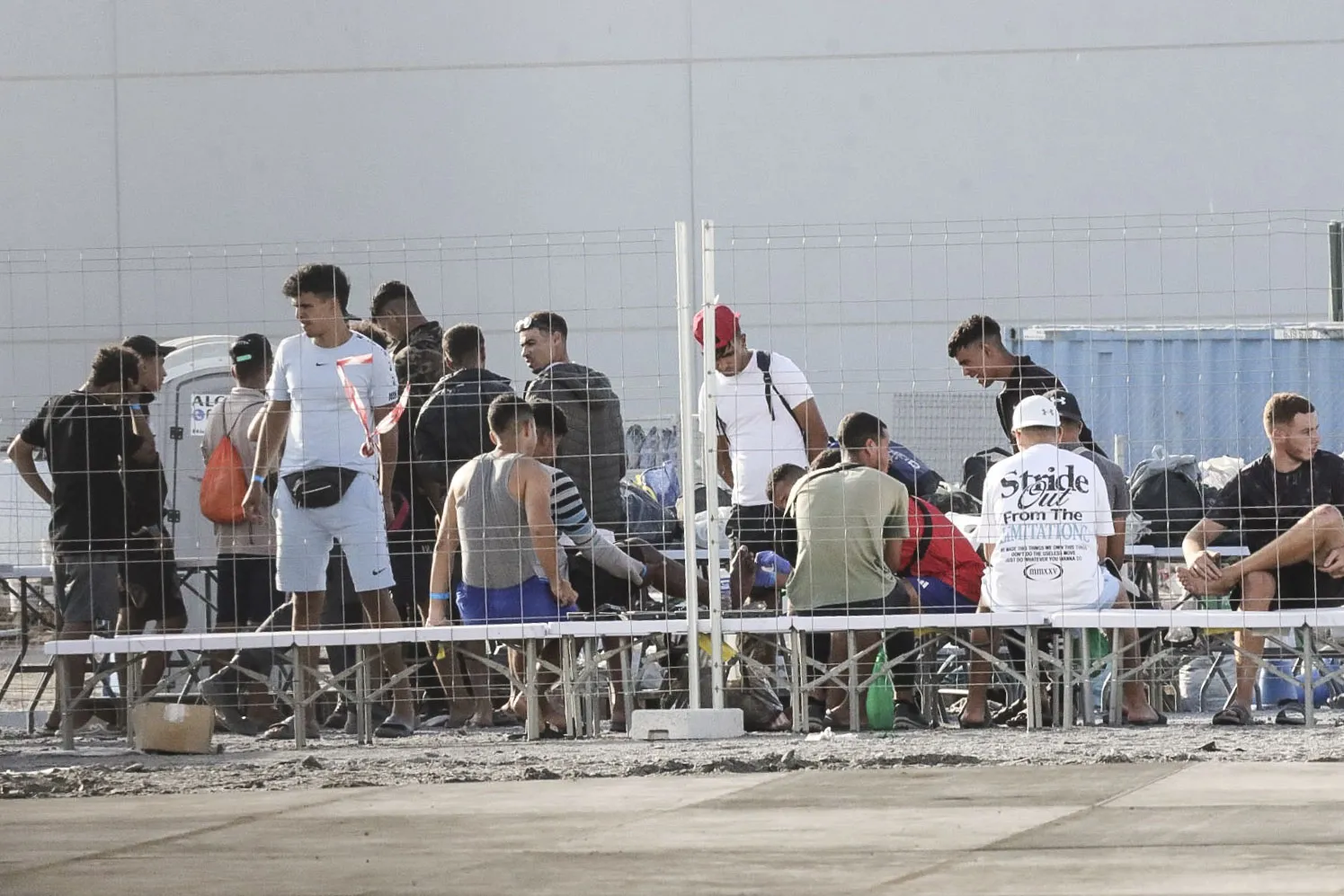
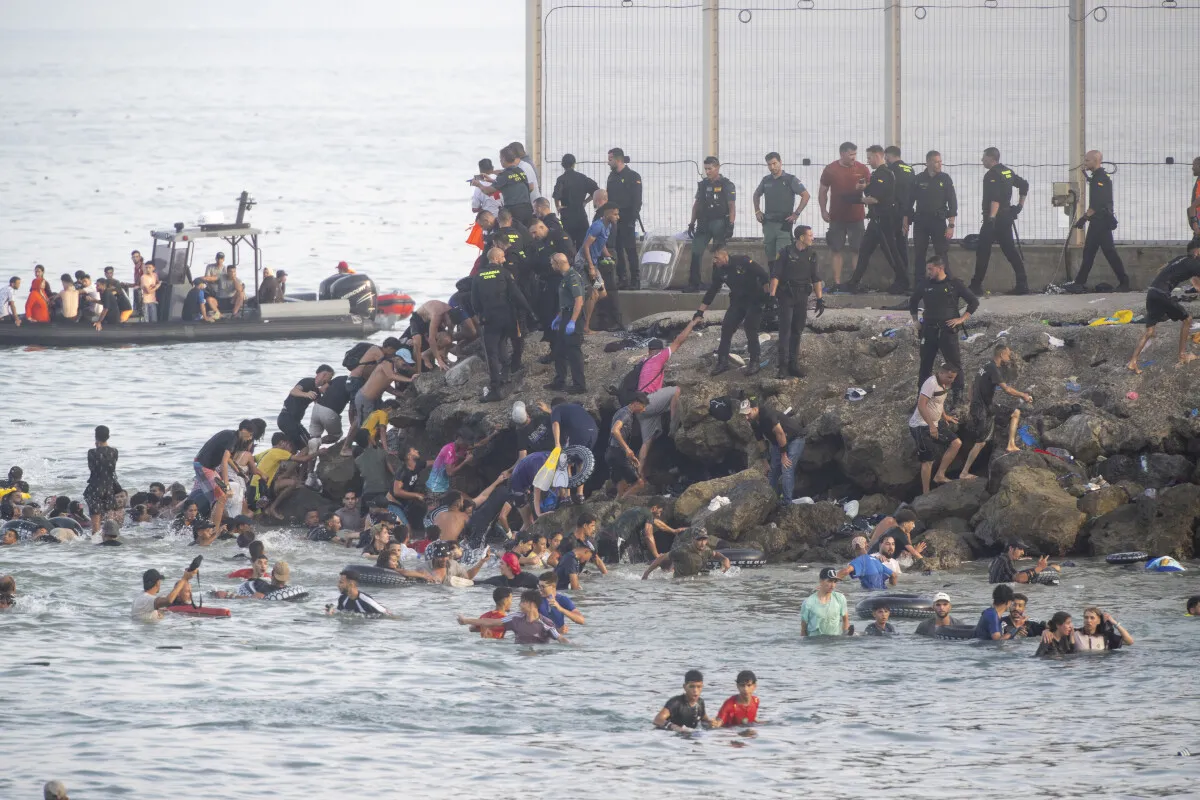
In a startling turn of events, approximately 72,000 individuals from Morocco recently made their way to the Spanish enclave of Ceuta, driven by rumors circulating on social media platforms about an alleged open border. This surge in migration has exposed the inherent vulnerabilities within the European Union's handling of border control, particularly when reliant on authoritarian regimes for enforcement. The situation escalated quickly as images of people swimming to the shores of Ceuta, congested streets, and military presence along the border sparked significant political alarm across the continent. Within a matter of days, the influx of migrants, which tragically resulted in at least 75 fatalities, transformed what is typically a quiet city of 84,000 residents into a scene of crisis.
Critics have pointed out that while the images painted a picture of chaos, the reality was somewhat different. Contrary to claims that tens of thousands were en route to France, Germany, or Italy, most of those who arrived in Ceuta returned to Morocco shortly after. The Spanish government confirmed that no one made it to the mainland, as Ceuta, although part of Spain and the EU, is geographically situated in Africa, and access to the Iberian Peninsula is tightly controlled.
How Misinformation Led to Mass Migration
A significant catalyst for this mass border crossing appears to have been widespread misinformation regarding the border's status. Videos showcasing successful crossings, along with maps detailing swimming routes and tips on when the coast guard was purportedly inactive, circulated widely on platforms like TikTok and Facebook. Additionally, there were claims that those who reached Ceuta by swimming could not be sent back and might find work or a legal residency. These assertions, while ultimately false, drew from real judicial decisions made by the Spanish Supreme Court, which ruled that individuals intercepted at sea could not be sent back to Morocco without due process. A prior ruling also mandated that the individual circumstances of unaccompanied minors must be assessed, rather than subjecting them to blanket deportations.
This misinformation spurred a mass movement, but it did not fully explain how so many were able to cross the heavily monitored border. Many migrants reported that Moroccan security forces had facilitated their passage, guiding them or urging them onward. While there is no confirmed directive from Rabat, the idea that such a large number could cross the border against the wishes of authorities seems implausible given the usual stringent surveillance.
As reported by mopo.de.