
A Fueling Crisis: How a Simple Gasoline Request Almost Shook Kawkab de Marrakech
The recent events surrounding Kawkab de Marrakech highlight how even the most mundane logistical requests can escalate into significant internal turmoil. A seemingly harmless request for fuel by the team's president, Driss Hanifa, aimed at refueling the team's bus before a crucial match against Wydad, spiraled into a whirlwind of accusations, internal strife, and fan unrest.
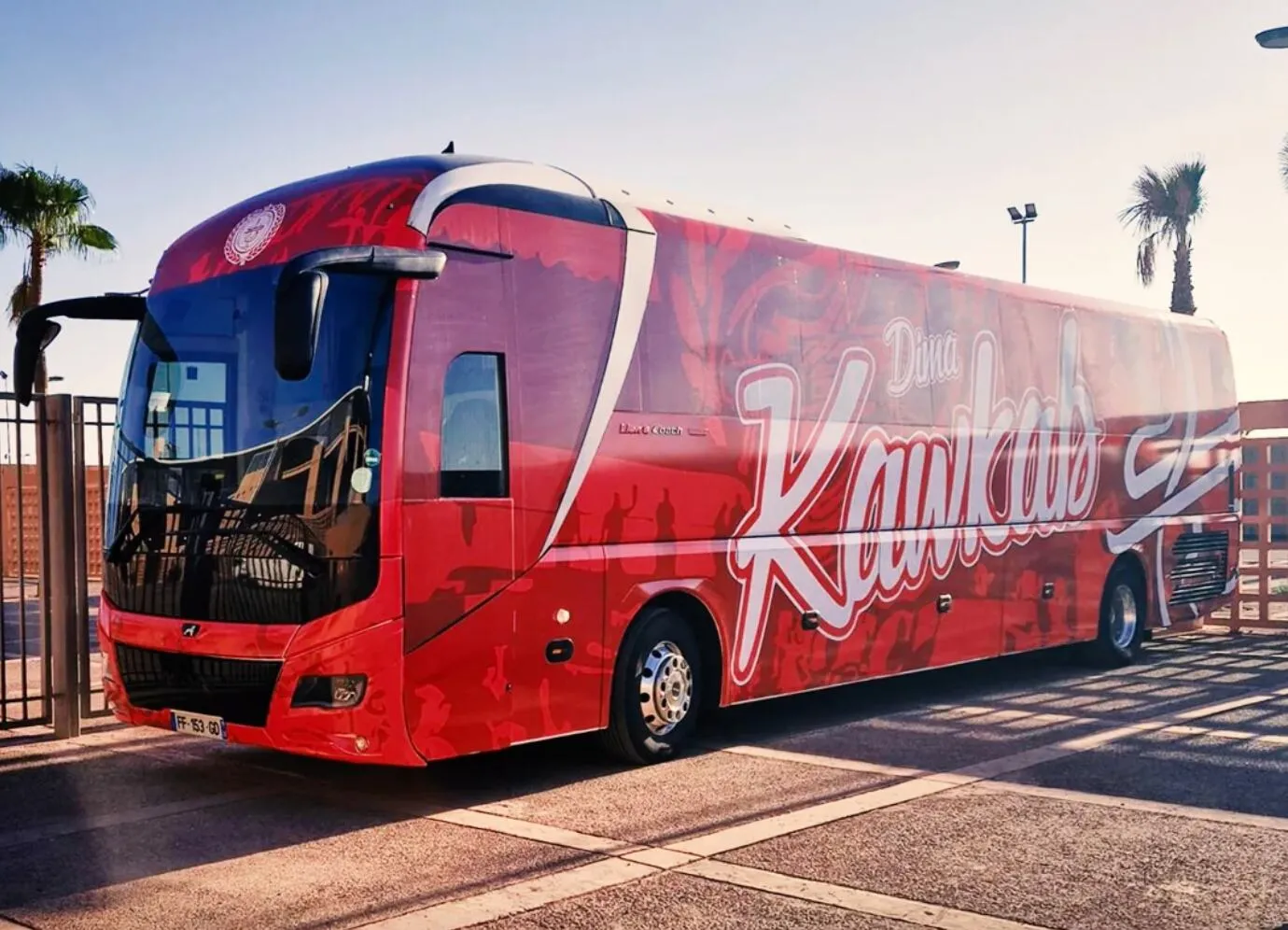
According to reports, the trouble began when Hanifa instructed coach Hicham Dmii to make a pit stop at a gas station en route to Fqih Ben Salah for a Coupe du Trône match. Though this request was intended to be straightforward, it ignited a fierce confrontation, leading Hanifa to characterize Dmii's response as an "hysteria crisis," claiming the coach reacted vehemently in front of players and staff. However, this official narrative was quickly challenged, as insiders suggested that the incident was merely a manifestation of deeper-seated issues plaguing the team.
Tensions had been simmering for some time, particularly between Dmii and sporting director Zaid Blinda. Dmii reportedly felt undermined by what he perceived as intrusive interventions from Blinda, which further eroded his authority. The club's leadership backing Blinda only intensified the discord. In response to the fallout, Kawkab de Marrakech moved swiftly to control the narrative, dismissing allegations of interference and announcing Dmii’s summons before the disciplinary and ethics committee, ostensibly to publicly restore order.
As the situation unfolded, conversations regarding potential successors for Dmii began to surface, with Mohamed Amine Benhachem, recently released by Wydad, becoming a frequent topic of speculation. However, the most vocal response emerged from the supporters. Many fans took to social media, expressing outrage at what they viewed as a mismanagement of the situation and an unjustified treatment of their coach. The club's communications, they argued, seemed biased, serving more to absolve the club than to provide clarity.
With Kawkab languishing in 10th place after 15 rounds of matches, amassing only 16 points, the timing of this crisis could not have been worse. Many supporters voiced that internal conflict during such a precarious period was counterproductive, emphasizing the need for stability and continuity within the organization.
Ultimately, a resolution was reached through dialogue. Following his appearance before the ethics committee, Dmii issued an apology to Hanifa, reaffirming his commitment to the club's values. Hanifa accepted the apology, emphasizing the importance of mutual respect between the two. This episode, lasting just over 48 hours, nevertheless left lingering questions about the club's internal dynamics. With a critical match against Wydad looming, one must wonder whether Kawkab has truly addressed the underlying fractures or merely placed a temporary bandage over a much deeper issue.
As reported by sport.le360.ma.