Arab Nations Unite on Football's Grand Stage
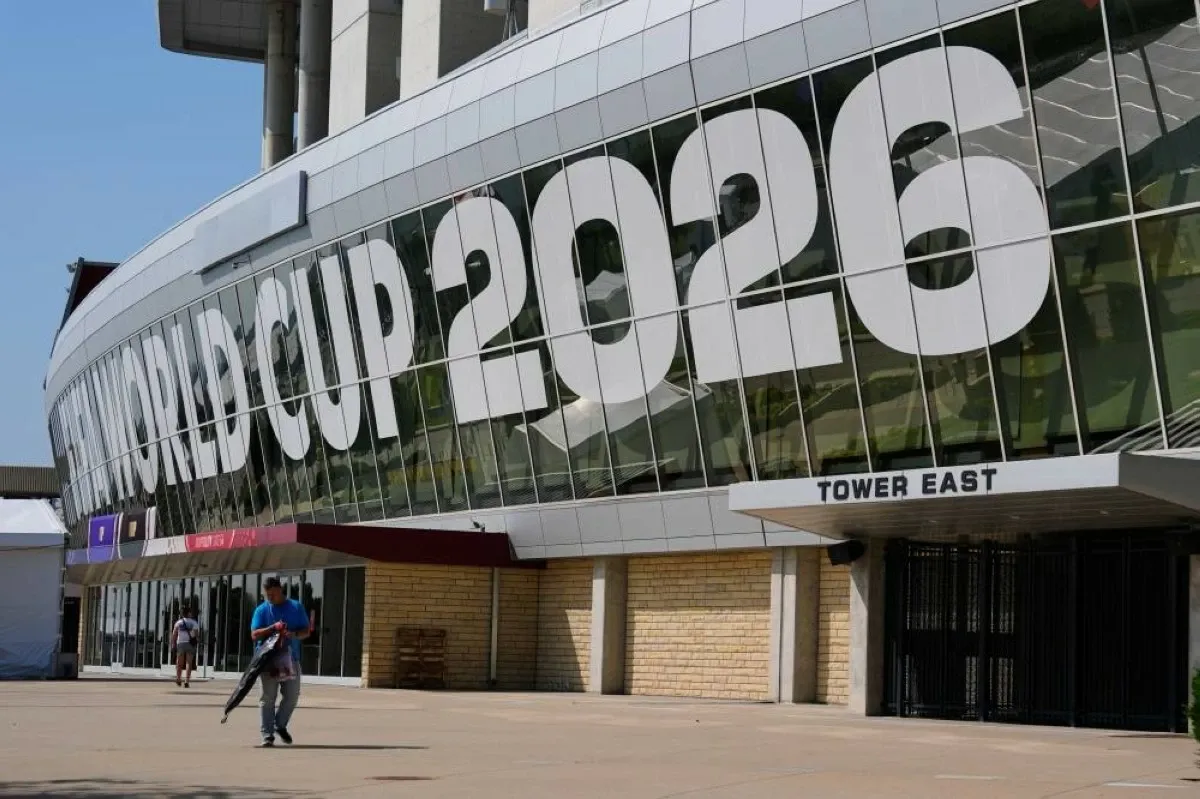
The 2026 FIFA World Cup is set to be a groundbreaking event for the Arab world, as it marks the first time in the tournament's history—since its inception in 1930—that eight Arab nations will compete on this prestigious platform. This remarkable milestone transcends mere sports; it symbolizes a region that has significantly enhanced its confidence, investments, and aspirations, thereby reshaping its global presence. What once represented a symbolic participation has transformed into a powerful collective assertion of capability and ambition.
Historically, the representation of Arab teams in the World Cup has been limited. In past tournaments, only one or two teams would qualify every four years, often shouldering the hopes of an entire region. For instance, in 2010 and 2014, only one Arab team made it to the finals, while in 2006 and 2002, there were two representatives. Even the 2018 and 2022 editions, which featured four Arab teams each, now appear modest in comparison. The remarkable leap from four to eight teams is not just a numerical increase; it signifies a profound structural transformation within Arab football. Years of investment in youth development, the establishment of professional leagues, and enhancements in sports infrastructure—particularly in the Gulf region—have laid the groundwork for this momentous achievement.
Changing the Narrative: From Participation to Competition
The expansion of the World Cup to accommodate 48 teams has certainly opened more opportunities, yet qualification is still a hard-earned privilege. The inclusion of Qatar, Saudi Arabia, Morocco, Tunisia, Algeria, Egypt, Iraq, and Jordan in the tournament showcases a new level of maturity in Arab football. Morocco’s historic journey to the semifinals in 2022 demonstrated that Arab teams can compete with the world's elite, while Saudi Arabia’s stunning victory over Argentina signaled that they are no longer daunted by traditional football powers. Such groundbreaking moments have significantly shifted expectations across the region.
This time, Arab teams are not merely participants; they arrive with the intent to compete. Morocco seeks to build on its success from 2022, Algeria returns with renewed vigor, and Egypt aims for its first World Cup victory after numerous near misses. Jordan will make its debut, fueled by momentum and confidence, while Gulf teams, particularly Saudi Arabia and Qatar, come equipped with the backing of burgeoning domestic leagues and substantial investments in talent development. The overarching narrative has shifted dramatically—ambition has replaced anxiety.
The implications of having eight Arab teams in the World Cup extend well beyond the realm of sports. Such representation translates into unprecedented regional viewership and a shared sense of pride across a region often divided by political strife but united through the love of football. Additionally, this increased visibility enhances the commercial influence of the Arab world, as global brands are increasingly recognizing the region as a central market. For Gulf nations, football represents a key element of a broader strategy focused on soft power, economic diversification, and global engagement. The 2026 tournament will undoubtedly reinforce this trajectory.
Economically, the effects are substantial. A prominent World Cup presence can elevate player valuations, attract foreign investment into domestic leagues, and accelerate the development of youth academies. The convergence of the Gulf's financial resources, North Africa's rich talent pool, and the evolving football culture in the Levant signals the emergence of a cohesive and interconnected sporting ecosystem. This is not just a temporary rise; it marks the beginning of a long-term cycle poised to reshape the sporting landscape in the region for years to come.
Perhaps the most profound shift lies in the psychological realm. For generations, Arab fans have watched the World Cup divided in their loyalties—supporting one Arab representative while often adopting a European or South American team as a secondary choice. In 2026, the narrative transforms, as the region enters the tournament with a full delegation, representing eight flags, eight anthems, and eight opportunities to dream. The emotional weight of this moment will resonate deeply from Rabat to Riyadh, from Cairo to Dubai.
In conclusion, the presence of eight Arab nations in the World Cup is not merely a statistic; it is a resounding declaration of arrival. It signifies that Arab football has transitioned from the periphery to the forefront of the global arena, affirming that the region is not just ready to participate, but to contend on the world stage. This pivotal moment underscores the reality that the next chapter of world football will undoubtedly involve the Arab world, playing a leading role in shaping its future.
As reported by emirates247.com.