
Kazakhstan's Strategic Focus on Morocco for Grain Exports
Kazakhstan is setting its sights on increasing grain exports to Morocco, aiming to enhance agricultural and commercial collaboration between the two nations. This ambition was articulated by Asylkhan Dzhovashiev, Chairman of the Board of the National Food Company of Kazakhstan, during the Kazakh-Moroccan Business Council meeting held in Casablanca, Morocco's economic capital, attended by officials and business leaders from both countries. Dzhovashiev emphasized that Kazakh agricultural producers currently export to over 80 countries, a testament to the efforts of the National Food Company, which has raised grain and flour exports to over 15 million metric tons in the previous agricultural season while also opening new markets in Europe, North Africa, the Middle East, and Southeast Asia.
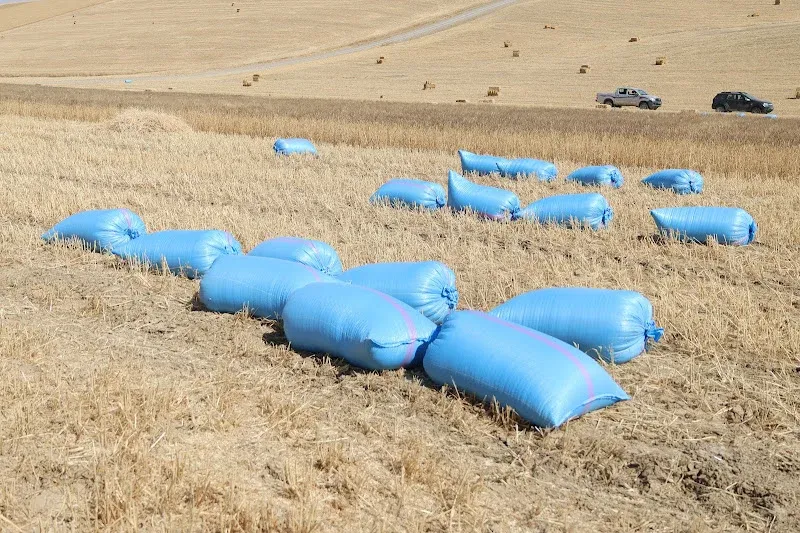
The exporting of wheat to Morocco stands out as a significant area of cooperation between the two countries. In May of the previous year, the National Food Company of Kazakhstan successfully shipped its first wheat consignments to buyers in Morocco, with total grain shipments to the kingdom surpassing 161,000 tons, reflecting a robust demand for Kazakh agricultural products in the Moroccan market. Dzhovashiev highlighted that Kazakhstan does not view Morocco merely as a promising market for its grain exports; rather, it sees the country as a strategic logistical and commercial hub to expand its presence in North and West Africa and to bolster cooperation with international traders, manufacturers, and distributors.
Investment Opportunities and Economic Collaboration
During the Kazakh-Moroccan Business Council, entrepreneurs from both nations discussed potential investment opportunities. Kazakh economic actors expressed a keen interest in attracting Moroccan investments, particularly in projects focused on processing and transforming agricultural products. They underscored the importance of broadening the scope of bilateral cooperation in agricultural technologies and food industries to enhance food security. Furthermore, the Kazakh delegation engaged in discussions with "OCP Nutricrops," a subsidiary of the Office Chérifien des Phosphates, concentrating on exploring collaborative opportunities and the potential launch of joint projects.
According to official data, trade exchanges between Morocco and Kazakhstan surged by over 68% by the end of last year, reaching more than 461 million USD. Moreover, this trade volume increased by 58% during the first four months of the current year, amounting to over 167 million USD. In light of this dynamic trade environment, Kazakhstan is betting on expanding its foothold in one of North Africa's grain markets through Morocco, especially given the fierce competition from grain exporters in the European Union, Russia, Ukraine, and other countries.
In June, during a meeting in Casablanca that brought together ambassadors from Asia-Pacific countries and the President of the General Confederation of Moroccan Enterprises, Sauleekol Saylaukiz, the Ambassador of Kazakhstan to Morocco, emphasized the significant potential for commercial and economic cooperation between Asian countries and Morocco. She highlighted the importance of optimally leveraging current opportunities to increase trade volumes, strengthen investments, and enhance trade links. The ambassador also noted that the visa exemption system between Morocco and Kazakhstan has significantly contributed to expanding commercial and tourism exchanges between Rabat and Astana, emphasizing that the establishment of the Kazakh-Moroccan Business Council marks a crucial step in developing direct communications between the business communities of both countries.
As reported by hespress.com.