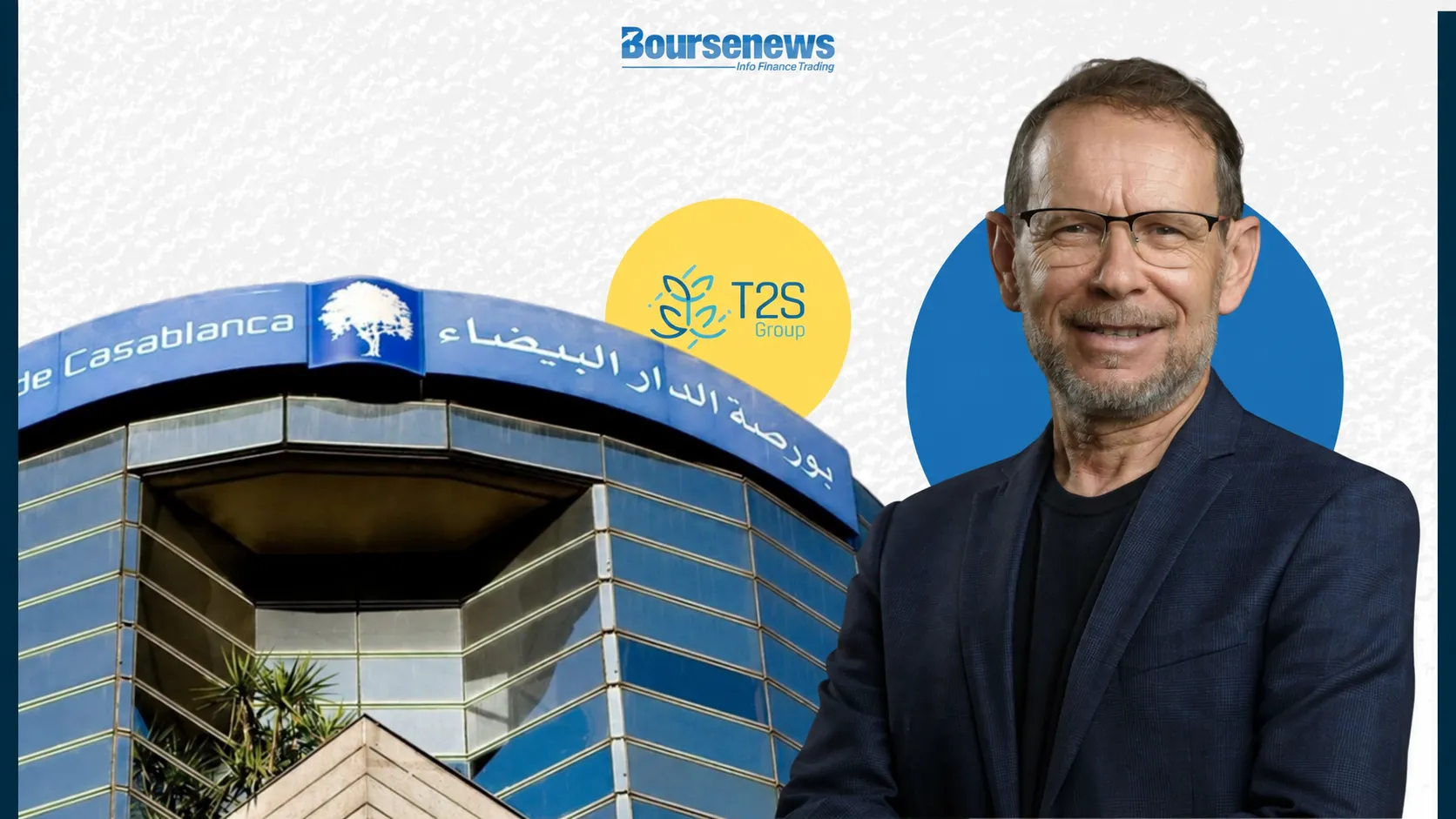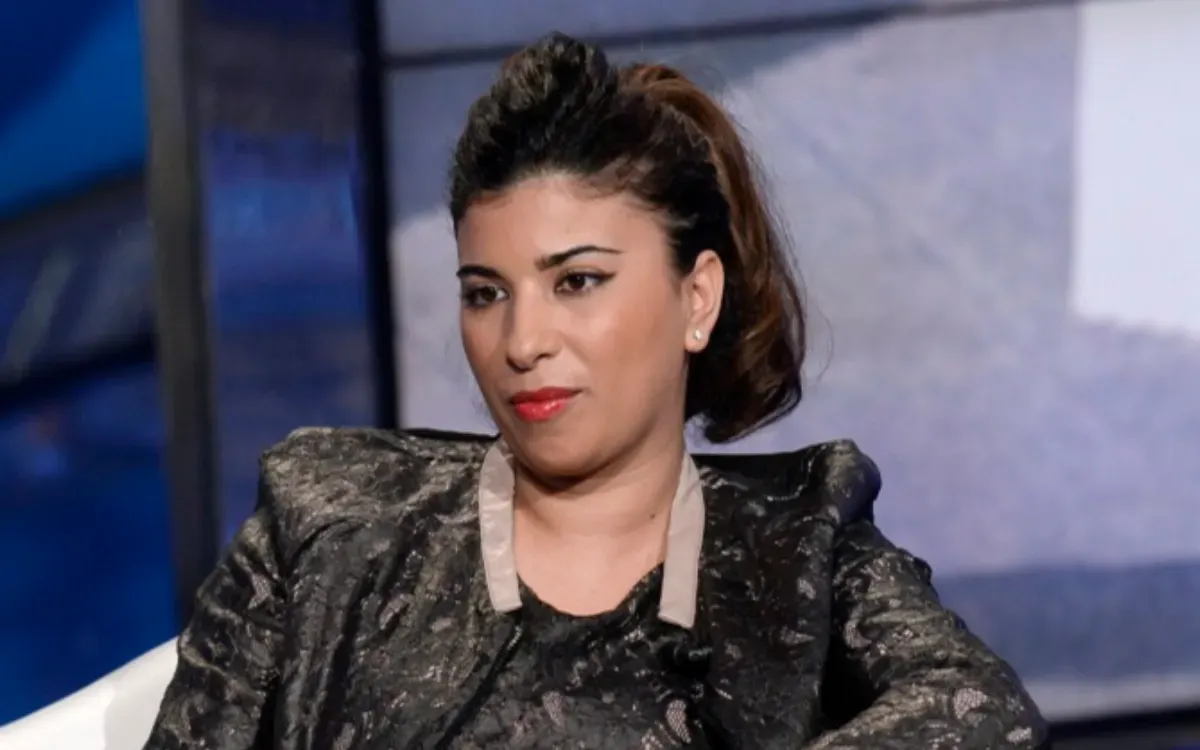

On September 24, 2026, Nadia El A. reported on the remarkable story of Mohamed, a 75-year-old Moroccan who has spent the last 45 years in Italy, and continues to communicate in Italian even in the streets of Casablanca. Despite occasional corrections from his grandchildren, his ability to converse in Italian remains a significant part of his identity. His daughter, journalist Karima Moual, shares his journey at a time when Italy is considering new language policies for schools.
Kariama recounts a humorous moment when her father spoke Italian to someone in Morocco, oblivious to the fact that they were no longer in Italy. Mohamed's life in Italy has been filled with hard work, raising children, and watching his grandchildren grow up. He remains engaged with Italian politics and keeps up with the news, despite maintaining an accent that his seven-year-old grandson sometimes corrects.
Karima reflects on her childhood, having moved to Italy at the age of nine in 1990. She describes the challenges her parents faced as they worked tirelessly to provide for their family. While Mohamed had some formal education up to primary school, his wife Khadija was illiterate in Arabic at that time. Neither parent took Italian classes; instead, they learned the language through interactions with co-workers, in shops, and with neighbors.
A Narrative at the Heart of the Italian Education Debate
This poignant account comes amid discussions in the Italian government regarding a decree addressing language proficiency in schools. Education Minister Giuseppe Valditara has proposed limiting the number of students in a classroom who do not have a strong command of Italian to 30%. The plan also includes mandatory language courses for foreign parents facing educational challenges for their children, as reported by ANSA.
Karima Moual challenges the notion that a parent who speaks imperfect Italian lacks the desire to integrate. She emphasizes that her father acquired the language skills necessary for his daily life in the workplace. Furthermore, she advocates for children from immigrant families to grow and study in Italy without being unfairly judged based on their parents' language difficulties.
As reported by bladi.net.