
Reviving a Lost Species Through International Cooperation
A significant milestone has been reached towards the potential restoration of a species that has been extinct in the Iberian Peninsula for several decades, alongside the strengthening of dwindling natural populations in Morocco. This achievement is the result of growing collaboration between institutions and specialists from Morocco and Spain, facilitated in recent years by the International Union for Conservation of Nature (IUCN).
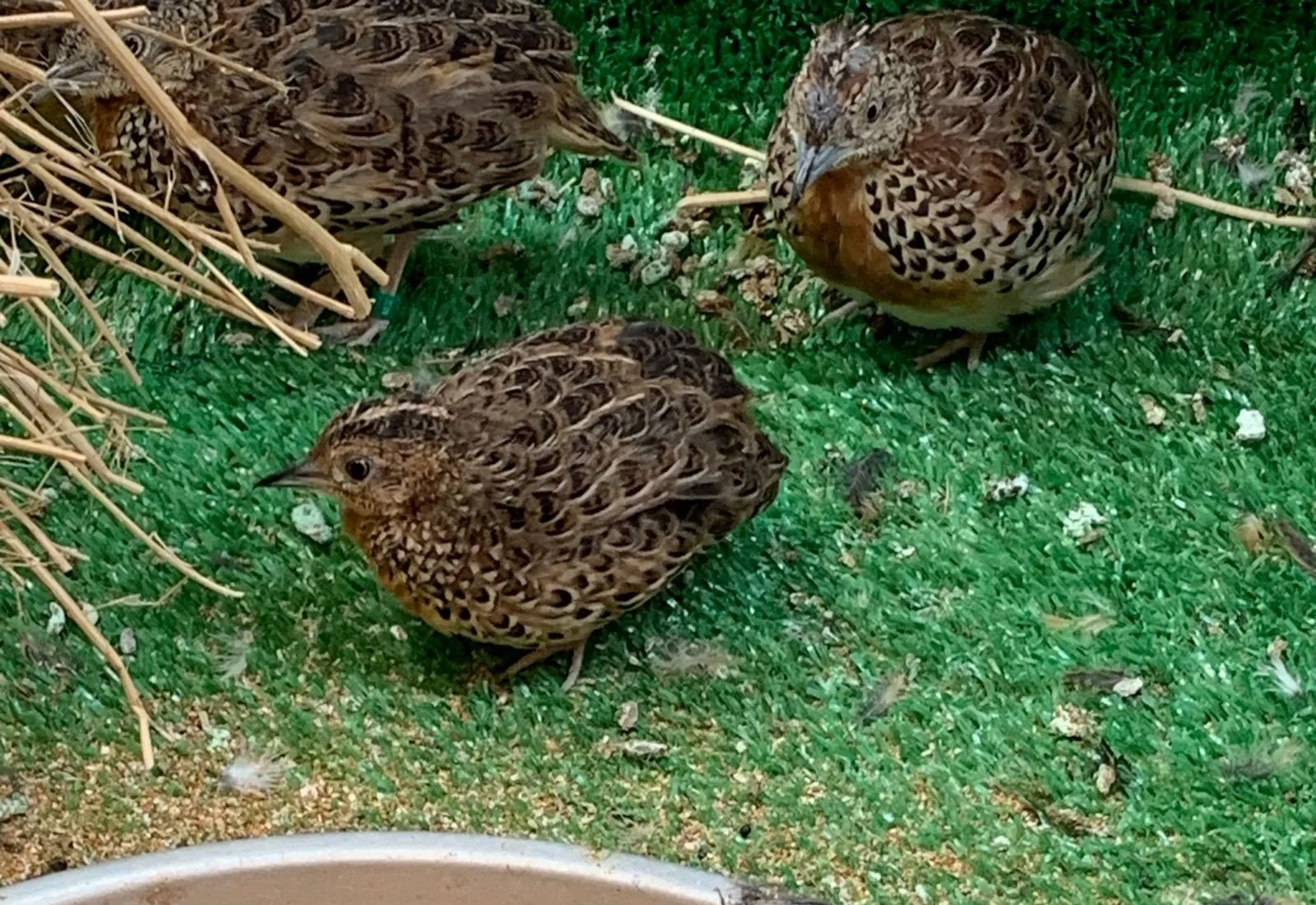
Under the cooperation framework involving the National Agency for Water and Forests of Morocco, the Ministry of Ecological Transition of Spain, and the Andalusian Government, a project aimed at conserving the Andalusian Turnix (_Turnix sylvaticus sylvaticus_) was initiated in 2026. Field surveys conducted by a team of Moroccan and Spanish experts have successfully established a population of individuals bred in captivity, which will serve as a breeding stock for this species. A portion of these individuals is being kept at the Ain Sebaa Zoo in Casablanca to bolster the population in the Oualidia region, while on September 9th, 18 individuals were exported to the Jerez Zoo at the Zoobotanical Biodiversity Conservation Center, where an ex situ breeding program will commence, as stated in a press release from the regional Ministry of Sustainability and Environment of the Junta de Andalucía.
The arrival of these birds represents a crucial step in a process that, if all planned phases are executed successfully, could ultimately lead to the reestablishment of the species in areas of Andalusia where it was historically present, while also contributing to strengthening its conservation in Morocco. The Andalusian Turnix, a subspecies of the Mediterranean basin, has disappeared from the Iberian Peninsula and most of the Mediterranean region, with its last known population residing in a small area along the Moroccan Atlantic coast, primarily associated with traditional agricultural landscapes. This situation underscores the importance of cooperation between the two countries for its conservation.
Building Bridges for Conservation
The arrival of the birds in Jerez is the culmination of scientific, technical, and institutional efforts by the involved administrations and organizations. It also highlights the importance of exchanges that have, in recent years, brought together specialists and conservation officials from both Morocco and Spain.
In November 2024, the IUCN Mediterranean Cooperation Center organized a visit to Andalusia for a Moroccan delegation led by representatives from the National Agency for Water and Forests, accompanied by specialists in ecology, protected area management, ecotourism, and veterinary sciences. Over several days, Moroccan and Spanish professionals shared their experiences regarding captive breeding, reintroduction of endangered species, and management of protected areas. The delegation visited key locations including the Jerez Zoo, the Doñana Biological Station-CSIC, the International Bird Migration Center of the Migres Foundation in Tarifa, and the Marine Environment Management Center of the Strait of Gibraltar in Algeciras.
These exchanges provided insights into experiences developed in Spain for species such as the bald ibis and Iberian lynx, while also exploring how this knowledge could contribute to new conservation programs in Morocco. Discussions included topics such as the breeding and reintroduction of the African serval, conservation of marine turtles, and management of threatened species and protected natural areas, with the Andalusian Turnix being a focal point of these discussions.
Less than two years later, 18 Turnix from Morocco are now housed in the same Jerez center that hosted part of these exchanges. "The arrival of these birds in Jerez underscores the importance of maintaining dialogue and cooperation spaces between institutions and specialists on both sides of the Mediterranean. At IUCN Med, we have been working for years to facilitate these exchanges and connect conservation experiences from Morocco and Spain. Witnessing this cooperation today contribute to a concrete possibility for the restoration of a species that has vanished from Spain is particularly significant," emphasized Maher Mahjoub, director of the IUCN Mediterranean Cooperation Center.
As reported by iucn.org.