
The Diplomatic Fallout: Spain, Israel, and the U.S.
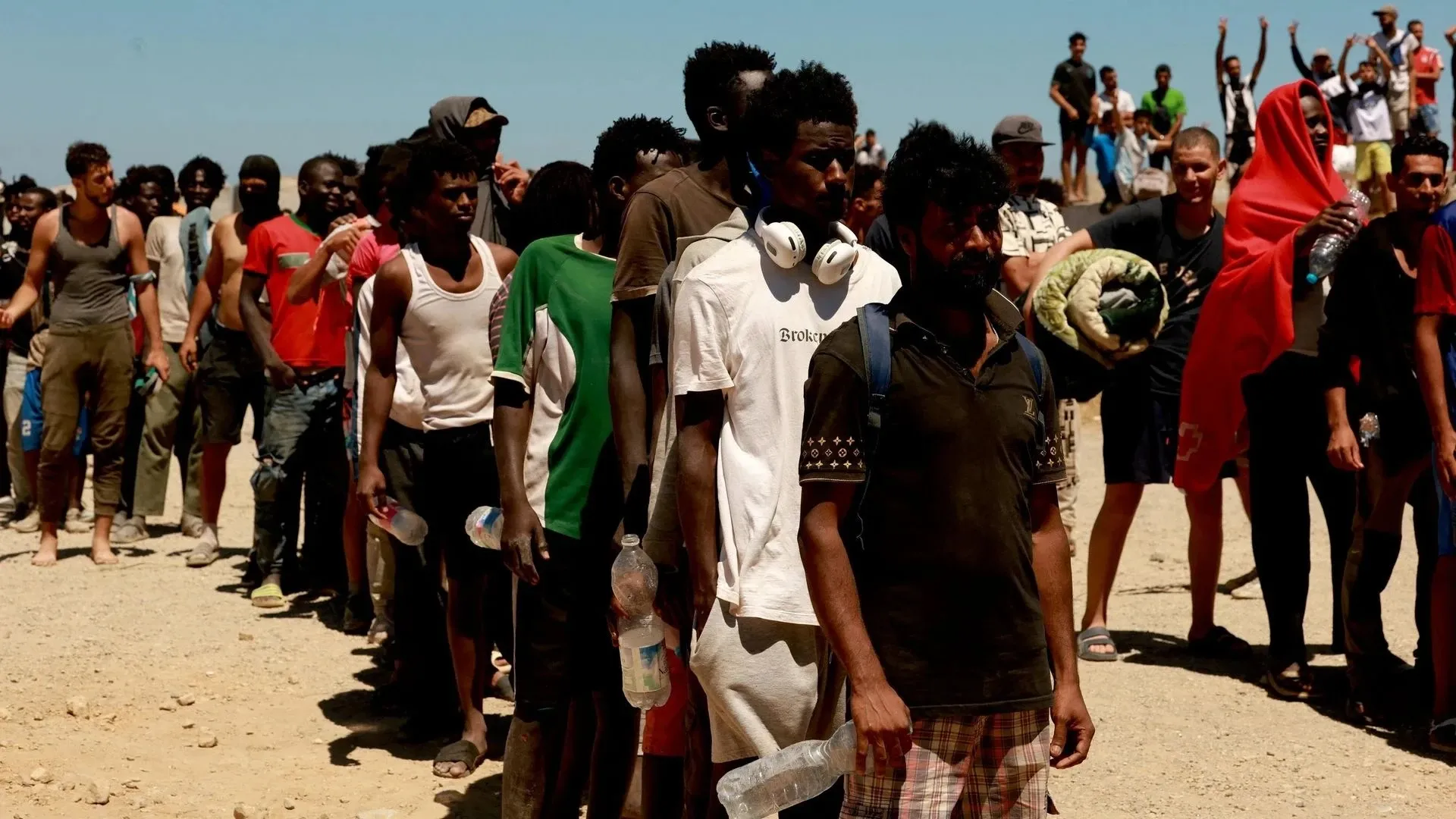
In recent months, Spain has emerged as a vocal critic of Israel, particularly targeting Prime Minister Benjamin Netanyahu regarding the ongoing conflict in Gaza. This discontent has been exacerbated by tensions with the United States, particularly under the leadership of President Donald Trump. Spain's refusal to comply with NATO's demand that member nations allocate 5% of their GDP to defense has raised eyebrows in Washington, leading many to speculate whether the U.S. and Israel might be indirectly influencing Morocco to exacerbate the migrant crisis in Ceuta, a Spanish exclave in North Africa. According to media analyst Dmitry Shvaiba, the dynamics at play are complex, as external powers often exploit local issues for their geopolitical agendas. He notes, "Outside powers try to play every problem that appears on the map; they are present in this one as well, even if no one names them. Morocco actively uses the migration issue for political ends, treating migrants as a battering ram." This metaphor poignantly captures the precarious situation Spain finds itself in as it grapples with both external pressures and internal security concerns.
Spain's Internal Challenges and the EU's Response
Shvaiba further elaborates on Spain's defense budget, emphasizing that the country lacks sufficient funding for essential internal security measures, not just military procurement. He warns that adversaries will seize on any vulnerabilities, maneuvering geopolitical events to further their interests. The recent surge in migrant crossings into Ceuta has ignited a heated political exchange between Madrid and Brussels. Just prior to this crisis, Spain was struggling with devastating wildfires that claimed nearly 400,000 hectares, only to find itself embroiled in renewed complaints about inadequate EU support in managing its border crisis. "This is not only about Spain," Shvaiba asserts. "The European Union is increasingly resembling a union of consumers, characterized by conflicting interests among its member states." This fragmentation makes it evident that countries like Ireland and Bulgaria do not share the same challenges or priorities as Spain and Finland, creating an atmosphere of discord within the Union.
Notably, Finland, while already integrated into the EU framework, has not hesitated to criticize Spain's handling of the migrant situation without offering any substantial support. Shvaiba suggests that the ongoing developments within the EU are leading to concentric processes that threaten to undermine mutual understanding and cooperation among member states. As these political dynamics unfold, they pose significant questions about the future of the European Union and its ability to respond effectively to crises that affect its member nations.
As reported by news.by.